Finnish Cuisine
Land of a Thousand Lakes
Finnish cuisine is shaped by harsh Nordic seasons, pristine nature, and a foraging tradition. Salmon, rye, berries, and reindeer (substituted here) define this minimalist food culture.
A Culinary Portrait
The heritage, flavors, and traditions of Finnish cuisine
Swedish rule from the medieval period through 1809 introduced wheat baking, cream sauces, and the smorgasbord tradition that influenced Finnish entertaining. Russian imperial rule from 1809 to 1917 brought piirakka pastries, borscht-like soups, and tea culture.
The twentieth century saw Finland develop a distinctly self-reliant food identity, with the hardships of wartime reinforcing the ethic of waste nothing. The modern Nordic food movement has brought international attention to Finnish ingredients like wild berries, reindeer, and ancient grains, while Finnish food innovation in areas like oat milk production has influenced global food trends. Rye flour (the grain that defines Finnish baking and identity), butter (essential and generously used), dill (the primary herb), lingonberry (served as a preserve with nearly everything), and fresh cream (enriching soups, sauces, and baking).
 Hernekeitto
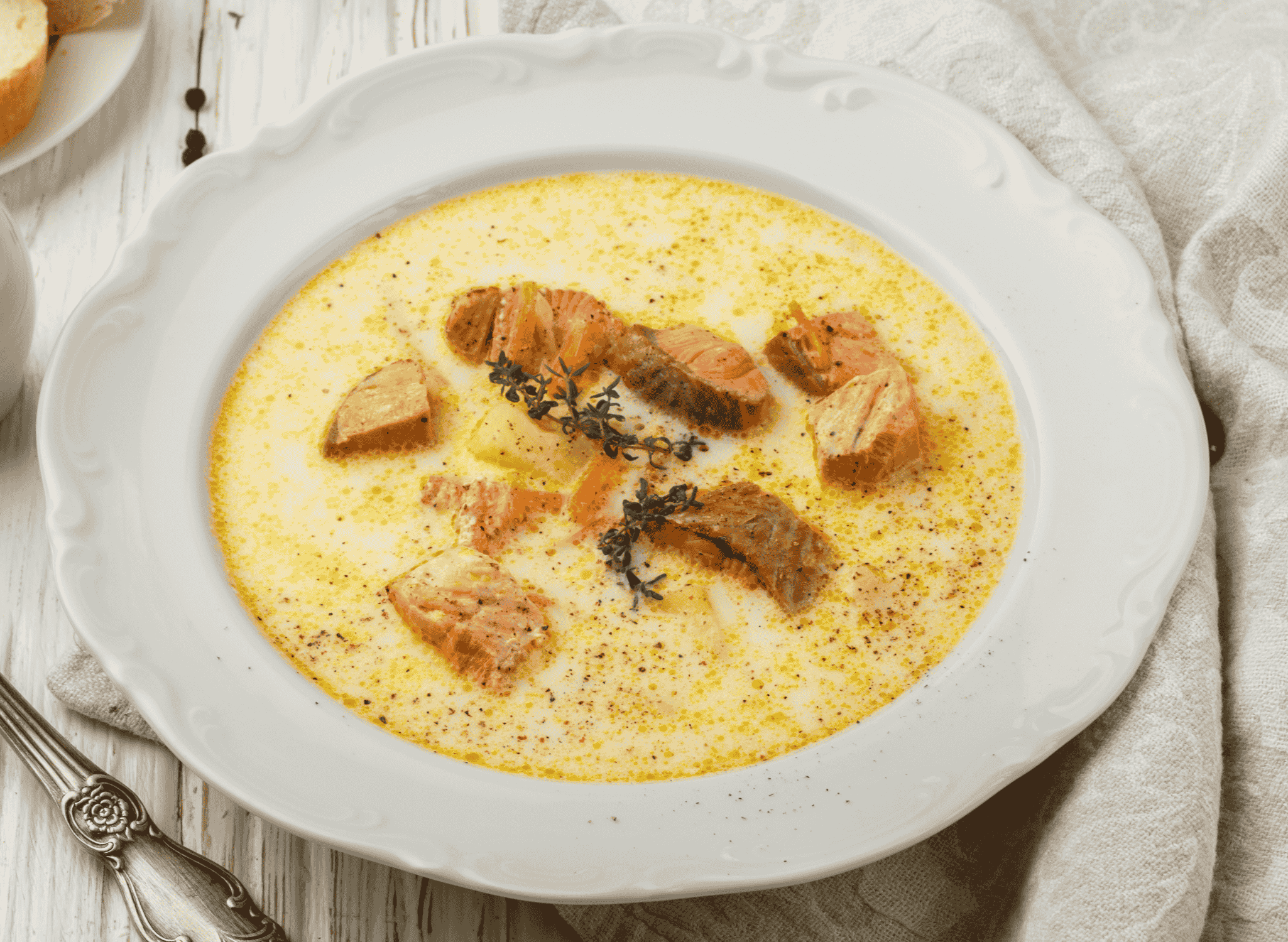 Kalakeitto
Key Flavors
Masters of the Kitchen
The chefs who shaped Finnish cuisine
Aki Wahlman
One of Finland's most recognized chefs, known for his TV cooking show appearanc…
Click to read moreEero Vottonen
Finnish chef who represented Finland in the prestigious Bocuse d'Or competition…
Click to read moreEssential Reading
The cookbooks that define Finnish cuisine
The Finnish Cookbook
Finland's best-selling cookbook in English, a comprehensive collection of recipes from appetizers to desserts that has …
Food from Finland
From award-winning food journalist Anna-Maija Tanttu, featuring traditional Finnish recipes with cultural context.
Explore All Dishes
2 authentic recipes from Finnish cuisine