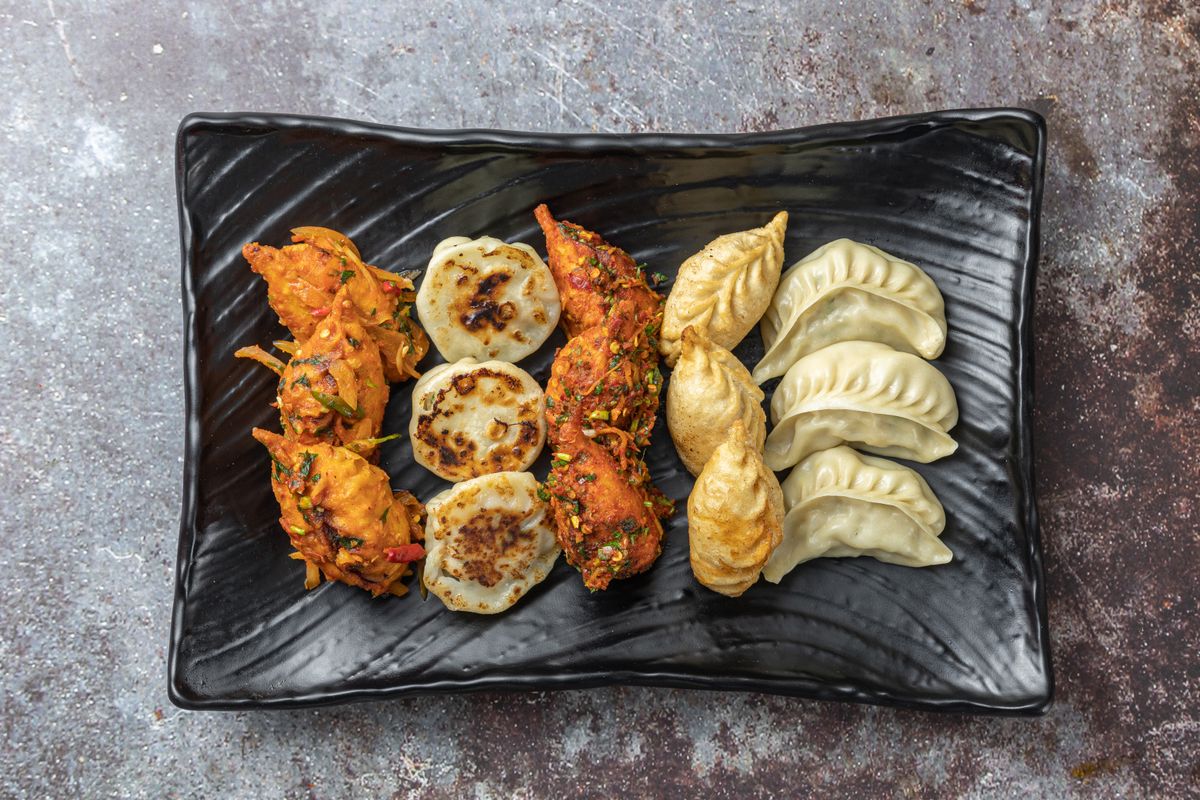
Filipino Cuisine
The Heart of Island Cooking
Filipino cuisine is comfort food at its most joyful — tangy, savory, and unafraid of bold vinegar-garlic-soy combinations. Shaped by Malay, Chinese, Spanish, and American influences, it's one of Asia's most underrated culinary treasures.
A Culinary Portrait
The heritage, flavors, and traditions of Filipino cuisine
Three centuries of Spanish colonial rule (1565-1898) left the deepest imprint, bringing tomatoes, garlic, onions, olive oil, and the tradition of slow-braised stews (guisado), as well as rich desserts like leche flan and ensaymada. American colonization (1898-1946) introduced canned goods, fast food culture, and a taste for sweet flavors that persists in Filipino cooking. Despite these layers, the indigenous Austronesian foundation -- vinegar preservation, coconut in all forms, fermented fish and shrimp pastes (bagoong and patis), and the sawsawan (dipping sauce) tradition -- remains the bedrock of Filipino food identity. Filipino meals are communal, joyful, and abundant.
A typical meal features rice at the center with multiple ulam (viands) -- a meat or fish dish, a vegetable dish, and a soup -- spread around it. The sawsawan tradition means every diner creates their own custom dipping sauce from a combination of soy sauce, vinegar, calamansi, chilies, and fish sauce. Kamayan feasts, where food is spread on banana leaves and eaten with bare hands, represent the most celebratory expression of Filipino dining.
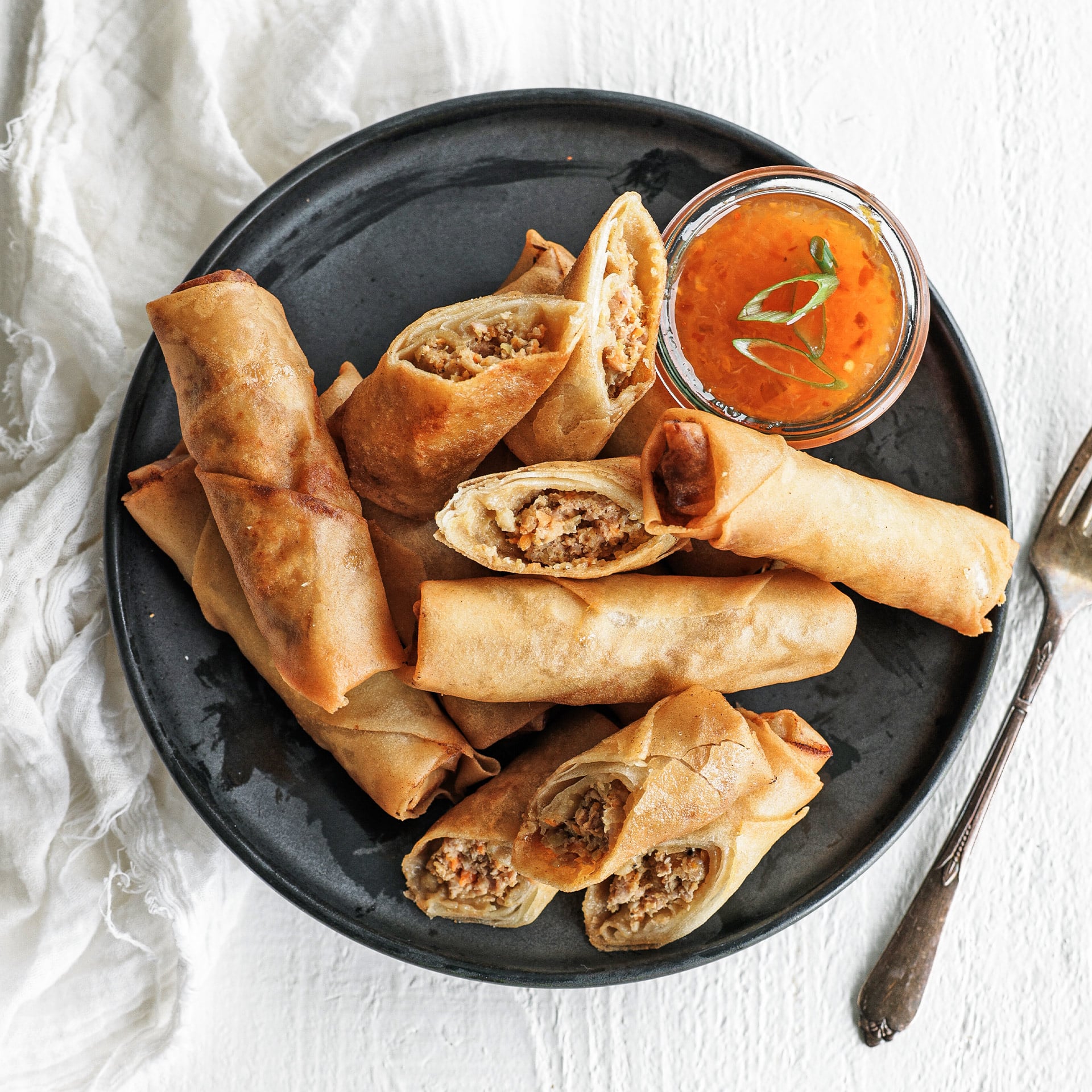 Lumpia
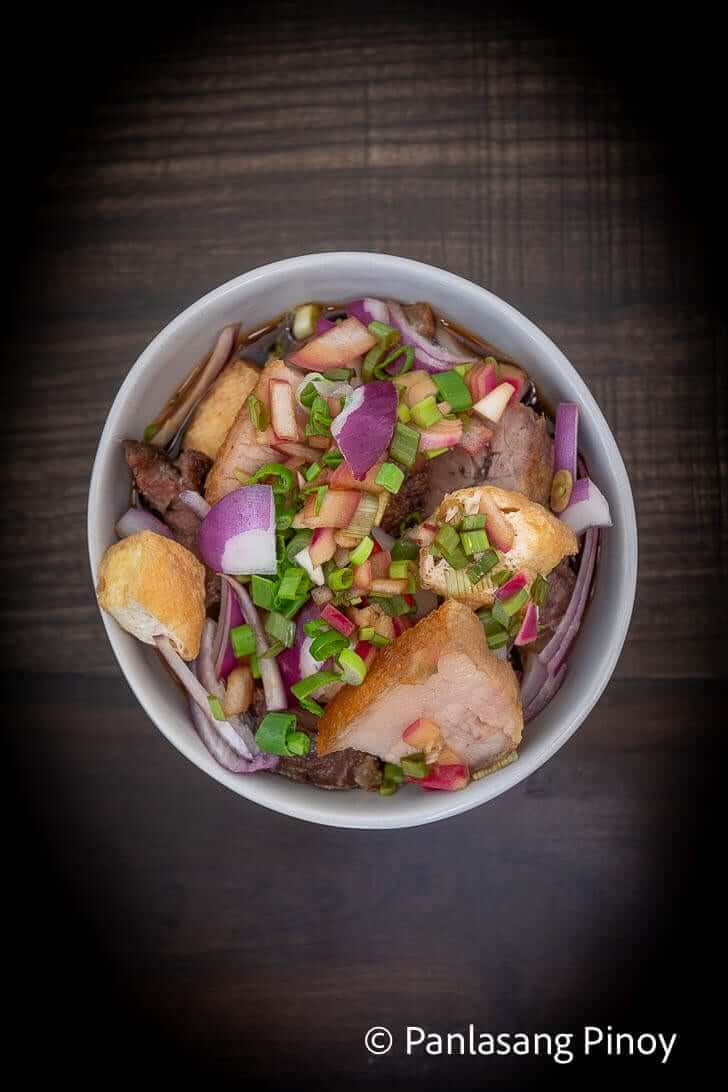 Tokwa't Manok
Key Flavors
Masters of the Kitchen
The chefs who shaped Filipino cuisine
Margarita Fores
Dubbed Asia's Best Female Chef in 2016, she is one of the Philippines' most acc…
Click to read moreNora Daza
Pioneering Filipino chef (1920-2013) whose cookbook Let's Cook With Nora, first…
Click to read moreEssential Reading
The cookbooks that define Filipino cuisine
Kulinarya: A Guidebook to Philippine Cuisine
Created by top Filipino chefs to inspire appreciation for Filipino cuisine at the highest level of excellence.
I Am a Filipino: And This Is How We Cook
100 Filipino recipes, both classic and modern, from two US-based restaurateurs who helped popularize Filipino food in A…
Explore All Dishes
2 authentic recipes from Filipino cuisine