
🇫🇯
Fijian Cuisine
Bula Spirit on a Plate
Oceania
›
Oceania
3
Dishes
5
Categories
Explore
Fijian cuisine blends Melanesian and Indian flavors, featuring fresh seafood, coconut, root vegetables, and curries brought by the large Indo-Fijian community.
A Culinary Portrait
The heritage, flavors, and traditions of Fijian cuisine
Fijian cuisine emerges from over three thousand years of Melanesian and Polynesian settlement across more than three hundred islands in the South Pacific, where volcanic soil, tropical climate, and abundant ocean resources created a cuisine of extraordinary freshness and natural abundance. The indigenous iTaukei people developed sophisticated agricultural systems cultivating taro, cassava, yams, breadfruit, and coconut, while the surrounding Pacific waters provided an endless supply of fish, shellfish, and sea vegetables. The earth oven (lovo), where food is cooked in a pit lined with hot stones and wrapped in banana leaves, is the foundational cooking technique of Fijian cuisine.
British colonial rule from 1874 to 1970 brought significant Indian immigration to work sugar plantations, creating a unique Indo-Fijian culinary tradition that now represents roughly a third of the national population. Indian curry, roti, and dal have become integral to Fiji's food landscape, sitting alongside traditional iTaukei preparations.
Chinese merchants introduced stir-frying and noodle dishes, while European colonists brought bread baking, tinned goods, and new agricultural crops. The result is one of the Pacific's most diverse food cultures, where a lovo feast, an Indian curry, and a Chinese chop suey might appear on the same family table. Coconut (cream, milk, and flesh used in virtually every dish), taro (the starchy root that anchors traditional meals), cassava (boiled, baked, or made into puddings), lolo (coconut cream, the primary cooking fat and sauce base), and chili (fresh and dried, used generously in both iTaukei and Indo-Fijian cooking).
British colonial rule from 1874 to 1970 brought significant Indian immigration to work sugar plantations, creating a unique Indo-Fijian culinary tradition that now represents roughly a third of the national population. Indian curry, roti, and dal have become integral to Fiji's food landscape, sitting alongside traditional iTaukei preparations.
Chinese merchants introduced stir-frying and noodle dishes, while European colonists brought bread baking, tinned goods, and new agricultural crops. The result is one of the Pacific's most diverse food cultures, where a lovo feast, an Indian curry, and a Chinese chop suey might appear on the same family table. Coconut (cream, milk, and flesh used in virtually every dish), taro (the starchy root that anchors traditional meals), cassava (boiled, baked, or made into puddings), lolo (coconut cream, the primary cooking fat and sauce base), and chili (fresh and dried, used generously in both iTaukei and Indo-Fijian cooking).
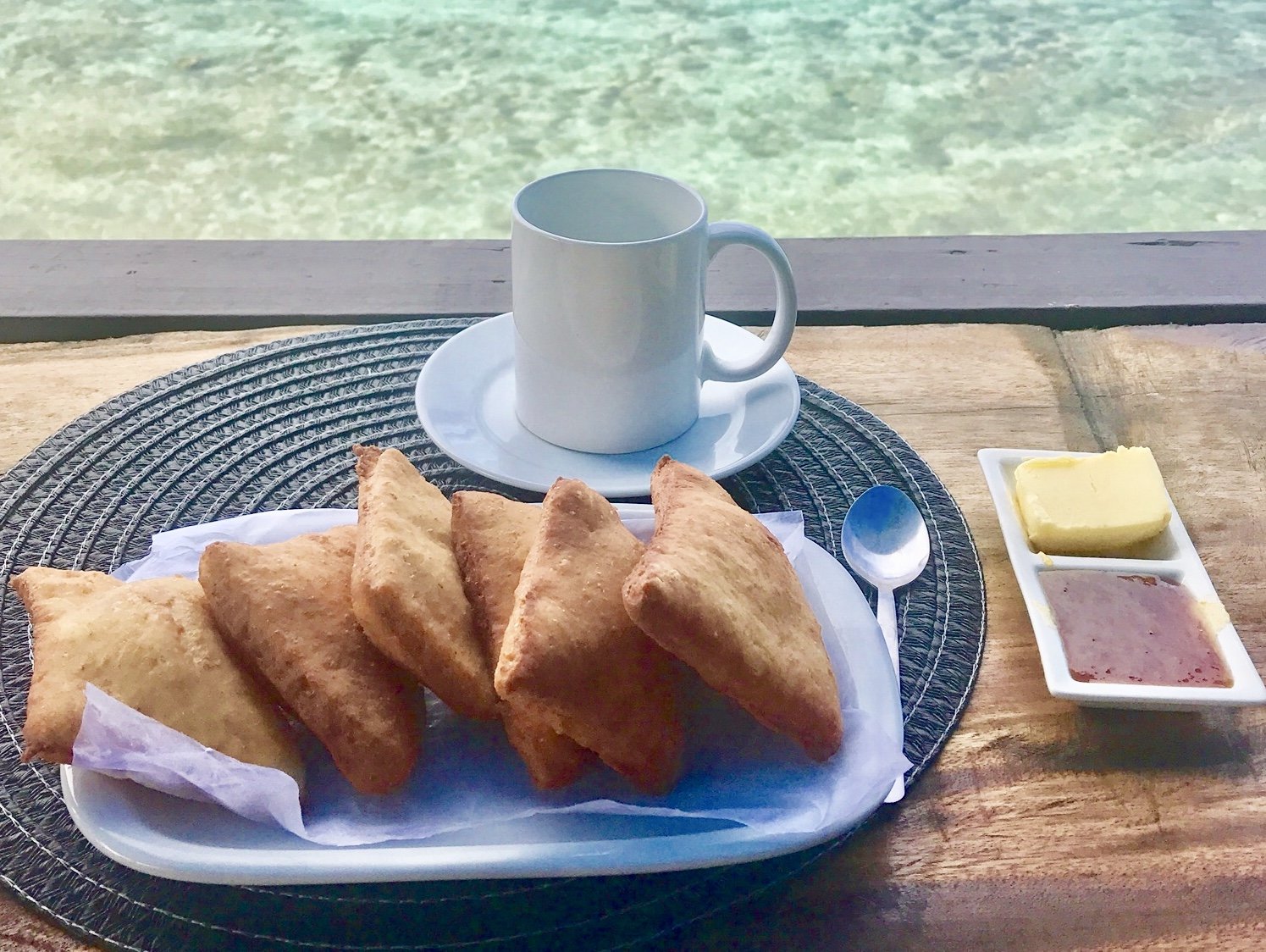 Babakau
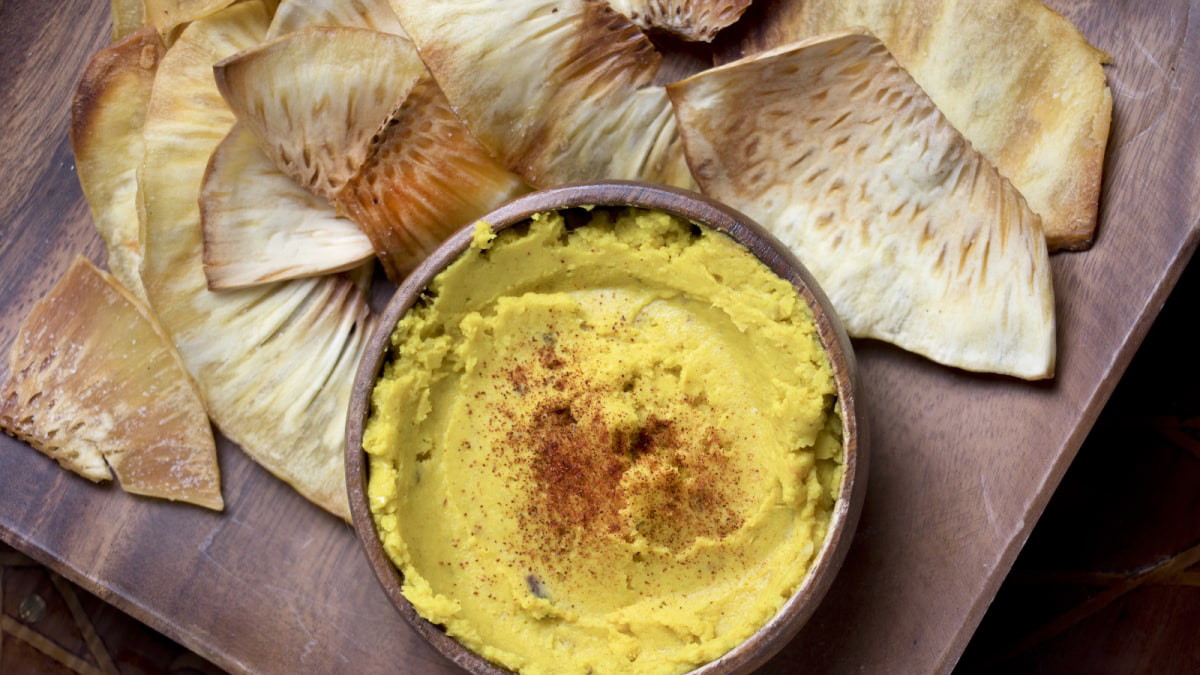 Breadfruit Chips
 Lolo Buns
Key Flavors
fried
street-food
snack
fried
bread
coconut
Masters of the Kitchen
The chefs who shaped Fijian cuisine
Colin Chung
Chef with over 40 years of experience in the Pacific Islands who authored the K…
Click to read moreEssential Reading
The cookbooks that define Fijian cuisine
Kana Vinaka
Kana Vinaka
A comprehensive Fijian cookbook whose title means 'eat well' in Fijian, featuring traditional recipes including lovo, k…
The Little Fijian Cookbook: A Taste of …
The Little Fijian Cookbook: A Taste of the Friendly Islands
A collection of traditional Fijian recipes celebrating the cuisine of the Pacific islands.
Explore All Dishes
3 authentic recipes from Fijian cuisine
Difficulty:
Time:
Sort:
Showing 3 of 3 dishes