
🇪🇪
Estonian Cuisine
Digital Viking Kitchen
Europe
›
Europe
2
Dishes
5
Categories
Explore
Estonian cuisine is Nordic-influenced Baltic cooking, with black bread, herring, and dairy forming the foundation. Clean, simple flavors reflect the country's pristine natural environment.
A Culinary Portrait
The heritage, flavors, and traditions of Estonian cuisine
Estonian cuisine is shaped by the Baltic climate, where long, dark winters and brief but intense summers dictated a food culture built on preservation, fermentation, and the hearty sustenance needed to survive in northern Europe. The Finno-Ugric peoples who settled Estonia thousands of years ago developed a diet centered on rye bread, barley porridge, salted fish, forest mushrooms, and dairy products. The dense rye sourdough bread that remains Estonia's most important food is more than sustenance; it is a cultural symbol that appears in proverbs, folk songs, and national identity.
German Baltic barons who ruled Estonia for centuries introduced wheat baking, sausage-making traditions, and Continental European cooking techniques. Swedish rule in the sixteenth and seventeenth centuries brought preserved fish preparations and baking traditions.
Russian influence arrived with imperial rule and deepened during the Soviet period, introducing borscht, pelmeni, and the zakuski tradition of elaborate appetizer spreads. Despite centuries of foreign rule, Estonian food identity survived through the farmstead kitchen, where grandmothers maintained ancient preservation techniques and seasonal rhythms. Rye flour (the foundation of Estonian bread and baking), sour cream (essential to sauces, soups, and dressings), dill (the dominant herb), barley (for porridges and soups), and smoked fish (herring, sprat, and Baltic salmon).
German Baltic barons who ruled Estonia for centuries introduced wheat baking, sausage-making traditions, and Continental European cooking techniques. Swedish rule in the sixteenth and seventeenth centuries brought preserved fish preparations and baking traditions.
Russian influence arrived with imperial rule and deepened during the Soviet period, introducing borscht, pelmeni, and the zakuski tradition of elaborate appetizer spreads. Despite centuries of foreign rule, Estonian food identity survived through the farmstead kitchen, where grandmothers maintained ancient preservation techniques and seasonal rhythms. Rye flour (the foundation of Estonian bread and baking), sour cream (essential to sauces, soups, and dressings), dill (the dominant herb), barley (for porridges and soups), and smoked fish (herring, sprat, and Baltic salmon).
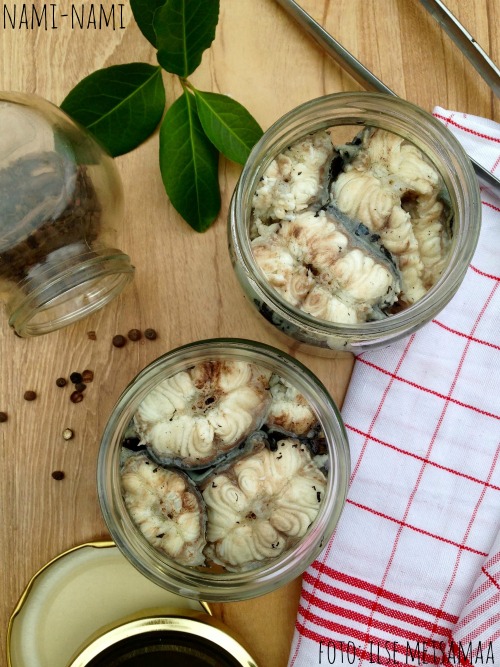 Marineeritud Angerjas
Key Flavors
open-faced
seafood
seafood
marinated
Masters of the Kitchen
The chefs who shaped Estonian cuisine
Dimitri Demjanov
Estonian chef known for modernizing traditional Estonian cuisine at leading Tal…
Click to read moreEssential Reading
The cookbooks that define Estonian cuisine
Estonian Tastes and Traditions
Estonian Tastes and Traditions
A comprehensive guide to Estonian cuisine featuring recipes for traditional dishes alongside stories of Estonian food c…
Explore All Dishes
2 authentic recipes from Estonian cuisine
Difficulty:
Time:
Sort:
Showing 2 of 2 dishes