🇪🇷
Eritrean Cuisine
Red Sea Spice Coast
Africa
›
East Africa
5
Dishes
6
Categories
Explore
Eritrean cuisine shares roots with Ethiopian cooking but with its own distinct character. Injera, rich stews, and fresh Red Sea seafood define this Horn of Africa nation.
A Culinary Portrait
The heritage, flavors, and traditions of Eritrean cuisine
Eritrean cuisine is one of the world's great undiscovered culinary traditions, rooted in the ancient highlands and coastal plains of the Horn of Africa where agriculture and pastoralism have coexisted for millennia. The highland Tigrinya and lowland Tigre peoples developed distinct cooking traditions united by a shared love of spiced stews, fermented flatbread, and communal eating. Teff, the tiny grain native to the Ethiopian-Eritrean highlands, is the foundation of injera, the sourdough flatbread that serves as both plate and utensil. Berbere, a complex spice blend of chili, fenugreek, coriander, cardamom, and dozens of other ingredients, is the defining flavor of the cuisine.
Eritrea's position on the Red Sea coast made it a crossroads of African, Arab, and Mediterranean influences for thousands of years. The ancient port of Adulis connected the Aksumite Empire to trade routes stretching from Rome to India. Ottoman Turkish rule from the sixteenth century introduced grilled meat techniques and coffee preparation.
Italian colonization from 1890 to 1941 left a lasting culinary imprint, making Eritrea one of the few African countries where excellent espresso, pasta, and pizza coexist alongside traditional cuisine. This Italian-Eritrean fusion is a genuine and unique culinary tradition, not mere colonial remnant. Berbere (the foundational spice blend), niter kibbeh (spiced clarified butter infused with garlic, ginger, and fenugreek), teff flour (for injera), dried chilies (for berbere and stews), and tamarind (used in lowland cooking).
Eritrea's position on the Red Sea coast made it a crossroads of African, Arab, and Mediterranean influences for thousands of years. The ancient port of Adulis connected the Aksumite Empire to trade routes stretching from Rome to India. Ottoman Turkish rule from the sixteenth century introduced grilled meat techniques and coffee preparation.
Italian colonization from 1890 to 1941 left a lasting culinary imprint, making Eritrea one of the few African countries where excellent espresso, pasta, and pizza coexist alongside traditional cuisine. This Italian-Eritrean fusion is a genuine and unique culinary tradition, not mere colonial remnant. Berbere (the foundational spice blend), niter kibbeh (spiced clarified butter infused with garlic, ginger, and fenugreek), teff flour (for injera), dried chilies (for berbere and stews), and tamarind (used in lowland cooking).
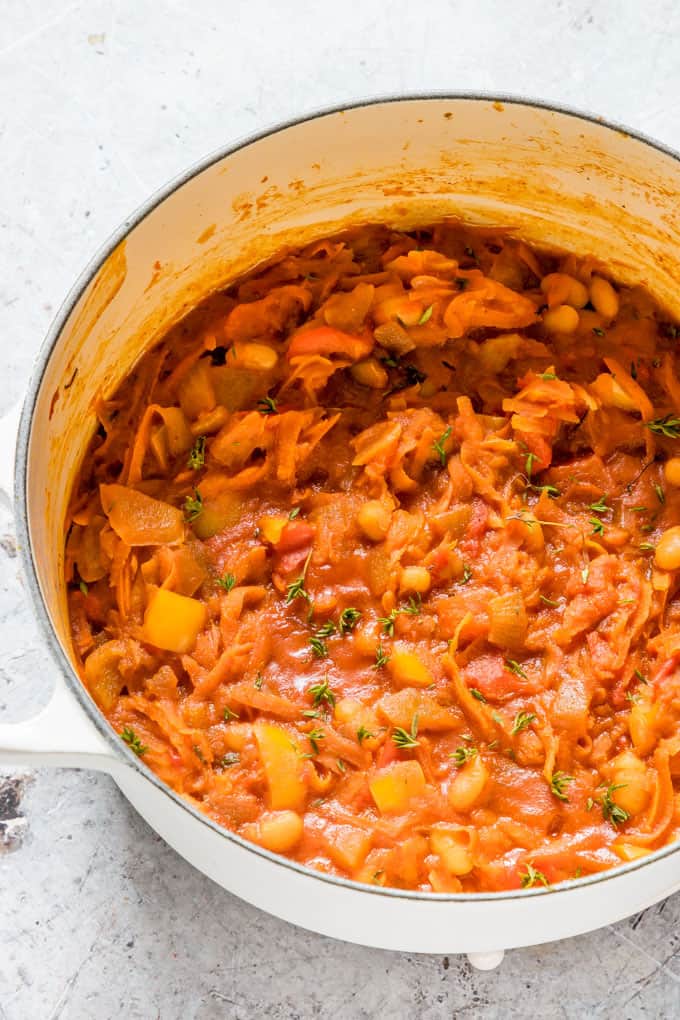
 Hamli
Hamli
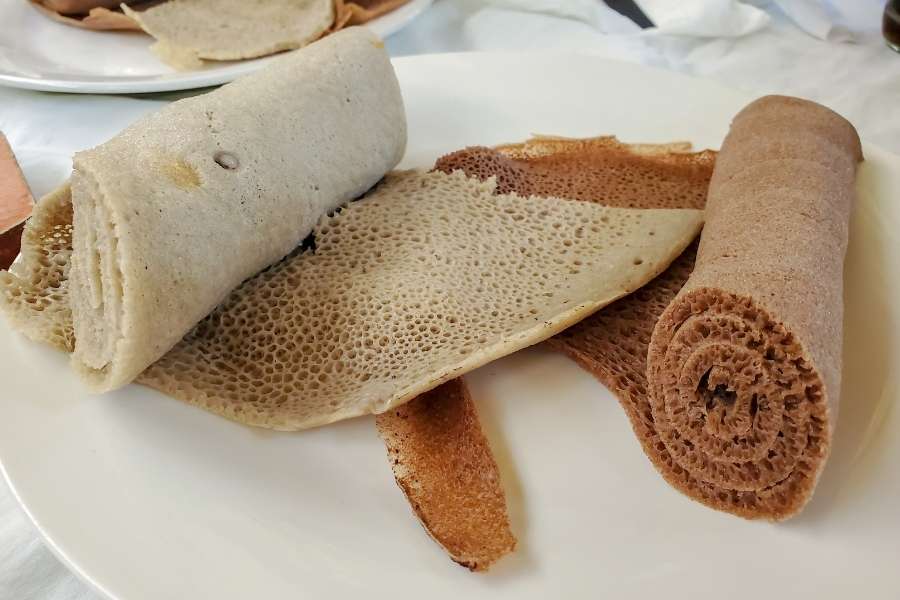 Injera
 Salata
Key Flavors
vegetable
side
bread
fermented
salad
fresh
sauce
condiment
condiment
butter
Masters of the Kitchen
The chefs who shaped Eritrean cuisine
Daniel Mehari
Eritrean chef based in the diaspora who has promoted Eritrean cuisine internati…
Click to read moreEssential Reading
The cookbooks that define Eritrean cuisine
The Taste of Eritrea
The Taste of Eritrea
A collection of traditional Eritrean recipes featuring injera, tsebhi, and other staple dishes from the Horn of Africa.
Explore All Dishes
5 authentic recipes from Eritrean cuisine
Difficulty:
Time:
Sort:
Showing 5 of 5 dishes
Easy
📜 Story
Hamli
Sautéed Spinach and Greens
Everyday accompaniment
Hard
📜 Story
Injera
Fermented Teff Flatbread
Every meal
Easy
📜 Story
Salata
Eritrean Fresh Salad
Accompaniment to every meal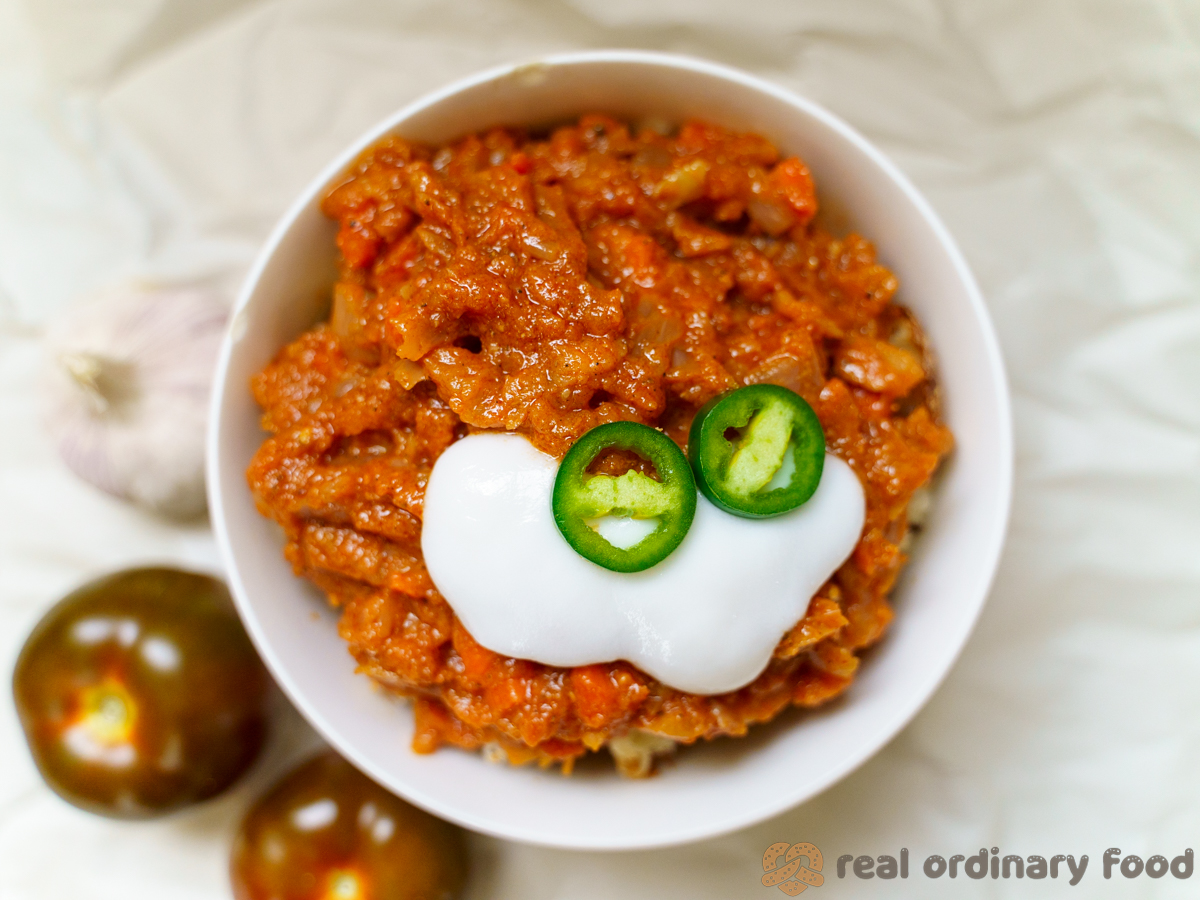 Easy
📜 Story
Easy
📜 Story
Silsi
Tomato and Chili Sauce
Accompaniment to every meal Easy
📜 Story
Easy
📜 Story
Tesmi
Eritrean Spiced Clarified Butter
Cooking essential, made in batches