🇩🇴
Dominican Cuisine
Island of Rhythm and Flavor
Americas
›
Caribbean
2
Dishes
6
Categories
Explore
Dominican cuisine is bold Caribbean cooking built around rice, beans, plantains, and vibrant stews. La bandera (the flag) and mangu define this rhythmic island's food soul.
A Culinary Portrait
The heritage, flavors, and traditions of Dominican cuisine
Dominican cuisine is the vibrant product of Taino indigenous, Spanish colonial, and West African culinary traditions blended over five centuries on the island of Hispaniola. The Taino people cultivated cassava, sweet potatoes, corn, and tropical fruits, establishing the starchy root vegetable foundation that endures today. Spanish colonizers arrived in 1492, bringing rice, cattle, citrus, and Mediterranean cooking techniques. The forced importation of enslaved Africans introduced okra, plantains as a dietary staple, pigeon peas, and one-pot cooking methods that became central to Dominican cuisine.
Unlike neighboring Cuba and Puerto Rico, the Dominican Republic experienced periods of Haitian rule that added Creole influences to the culinary landscape. Arab immigrants, particularly from Lebanon and Syria, brought kibbe, stuffed grape leaves, and flatbreads that Dominicans adopted and adapted. Chinese immigrants contributed stir-frying techniques and fried rice, while American influence in the twentieth century introduced fast food alongside industrial food production.
Despite all these layers, Dominican cuisine maintains a cohesive identity built on rice, beans, meat, and plantains, seasoned with sofrito (a base of garlic, onions, peppers, cilantro, and oregano) and slow-cooked with patience. Sofrito (the aromatic base of garlic, peppers, cilantro, and oregano), sazon (a seasoning blend with annatto, cumin, and garlic), bitter orange (naranja agria, used for marinating meats), plantains (green and ripe, prepared in dozens of ways), and recao (culantro, a pungent herb essential to Dominican flavor).
Unlike neighboring Cuba and Puerto Rico, the Dominican Republic experienced periods of Haitian rule that added Creole influences to the culinary landscape. Arab immigrants, particularly from Lebanon and Syria, brought kibbe, stuffed grape leaves, and flatbreads that Dominicans adopted and adapted. Chinese immigrants contributed stir-frying techniques and fried rice, while American influence in the twentieth century introduced fast food alongside industrial food production.
Despite all these layers, Dominican cuisine maintains a cohesive identity built on rice, beans, meat, and plantains, seasoned with sofrito (a base of garlic, onions, peppers, cilantro, and oregano) and slow-cooked with patience. Sofrito (the aromatic base of garlic, peppers, cilantro, and oregano), sazon (a seasoning blend with annatto, cumin, and garlic), bitter orange (naranja agria, used for marinating meats), plantains (green and ripe, prepared in dozens of ways), and recao (culantro, a pungent herb essential to Dominican flavor).
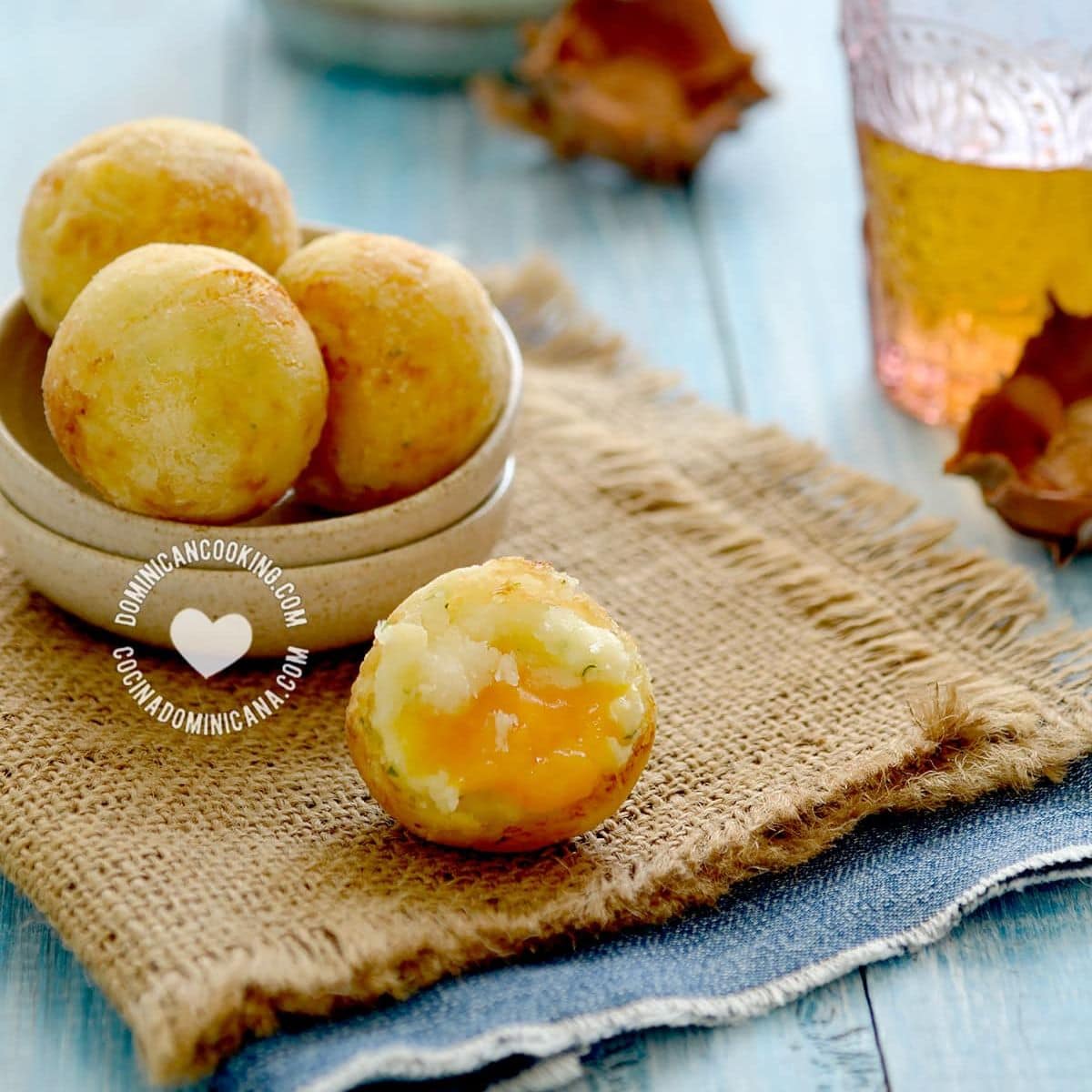 Bollitos de Yuca
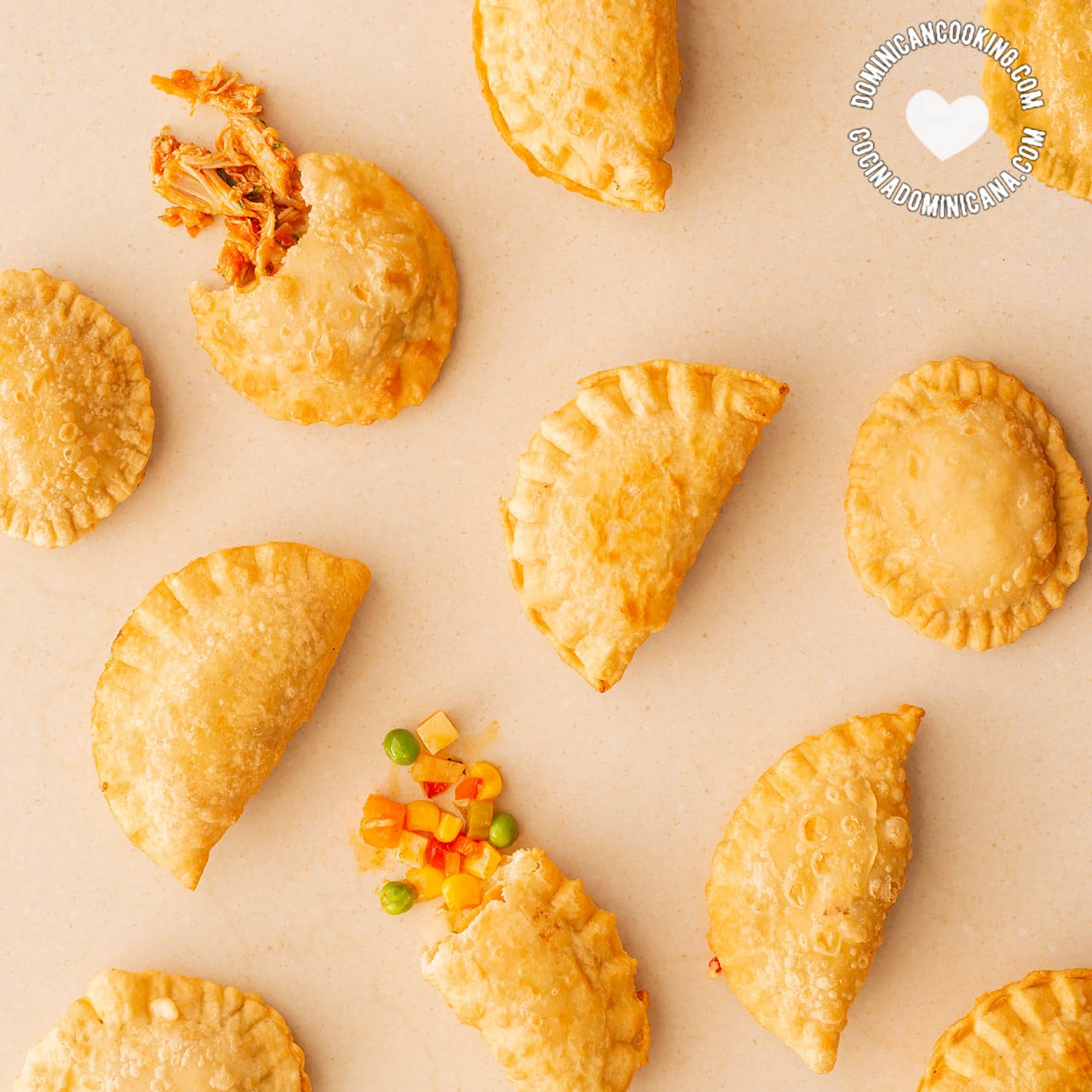 Pastelitos
Key Flavors
fried
yuca
street food
fried
Masters of the Kitchen
The chefs who shaped Dominican cuisine
Tita De Cana
Dominican chef and culinary educator who has championed traditional Dominican c…
Click to read moreEssential Reading
The cookbooks that define Dominican cuisine
Aunt Clara's Dominican Cookbook
Aunt Clara's Dominican Cookbook
A beloved collection of authentic Dominican recipes that has become the go-to English-language reference for Dominican …
The Dominican Kitchen
The Dominican Kitchen
A modern take on Dominican cuisine with recipes for traditional favorites and contemporary interpretations.
Explore All Dishes
2 authentic recipes from Dominican cuisine
Difficulty:
Time:
Sort:
Showing 2 of 2 dishes