🇩🇰
Danish Cuisine
Hygge on a Plate
Europe
›
Europe
3
Dishes
4
Categories
Explore
Danish cuisine has been revolutionized by New Nordic cooking while cherishing traditional smorebrod, pastries, and cozy comfort foods that embody the spirit of hygge.
A Culinary Portrait
The heritage, flavors, and traditions of Danish cuisine
Danish cuisine emerges from a thousand years of Nordic survival cooking, shaped by harsh winters, short growing seasons, and the cold waters of the North Sea and Baltic. The Vikings established Denmark's foundational food culture, relying on preserved fish, smoked and salted meats, fermented dairy, and hardy grains like rye and barley. Denmark's flat, fertile landscape proved ideal for dairy farming and grain cultivation, creating a cuisine anchored in butter, cream, dense rye bread, and root vegetables that could endure long storage.
Medieval trade through the Hanseatic League connected Denmark to spice routes and Continental European cooking techniques, introducing refined baking and brewing traditions. The Renaissance court of Christian IV embraced French culinary influence, which filtered gradually into bourgeois and eventually peasant cooking.
The nineteenth-century cooperative movement transformed Danish agriculture, making butter and cheese production a national enterprise of extraordinary quality. The twentieth century brought the open-faced sandwich tradition to its zenith, while the twenty-first century New Nordic movement, led by Rene Redzepi at Noma, redefined Danish cuisine for the world by championing foraging, fermentation, and hyper-local ingredients. Rye bread (rugbrod, the dense, dark sourdough that anchors the Danish table), dill (the herb most associated with Danish cooking), remoulade (a tangy condiment of mayonnaise, pickles, and capers), smoked fish (herring, salmon, and mackerel), and butter (Danish butter is renowned for its quality and richness).
Medieval trade through the Hanseatic League connected Denmark to spice routes and Continental European cooking techniques, introducing refined baking and brewing traditions. The Renaissance court of Christian IV embraced French culinary influence, which filtered gradually into bourgeois and eventually peasant cooking.
The nineteenth-century cooperative movement transformed Danish agriculture, making butter and cheese production a national enterprise of extraordinary quality. The twentieth century brought the open-faced sandwich tradition to its zenith, while the twenty-first century New Nordic movement, led by Rene Redzepi at Noma, redefined Danish cuisine for the world by championing foraging, fermentation, and hyper-local ingredients. Rye bread (rugbrod, the dense, dark sourdough that anchors the Danish table), dill (the herb most associated with Danish cooking), remoulade (a tangy condiment of mayonnaise, pickles, and capers), smoked fish (herring, salmon, and mackerel), and butter (Danish butter is renowned for its quality and richness).
 Dansk Gravlaks
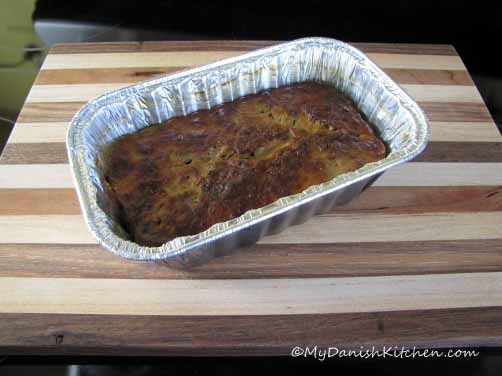 Leverpostej (Turkey)
 Stenbiderrogn på Rugbrød
Key Flavors
cured
salmon
pâté
Christmas
Easter
seafood
Masters of the Kitchen
The chefs who shaped Danish cuisine
Rene Redzepi
Co-founder of Noma in Copenhagen, ranked five times as the Best Restaurant in t…
Click to read moreClaus Meyer
Known as the godfather of New Nordic cuisine and a household name in Denmark. H…
Click to read moreEssential Reading
The cookbooks that define Danish cuisine
The Noma Guide to Fermentation
The Noma Guide to Fermentation
A groundbreaking guide to fermentation from the world's most influential restaurant, featuring techniques that defined …
Cooking Danish: A Taste of Denmark
Cooking Danish: A Taste of Denmark
A collection of classic Danish recipes from a Danish-born executive chef.
Explore All Dishes
3 authentic recipes from Danish cuisine
Difficulty:
Time:
Sort:
Showing 3 of 3 dishes