🇨🇿
Czech Cuisine
Bohemian Feast
Europe
›
Europe
6
Dishes
5
Categories
Explore
Czech cuisine is hearty Central European comfort food built around dumplings, roasted meats, and beer. Bohemian culinary tradition rivals Germany for sheer satisfaction.
A Culinary Portrait
The heritage, flavors, and traditions of Czech cuisine
Czech cuisine is a hearty, Central European tradition forged in the landlocked heart of Bohemia and Moravia, where cold winters and fertile river valleys shaped a food culture built on sustaining warmth and deep flavor. Slavic tribes who settled the region over a thousand years ago established the grain-and-root-vegetable foundation that persists today, cultivating wheat, barley, rye, potatoes, and cabbage as dietary staples. Medieval Bohemia, enriched by silver mining and trade along the Amber Road, developed a courtly cuisine that absorbed Germanic, Austrian, and Hungarian influences while retaining a distinctly Czech character rooted in cream sauces, dumplings, and slow-braised meats.
The Habsburg Empire bound Czech lands to Vienna for centuries, and Austrian culinary refinement left its mark on pastry-making, schnitzel traditions, and cafe culture. Yet Czech cooks always maintained their own identity through dishes like svickova, knedliky (dumplings), and bramboraky (potato pancakes).
The Renaissance and Baroque periods saw Prague emerge as a cosmopolitan capital where spices from the East, brewing innovations, and refined baking traditions flourished side by side. Czech beer culture, among the oldest and most sophisticated in the world, profoundly shapes the cuisine, as many dishes are designed to accompany lager. Caraway seeds (the defining Czech spice), marjoram (used in soups, sauces, and meat preparations), paprika (sweet and smoked varieties), sour cream (enriching sauces and dumplings), and mustard (sharp and grainy, served alongside roasted meats).
The Habsburg Empire bound Czech lands to Vienna for centuries, and Austrian culinary refinement left its mark on pastry-making, schnitzel traditions, and cafe culture. Yet Czech cooks always maintained their own identity through dishes like svickova, knedliky (dumplings), and bramboraky (potato pancakes).
The Renaissance and Baroque periods saw Prague emerge as a cosmopolitan capital where spices from the East, brewing innovations, and refined baking traditions flourished side by side. Czech beer culture, among the oldest and most sophisticated in the world, profoundly shapes the cuisine, as many dishes are designed to accompany lager. Caraway seeds (the defining Czech spice), marjoram (used in soups, sauces, and meat preparations), paprika (sweet and smoked varieties), sour cream (enriching sauces and dumplings), and mustard (sharp and grainy, served alongside roasted meats).
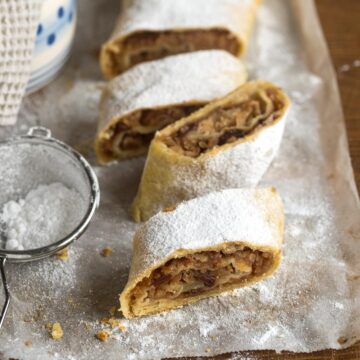 Jablkovy Zavin
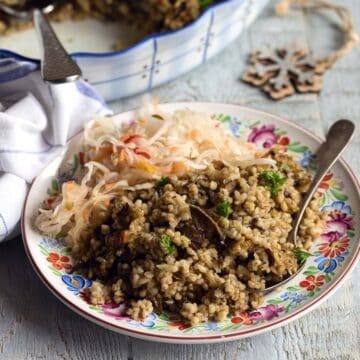 Medovnik
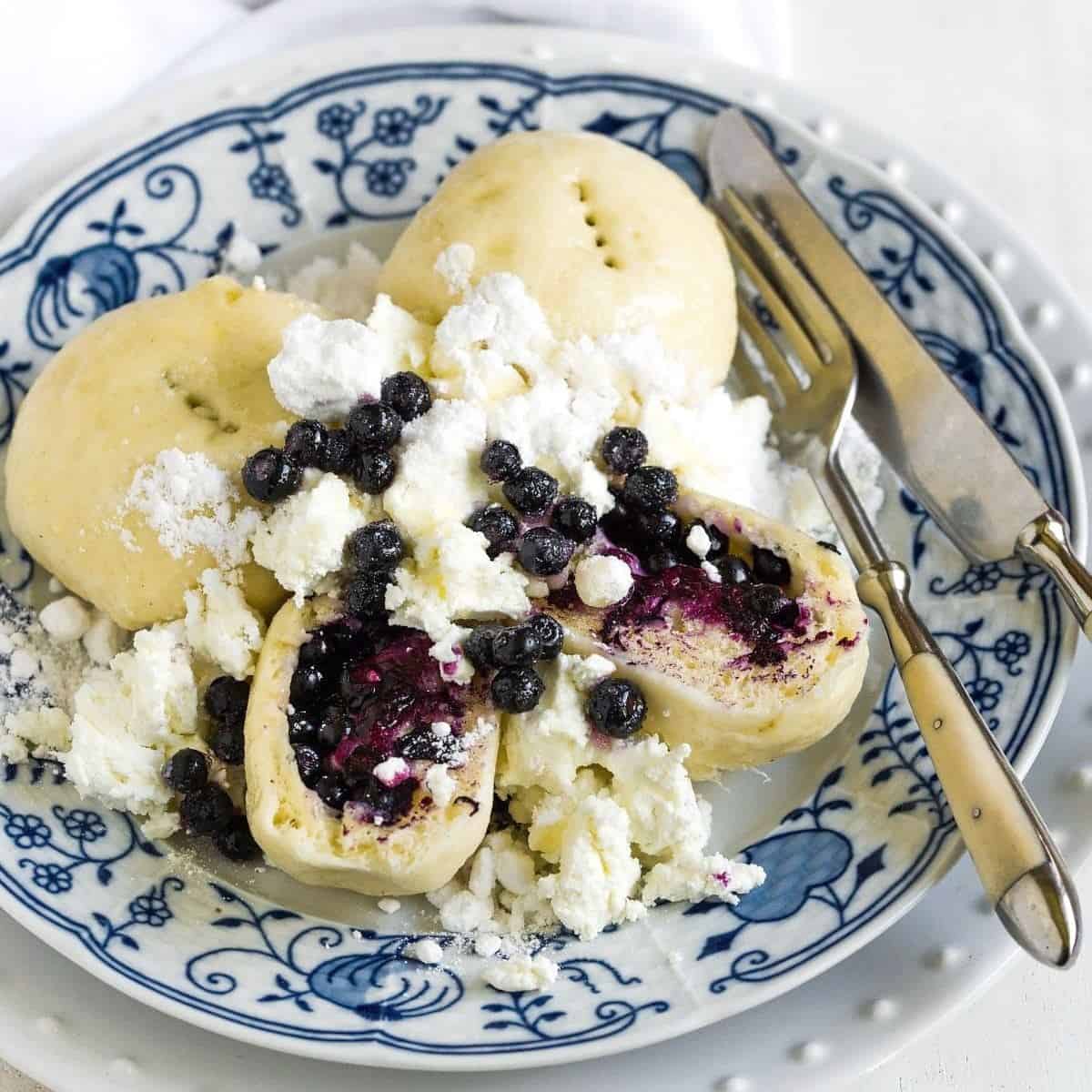 Ovocne Knedliky
Key Flavors
dessert
pastry
dessert
cake
dessert
dumplings
dessert
crepes
street-food
sweet
dessert
fried
Masters of the Kitchen
The chefs who shaped Czech cuisine
Zdenek Pohlreich
The Czech Republic's most famous chef and TV personality. He has hosted multipl…
Click to read moreEssential Reading
The cookbooks that define Czech cuisine
The Czech Cookbook
The Czech Cookbook
A classic collection of Czech recipes that has remained a reference for traditional Bohemian and Moravian cooking for d…
Explore All Dishes
6 authentic recipes from Czech cuisine
Difficulty:
Time:
Sort:
Showing 6 of 6 dishes
Medium
📜 Story
Jablkovy Zavin
Czech Apple Strudel
Afternoon coffee
Hard
📜 Story
Medovnik
Honey Cake
Celebrations and holidays
Medium
📜 Story
Ovocne Knedliky
Fruit Dumplings
Lunch main course or dessert Easy
📜 Story
Easy
📜 Story
Palacinky
Czech Crepes
Dessert or light meal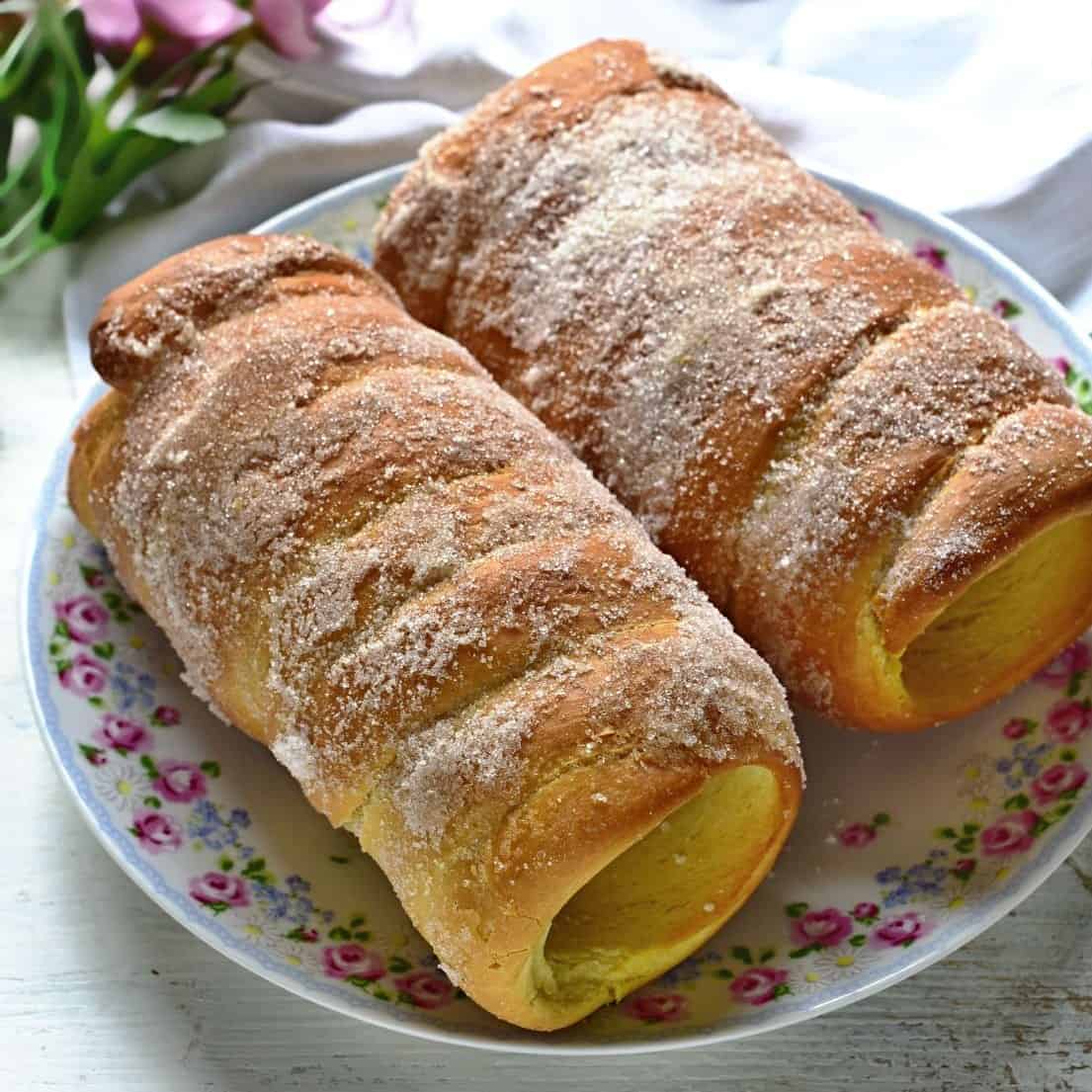 Medium
📜 Story
Medium
📜 Story
Trdelnik
Chimney Cake
Snack, market fairs, winter festivals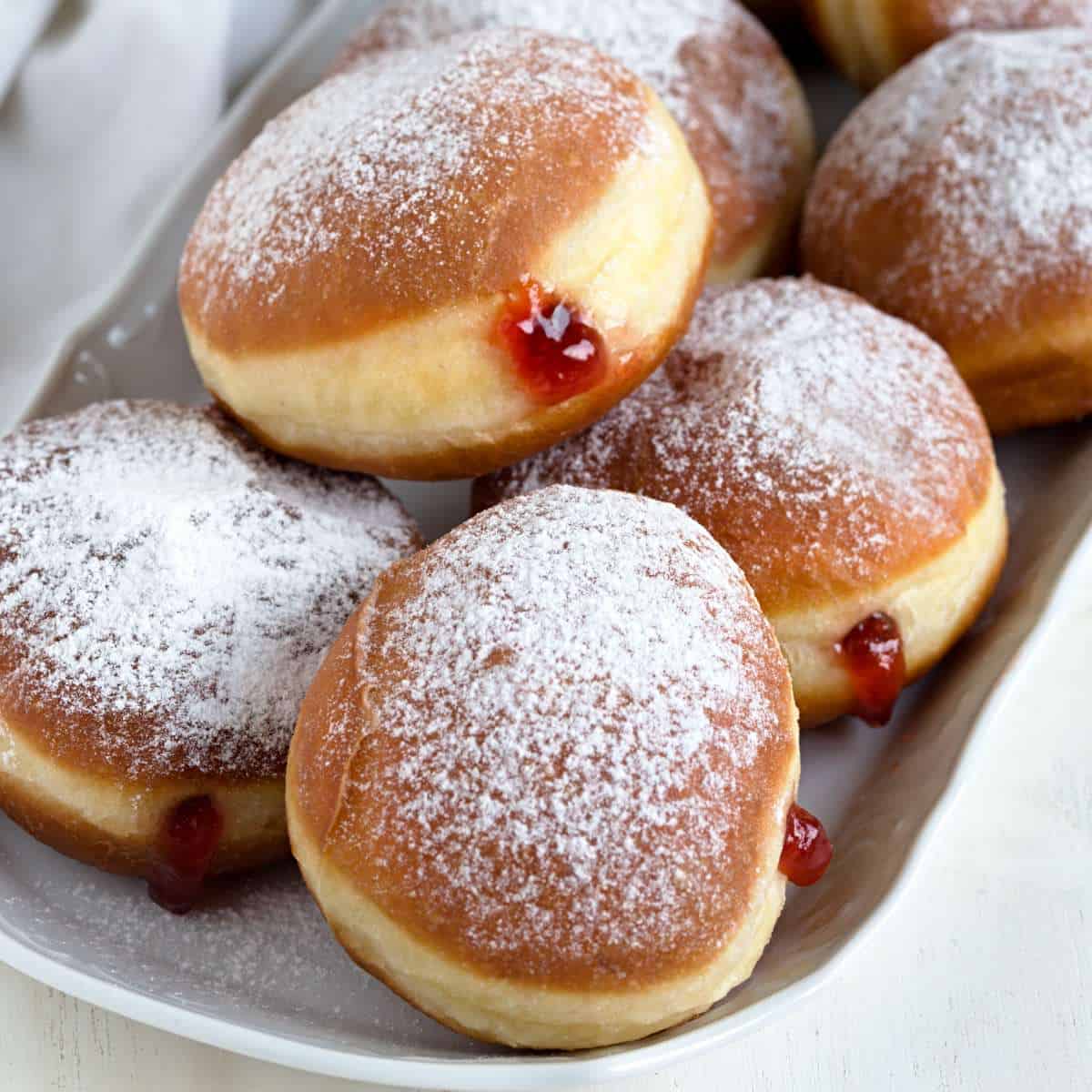 Medium
📜 Story
Medium
📜 Story
Vdolky
Czech Fried Dough Rounds
Markets and celebrations