Chinese Cuisine
Five Thousand Years of Flavor
Chinese cuisine spans eight great culinary traditions, from the fiery heat of Sichuan to the delicate dim sum of Canton. It is a living history of flavor where every region, family, and wok tells a different delicious story.
A Culinary Portrait
The heritage, flavors, and traditions of Chinese cuisine
Mongol and Manchu conquests introduced lamb and dairy traditions, while maritime trade brought New World ingredients such as chili peppers and sweet potatoes that transformed regional palates, most dramatically in Sichuan and Hunan. The wok, perfected during the Han Dynasty, remains the single most important cooking vessel, enabling the high-heat stir-frying technique that defines much of Chinese cookery. The Chinese table is a communal affair built around shared dishes placed at the center, with rice or noodles as the anchor.
Meals follow a careful balance of flavors, textures, and colors. Tea accompanies nearly every meal, and the phrase "chi fan le ma?" (have you eaten?) serves as a common greeting, reflecting how deeply food is woven into Chinese social life and identity.
 八宝饭 (Ba Bao Fan)
 北京酸奶 (Beijing Suan Nai)
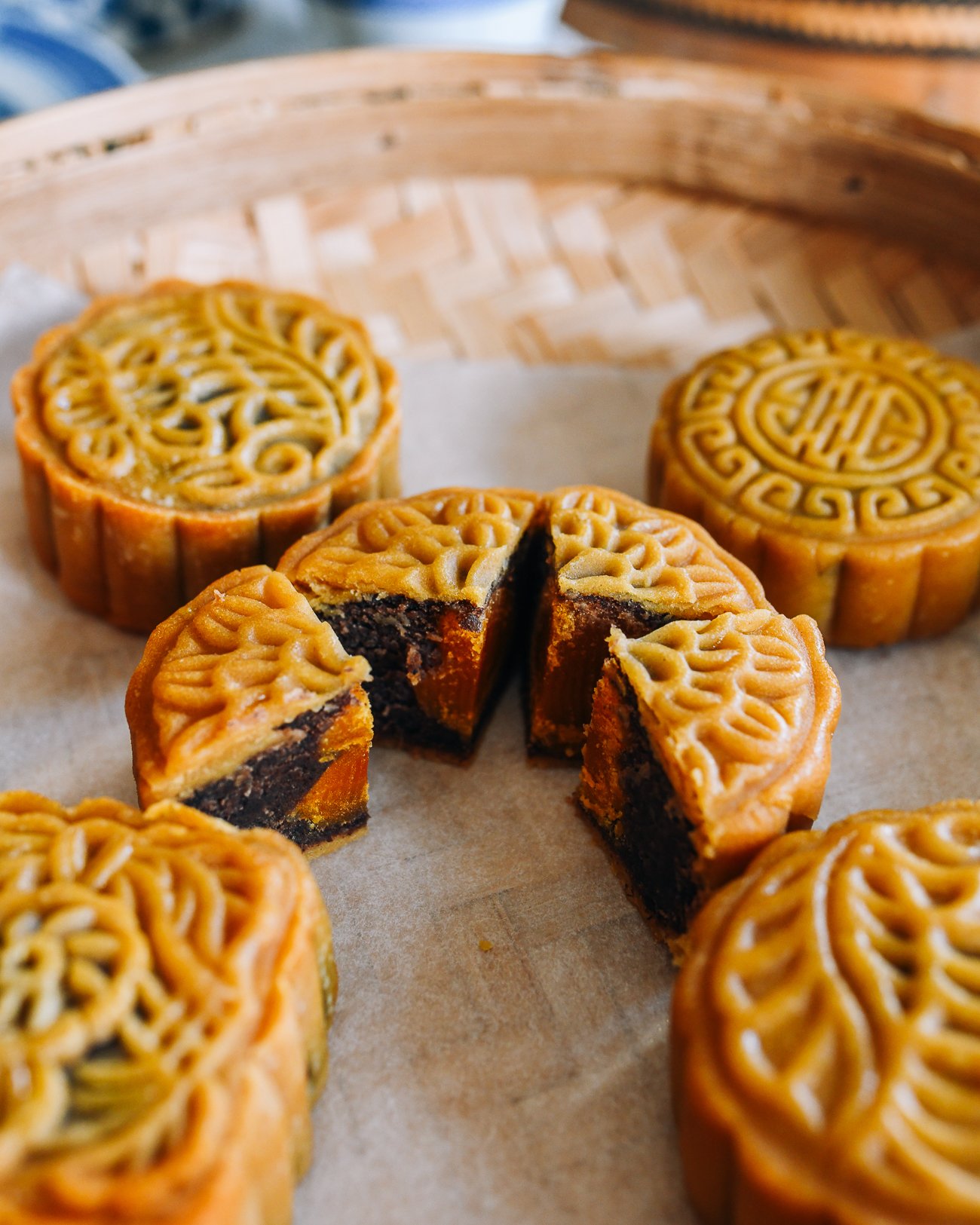 月饼
月饼
Key Flavors
Masters of the Kitchen
The chefs who shaped Chinese cuisine
Fuchsia Dunlop
British food writer and the first Westerner to train at the Sichuan Institute o…
Click to read moreMartin Yan
Hong Kong-born chef and TV personality whose show Yan Can Cook ran for over 3,0…
Click to read moreCecilia Chiang
Pioneer who introduced authentic Chinese regional cuisine to America through Th…
Click to read moreEssential Reading
The cookbooks that define Chinese cuisine
The Food of Sichuan
The expanded edition of Dunlop's landmark book on Sichuan cuisine, with over 200 recipes and deep cultural insight.
Every Grain of Rice
Simple, authentic Chinese home cooking recipes that demonstrate the elegance and variety of everyday Chinese meals.
The Breath of a Wok
James Beard Award-winning exploration of wok cooking techniques with recipes gathered from Chinese kitchens across thre…
Explore All Dishes
6 authentic recipes from Chinese cuisine
Medium
八宝饭 (Ba Bao Fan)
Eight Treasures Rice
Easy
北京酸奶 (Beijing Suan Nai)
Beijing Yogurt
Hard
📜 Story
月饼
Mooncake
Mid-Autumn Festival (8th lunar month)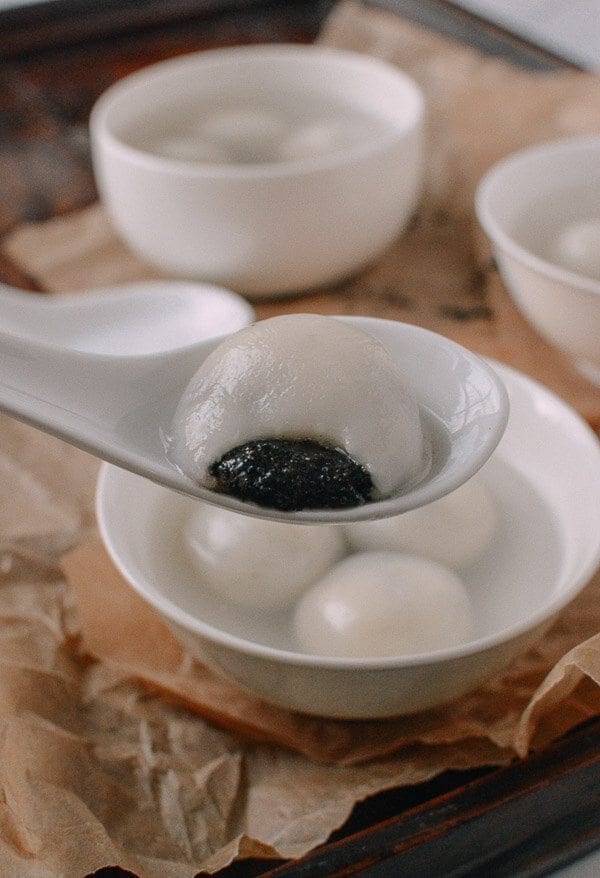 Medium
📜 Story
Medium
📜 Story
汤圆
Tang Yuan (Sweet Rice Balls)
Lantern Festival (15th day of 1st lunar month) Easy
Easy
糖葫芦 (Tang Hu Lu)
Tanghulu
 Easy
Easy
红豆汤 (Hong Dou Tang)
Red Bean Soup