Bolivian Cuisine
Altiplano Kitchen
Bolivian cuisine reflects the country's dramatic geography, from Altiplano potatoes and quinoa to tropical lowland fruits. Ancient Andean ingredients meet Spanish colonial influences.
A Culinary Portrait
The heritage, flavors, and traditions of Bolivian cuisine
The silver mines of Potosi, once the richest city in the Americas, attracted diverse populations whose food traditions blended with indigenous cooking. African influence arrived through enslaved peoples brought to the Yungas valleys. German, Japanese, and Mennonite immigrant communities each contributed to regional food diversity.
The result is a cuisine where Andean quinoa and chuño coexist with lowland yuca and tropical fruits. Potato (in hundreds of varieties), quinoa, locoto peppers (fiery and fruity), llajwa (fresh tomato-chili salsa, Bolivia's universal condiment), and aji amarillo.
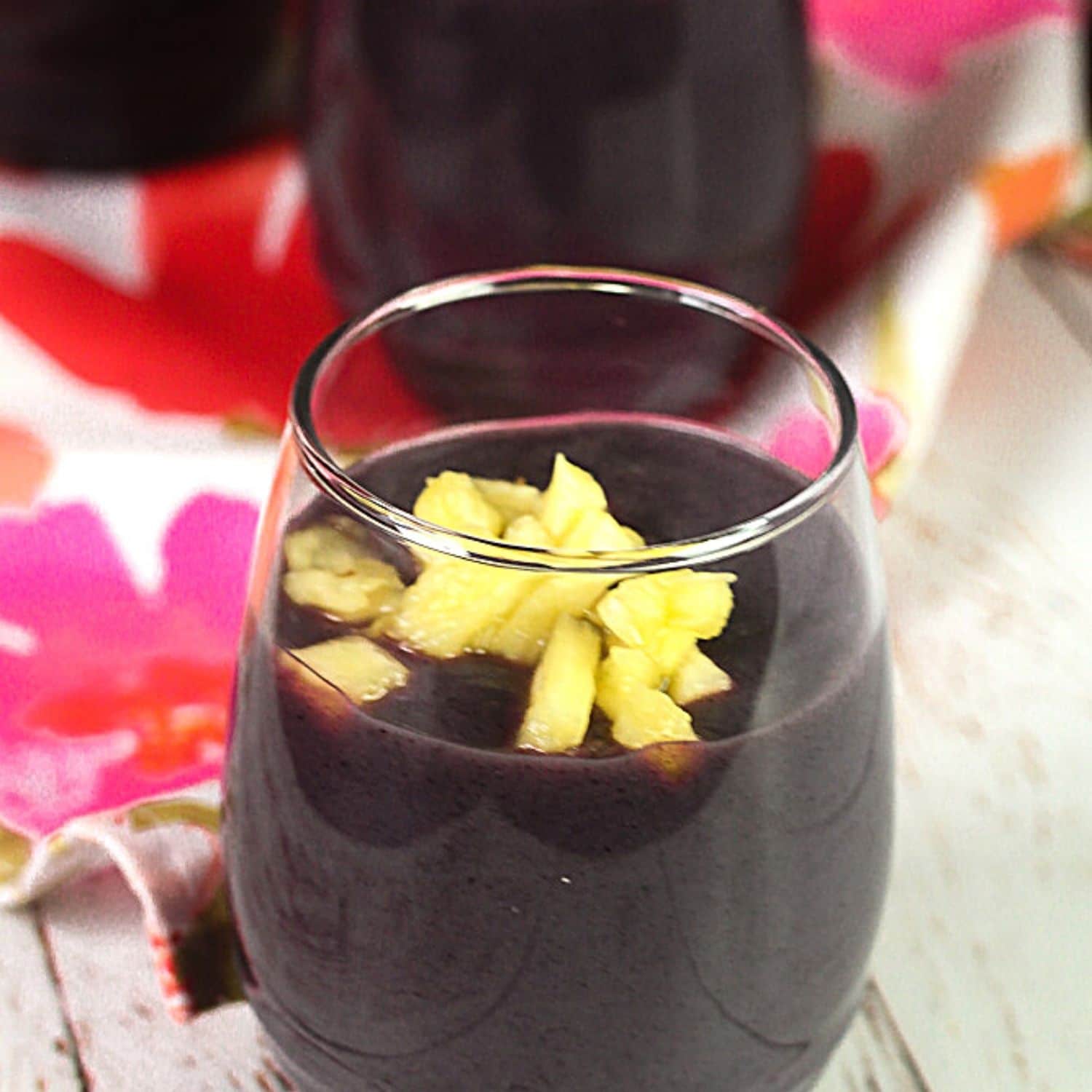 Api con Pasteles
 Cuñapé
 Empanada de Queso
Key Flavors
Masters of the Kitchen
The chefs who shaped Bolivian cuisine
Marsia Taha
Head chef of Gustu in La Paz, the first Bolivian restaurant to feature on Latin…
Click to read moreKamilla Seidler
Danish chef who co-founded Gustu restaurant in La Paz with Claus Meyer of Noma …
Click to read moreEssential Reading
The cookbooks that define Bolivian cuisine
Bolivian Cookbook
A collection of traditional Bolivian recipes from Cochabamba, documenting authentic home cooking traditions.
Explore All Dishes
5 authentic recipes from Bolivian cuisine
Medium
📜 Story
Api con Pasteles
Purple Corn Drink with Cheese Pastries
Breakfast, cold mornings
Easy
📜 Story
Cuñapé
Cheese Bread Balls
Snack, breakfast, tea time
Easy
📜 Story
Empanada de Queso
Cheese Empanada
Mid-morning snack, tea time Medium
📜 Story
Medium
📜 Story
Humintas
Fresh Corn Tamales
Breakfast, snack, Carnival season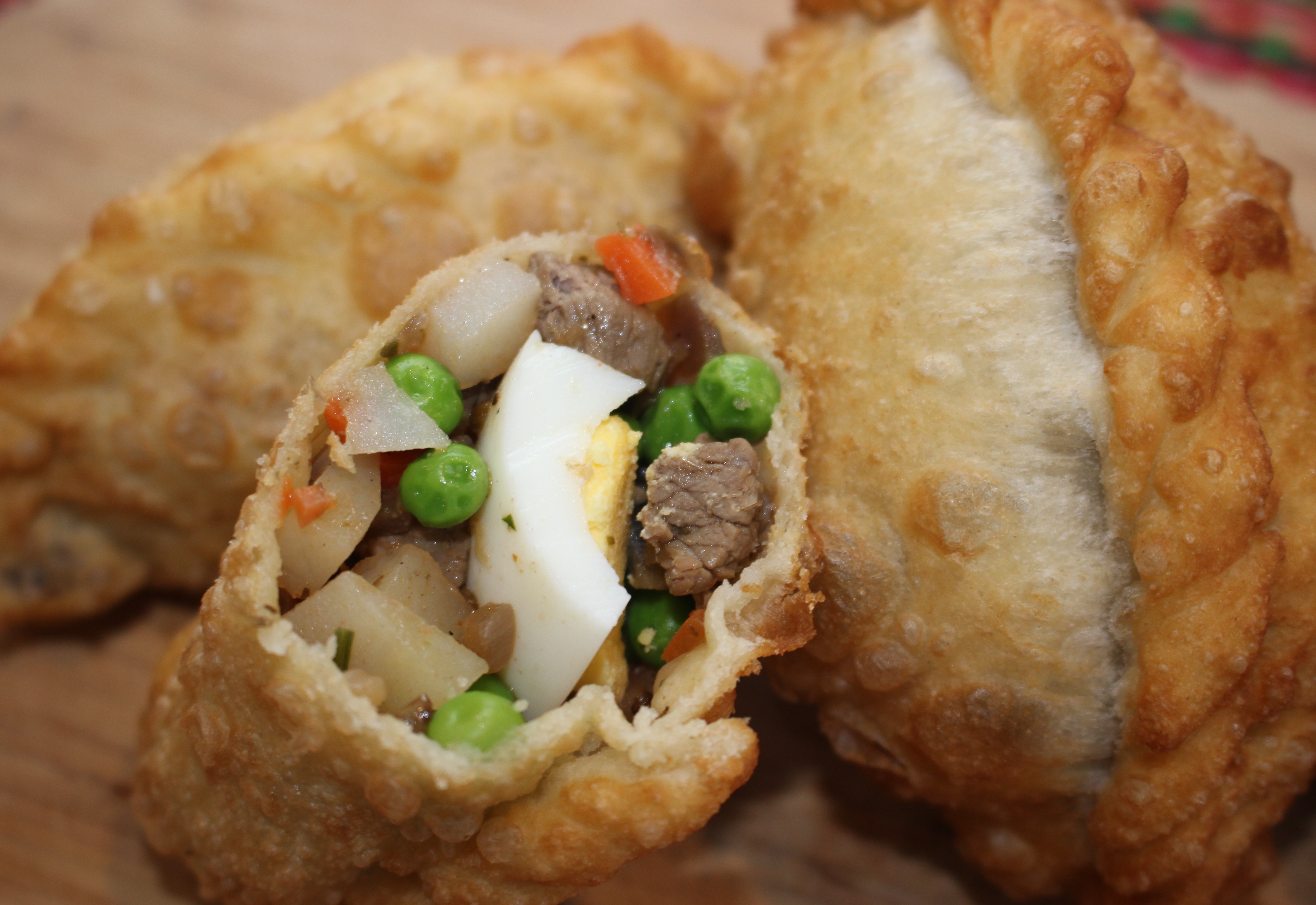 Medium
📜 Story
Medium
📜 Story
Tucumana
Fried Stuffed Pastry
Mid-morning snack