🇦🇿
Azerbaijani Cuisine
Land of Fire
Asia
›
Central Asia
2
Dishes
6
Categories
Explore
Azerbaijani cuisine is the refined crossroads of Turkish, Persian, and Caucasian cooking. Aromatic pilafs, juicy kebabs, and saffron-infused dishes reflect centuries of Silk Road heritage.
A Culinary Portrait
The heritage, flavors, and traditions of Azerbaijani cuisine
Azerbaijani cuisine is a symphony of Caucasian, Persian, and Turkic influences, shaped by a landscape that ranges from the subtropical Caspian Sea coast to the high peaks of the Greater Caucasus Mountains. The Absheron Peninsula and the Kura-Araks lowland provided rich agricultural land for pomegranates, saffron, figs, and grapes, while mountain pastures sustained sheep and cattle herding traditions that remain central to the national diet. Azerbaijan's position on the ancient trade routes between East and West exposed its cuisine to an extraordinary range of spices, techniques, and ingredients.
Persian cultural influence, spanning millennia of shared history, is visible in the elaborate rice pilafs (plov), the use of saffron, dried fruits, and herbs, and the tradition of slow-cooked stews. Turkic nomadic heritage contributed grilled meats, dairy traditions, and the use of tandir (tandoor) ovens.
Georgian and Armenian neighbors influenced pickle preparation and walnut-based sauces. Russian and Soviet rule brought bread culture, salads, and institutional dining, while the country's Caspian coastline provided sturgeon, caviar, and freshwater fish that distinguish Azerbaijani cuisine from its inland neighbors. Saffron (Azerbaijan is one of the world's premier saffron producers, using it lavishly in rice and sweets), sumac (a tart red berry seasoning for grilled meats and salads), pomegranate (fruit, juice, and molasses used in sauces and garnishes), fresh herbs (tarragon, dill, cilantro, basil, and mint served in huge bundles at every meal), and clarified butter (the traditional cooking fat for pilafs).
Persian cultural influence, spanning millennia of shared history, is visible in the elaborate rice pilafs (plov), the use of saffron, dried fruits, and herbs, and the tradition of slow-cooked stews. Turkic nomadic heritage contributed grilled meats, dairy traditions, and the use of tandir (tandoor) ovens.
Georgian and Armenian neighbors influenced pickle preparation and walnut-based sauces. Russian and Soviet rule brought bread culture, salads, and institutional dining, while the country's Caspian coastline provided sturgeon, caviar, and freshwater fish that distinguish Azerbaijani cuisine from its inland neighbors. Saffron (Azerbaijan is one of the world's premier saffron producers, using it lavishly in rice and sweets), sumac (a tart red berry seasoning for grilled meats and salads), pomegranate (fruit, juice, and molasses used in sauces and garnishes), fresh herbs (tarragon, dill, cilantro, basil, and mint served in huge bundles at every meal), and clarified butter (the traditional cooking fat for pilafs).
 Gutab with Pumpkin
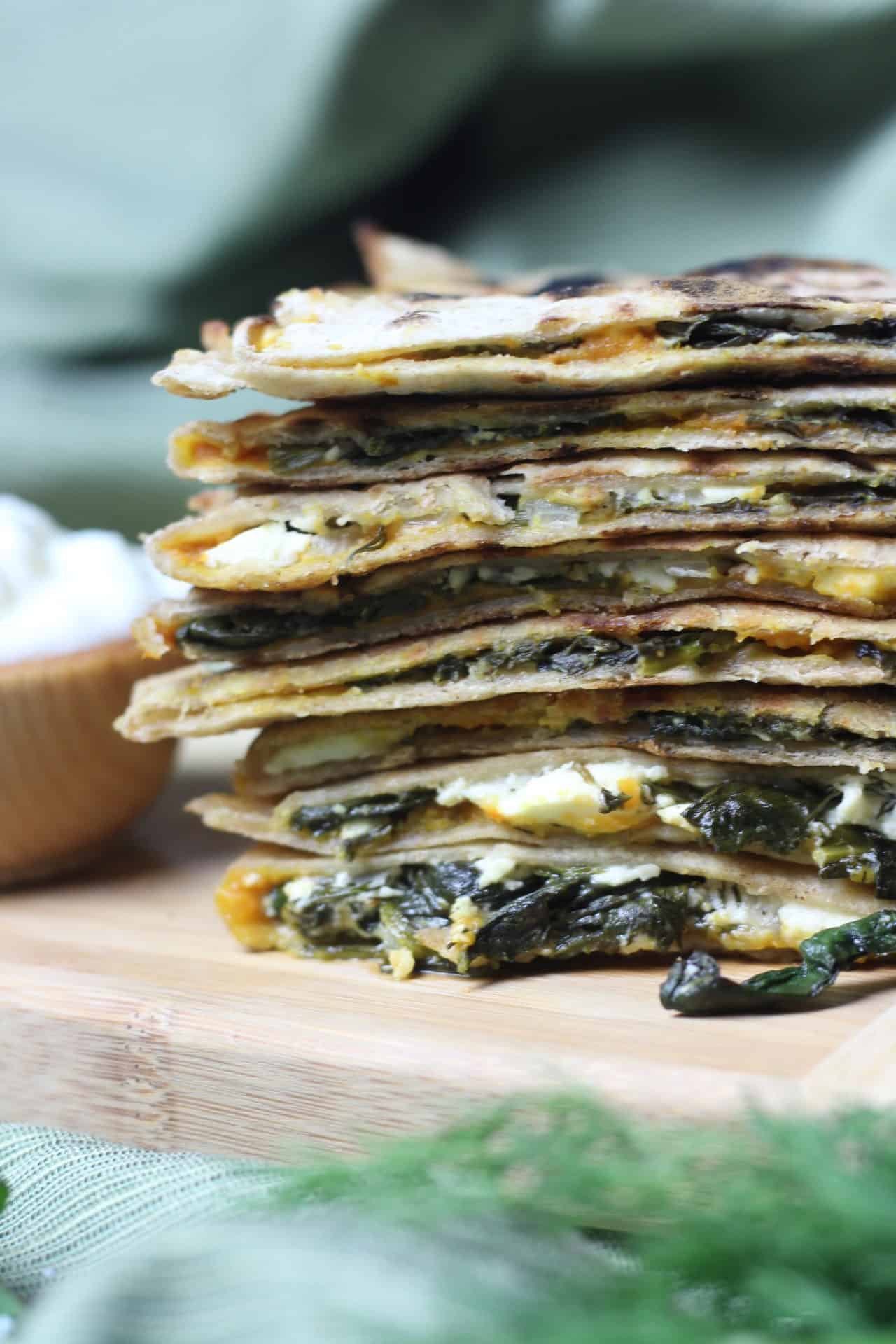 Qutab
Qutab
Key Flavors
pumpkin
flatbread
flatbread
street food
Masters of the Kitchen
The chefs who shaped Azerbaijani cuisine
Tahir Amiraslanov
Azerbaijani culinary historian and president of the Azerbaijan Culinary Associa…
Click to read moreEssential Reading
The cookbooks that define Azerbaijani cuisine
Azerbaijani Cuisine
Azerbaijani Cuisine
An authoritative guide to Azerbaijani gastronomy covering the history, ingredients, and recipes of this Caucasus cuisin…
Explore All Dishes
2 authentic recipes from Azerbaijani cuisine
Difficulty:
Time:
Sort:
Showing 2 of 2 dishes