Algerian Cuisine
Crossroads of the Mediterranean
Algerian cuisine blends Berber, Arab, Ottoman, and French influences into a bold culinary identity. Rich stews, hand-rolled couscous, and fragrant spice blends define this North African powerhouse.
A Culinary Portrait
The heritage, flavors, and traditions of Algerian cuisine
Ottoman rule from the sixteenth century layered Turkish influences onto the existing Amazigh-Arab foundation, introducing stuffed pastries, grilled meats, and syrup-soaked confections. French colonization from 1830 to 1962 left its mark on baking traditions, cafe culture, and the structure of daily meals. Yet through every occupation, the Amazigh grandmother's kitchen endured as the true custodian of Algerian flavor.
Regional diversity is dramatic: the coastal cities of Algiers, Oran, and Annaba favor seafood, tomato-based sauces, and Mediterranean herbs, while the interior highlands rely on dried meats, preserved vegetables, and slow-simmered stews built to sustain families through harsh winters. The Saharan south contributes date-based confections and flatbreads baked in desert sand. Ras el hanout (a complex spice blend of up to thirty ingredients), harissa (fermented chili paste), preserved lemons (salt-cured and intensely fragrant), dried mint (used in teas, soups, and salads), and semolina (the foundation of couscous, bread, and pastry).
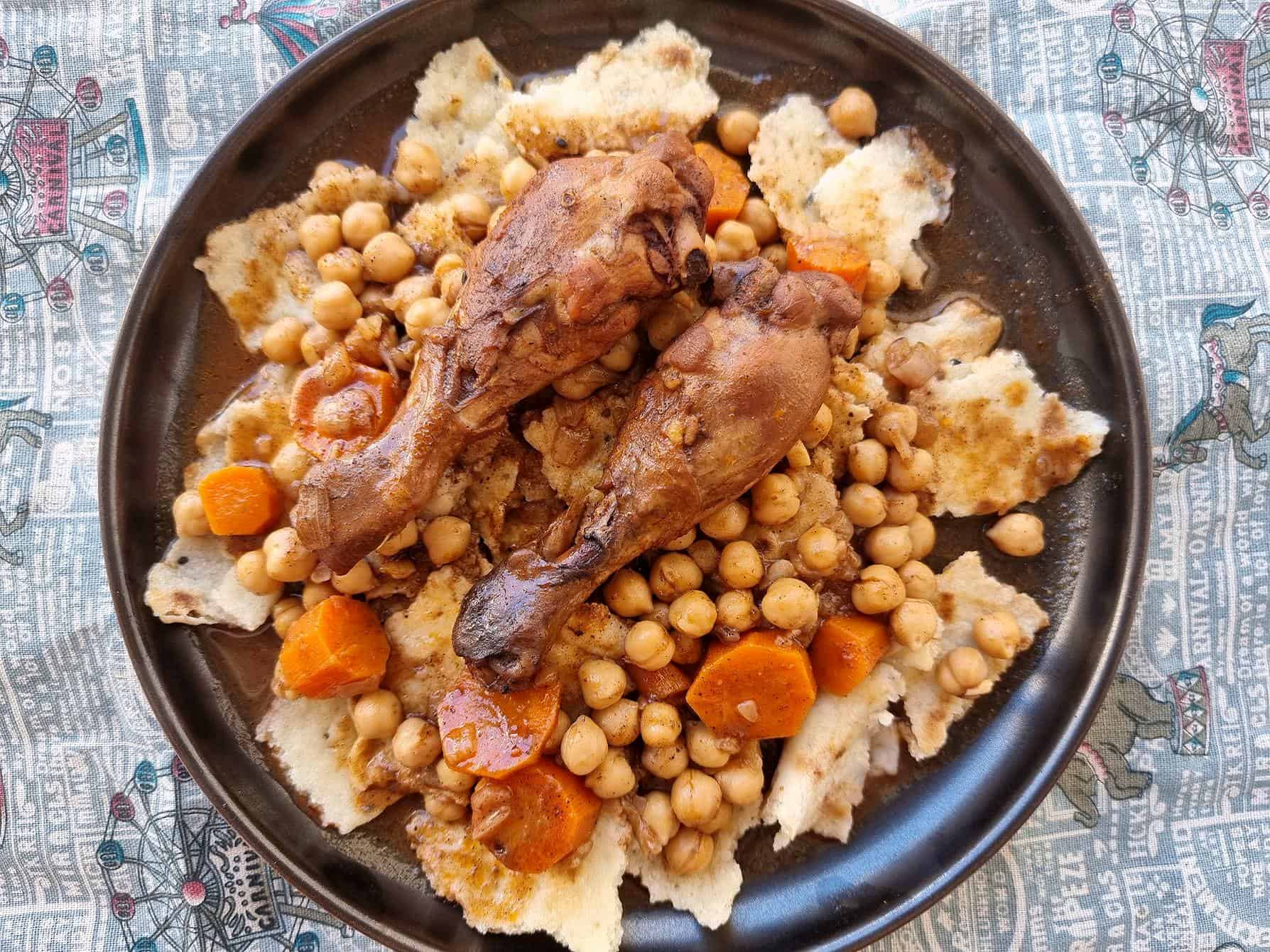 Chakhchoukha
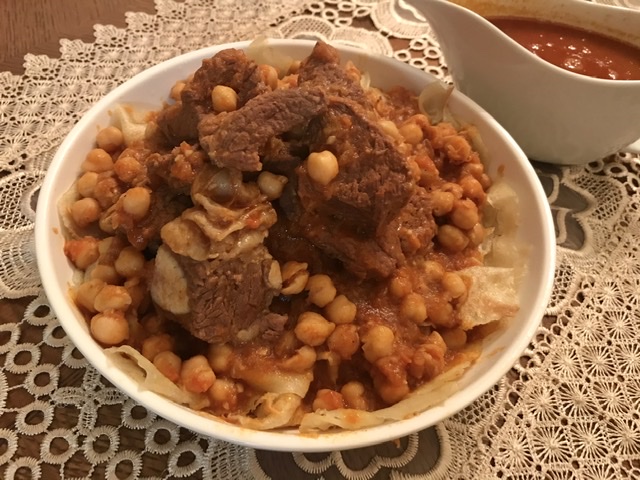 Chakhchoukha Biskria
 Couscous Royal
Key Flavors
Masters of the Kitchen
The chefs who shaped Algerian cuisine
Farid Zadi
Renowned Algerian chef known for his mastery of traditional Algerian dishes, pa…
Click to read moreEssential Reading
The cookbooks that define Algerian cuisine
Algerian Homecook: A Visual Guide to Authentic Cooking
A beautifully photographed collection of authentic Algerian recipes cherished across generations.
The Food of Morocco & Algeria
An authoritative exploration of North African cuisine including the intricacies of Algerian cooking traditions.
Explore All Dishes
8 authentic recipes from Algerian cuisine
Medium
📜 Story
Chakhchoukha
Torn Flatbread Stew
Lunch, festive occasions
Hard
📜 Story
Chakhchoukha Biskria
Biskra-Style Torn Bread in Spiced Sauce
Friday lunch, celebrations
Hard
📜 Story
Couscous Royal
Royal Couscous
Friday lunch, celebrations Medium
📜 Story
Medium
📜 Story
Dolma
Algerian Stuffed Peppers and Vegetables
Lunch, family gatherings Medium
📜 Story
Medium
📜 Story
Lham Lahlou
Algerian Sweet Lamb with Dried Fruits
Ramadan iftar, celebrations Medium
📜 Story
Medium
📜 Story
Merguez
Algerian Spiced Lamb Sausages
Lunch, dinner, barbecue Medium
📜 Story
Medium
📜 Story
Mtewem
Algerian Lamb Meatballs in Garlic Sauce
Lunch or dinner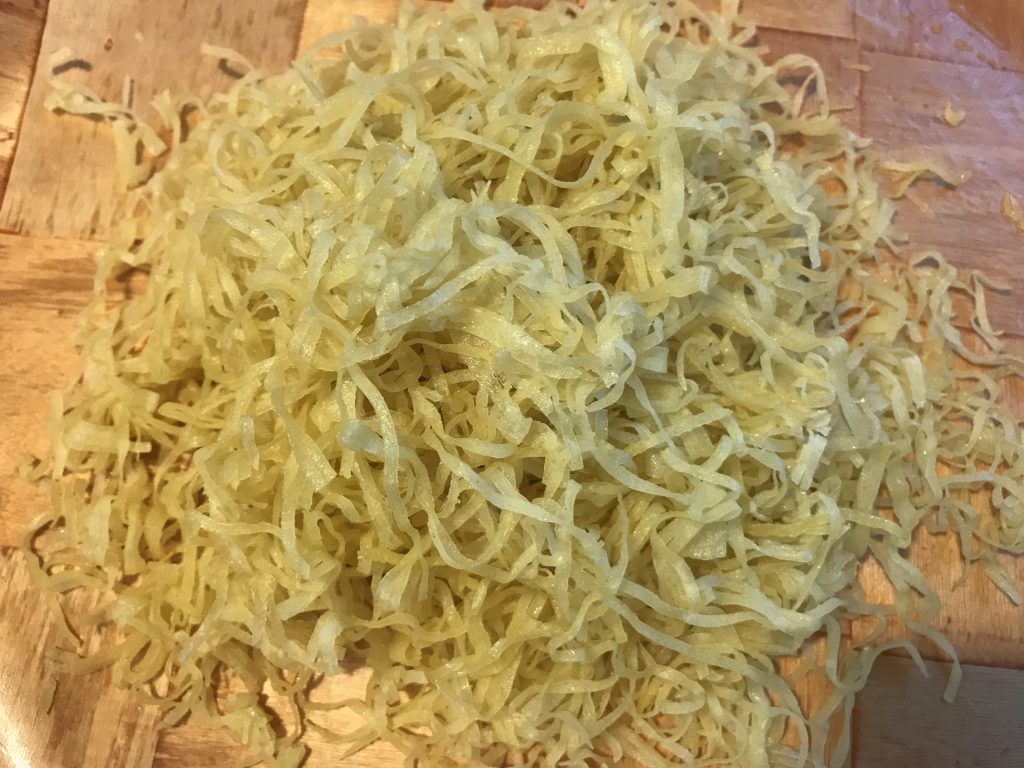 Hard
📜 Story
Hard
📜 Story
Rechta
Algerian Hand-Rolled Pasta
Weddings, Eid, celebrations