
Tiny parcels of spiced lamb nestled in delicate handmade dough, boiled to silky tenderness and lavished with garlicky yogurt and sizzling paprika butter. These Turkish dumplings are a labor of love where smaller means more skilled, and each bite is a burst of layered luxury.
Nutrition & Info
Allergen Warnings
Equipment Needed
Presentation Guide
Vessel: shallow bowl
Garnishes: sumac, dried mint
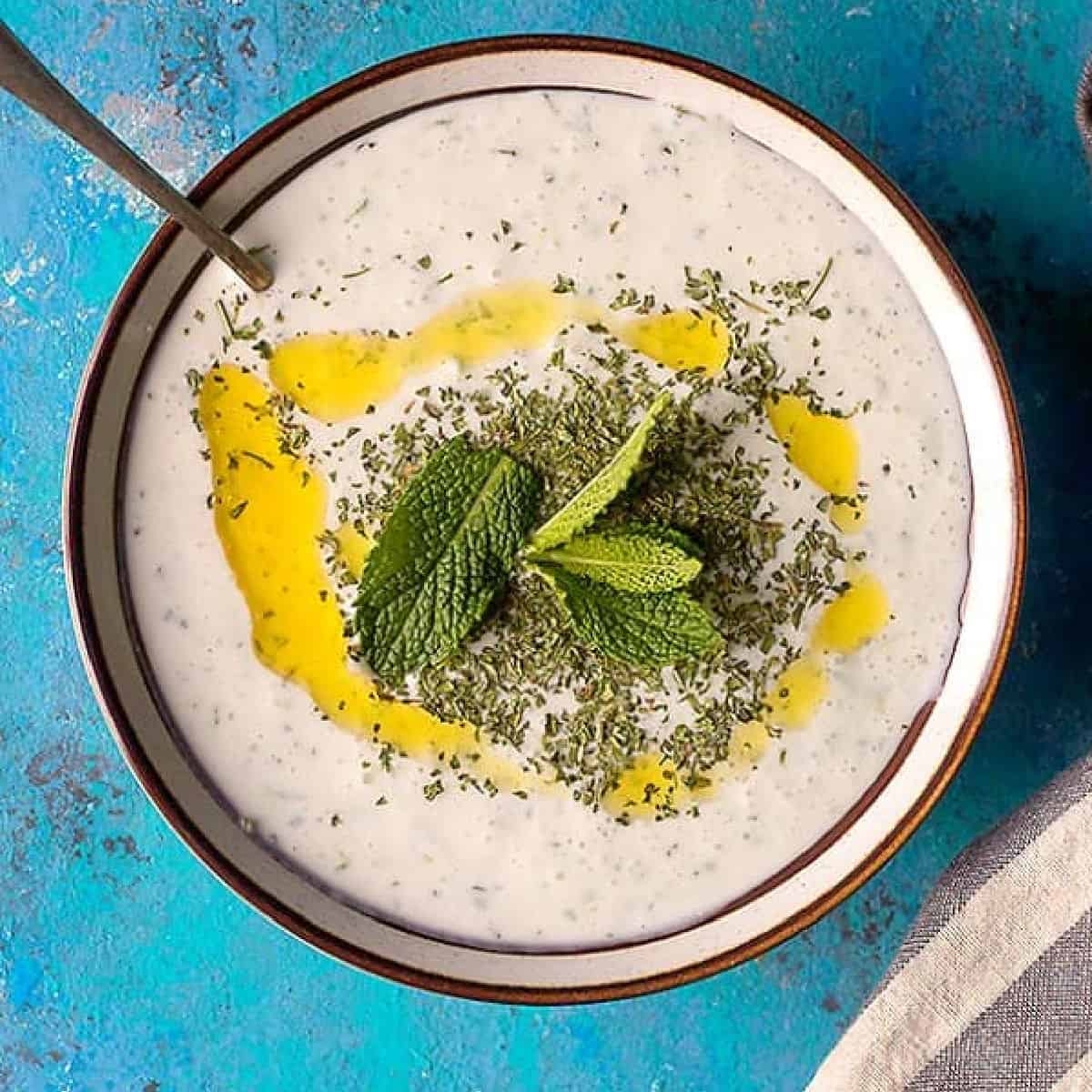
Accompaniments: garlic yogurt sauce, butter with paprika
Instructions
-
1
Make the dough: combine flour, egg, water, and salt. Knead for 8-10 minutes until very smooth and elastic. Wrap in plastic and rest for 30 minutes.
-
2
Prepare the filling: mix ground lamb with minced onion, parsley, cumin, salt, and pepper. The mixture should be well seasoned as each dumpling holds only a small amount.
-
3
Roll the dough very thin on a floured surface (about 1mm). Cut into 2.5cm squares. Place a small pea-sized amount of filling in the center of each square.
-
4
Pinch opposite corners together to seal each dumpling into a small boat or purse shape. The traditional Kayseri style should be tiny enough that 40 fit on a single spoon (though home-size is fine at 2-3cm).
-
5
Bring a large pot of salted water to a gentle boil. Cook the manti in batches for 8-10 minutes until the dough is tender and the filling is cooked through. Drain gently.
-
6
While the manti cook, prepare the sauces: mix yogurt with minced garlic and a pinch of salt. In a small pan, melt butter until foaming, then stir in red pepper flakes and dried mint, cooking for 30 seconds.
-
7
Arrange the manti in a serving dish, spoon the garlic yogurt generously over top, then drizzle the sizzling paprika butter over everything. Serve immediately while the butter is still crackling.
Did You Know?
In Kayseri, the birthplace of manti, a bride's cooking skills are judged by how small she can make her manti. The saying goes that a worthy bride's manti should be small enough to fit 40 on a single spoon.
Chef's Notes
Equipment Tips
- rolling pin
- large pot
- small spoon
Garnishing
sumac, dried mint
Accompaniments
garlic yogurt sauce, butter with paprika
The Story Behind Mantı
## The Story
Manti traveled westward with migrating Turkic peoples from Central Asia to Anatolia beginning in the 11th century. Mongol and Turkic horsemen carried dried or frozen dumplings that could be quickly boiled over a campfire, making them ideal portable sustenance for nomadic life along the Silk Road. The earliest written Ottoman recipe appears in a 15th-century cookbook by Muhammed bin Mahmud Shirvani, describing steamed dumplings filled with minced lamb and crushed chickpeas, spiced with cinnamon.
## On the Calendar
Manti is a communal dish, traditionally prepared by groups of women working together during weddings, religious holidays, and family gatherings. The painstaking process of forming dozens of tiny dumplings makes it a celebration of shared labor.
## Then & Now
The original Central Asian manti were large, steamed dumplings. In Kayseri, the Turkish heartland of manti-making, they evolved into tiny parcels, some cooks boasting that forty should fit on a single spoon. They are boiled and served with garlicky yogurt and spiced butter sauce.
## Legacy
Manti traces the migration of Turkic peoples from the steppes to Anatolia, a culinary thread connecting modern Turkey to its Central Asian origins.


Comments (0)
Log in to leave a comment.
No comments yet. Be the first to share your thoughts!