
Succulent cubes of marinated lamb threaded onto skewers and grilled over glowing charcoal until charred on the outside and blush-pink within. Served with pillowy flatbread, smoky grilled peppers, and a cascade of sumac-dusted onions, this is the primal joy of fire-kissed meat.
Nutrition & Info
Allergen Warnings
Equipment Needed
Presentation Guide
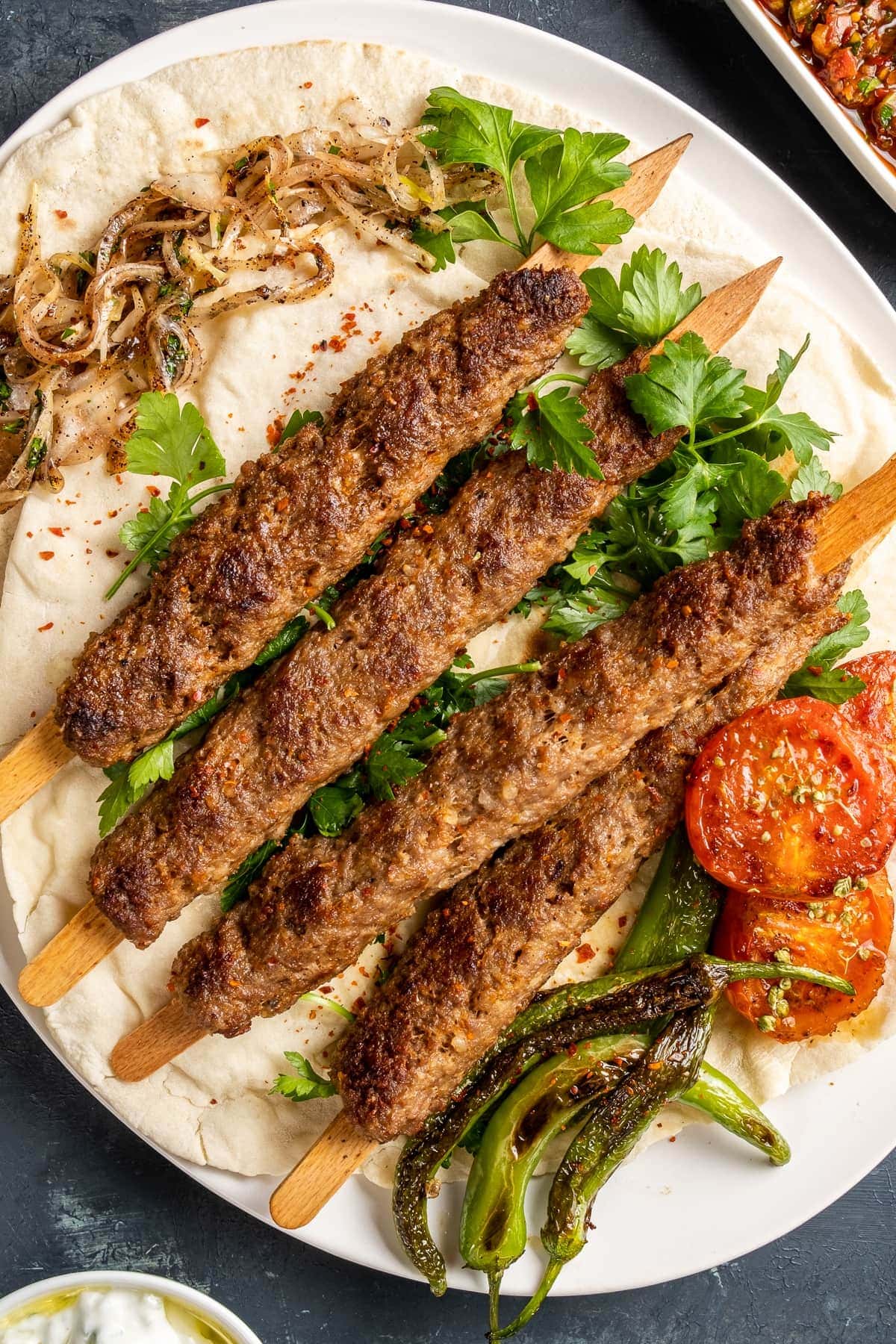
Vessel: oval metal platter
Garnishes: sumac onions, grilled peppers, parsley
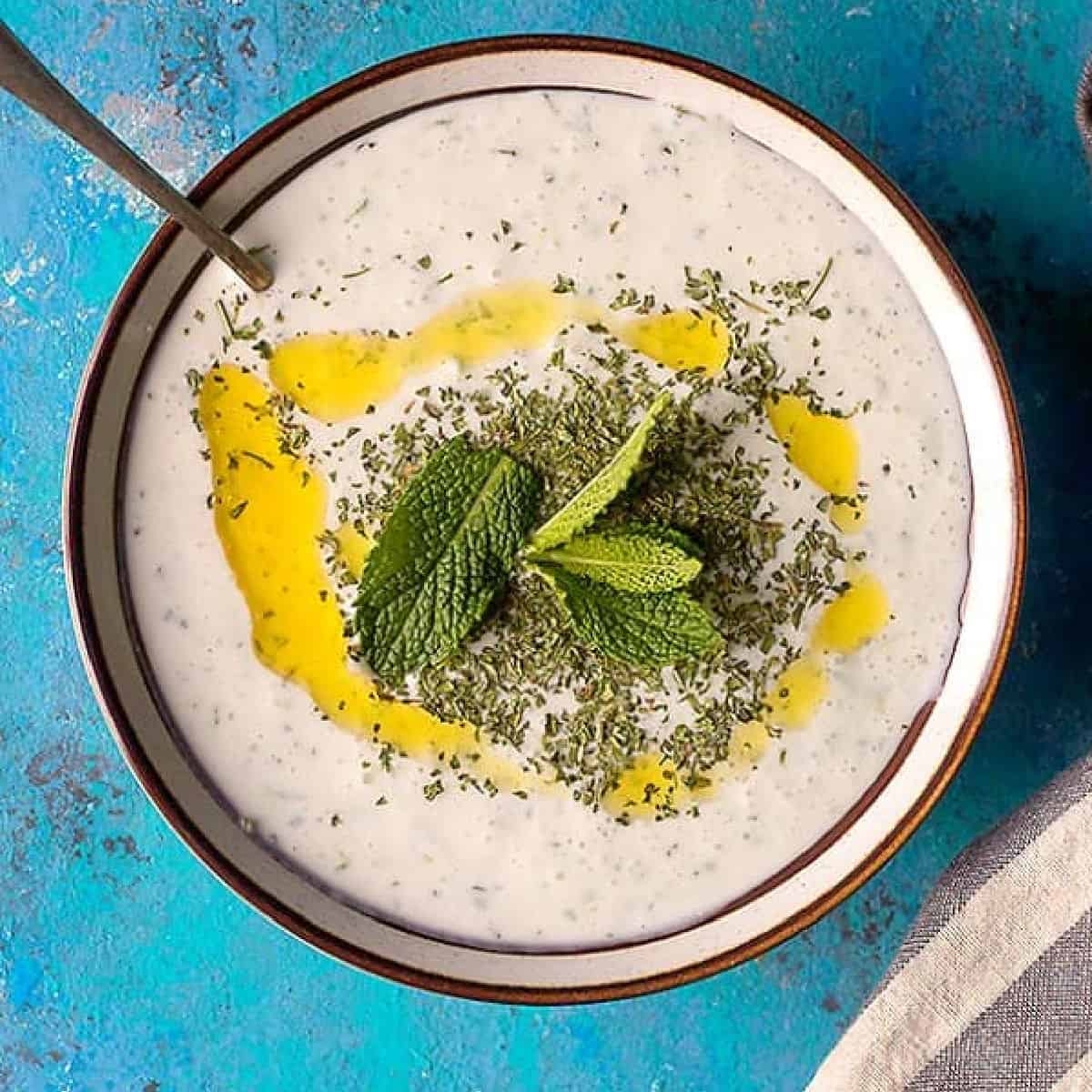
Accompaniments: lavash bread, yogurt, grilled tomatoes
Instructions
-
1
Combine grated onion, olive oil, yogurt, tomato paste, cumin, paprika, Aleppo pepper, garlic, salt, and pepper in a large bowl. Add the lamb cubes and mix thoroughly. Cover and marinate in the refrigerator for at least 4 hours, preferably overnight.
-
2
Remove the lamb from the fridge 30 minutes before cooking to bring it to room temperature. Thread the cubes onto flat metal skewers, leaving small gaps between each piece for even cooking.
-
3
Prepare a charcoal grill or preheat a grill pan to very high heat. The coals should be glowing white-hot with no flames for the best smoky flavor.
-
4
Grill the kebabs for 3-4 minutes per side, turning four times total, until charred on the outside but still juicy and slightly pink in the center. Resist the urge to press down on the meat.
-
5
While the kebabs cook, grill whole tomatoes and long green peppers alongside until blistered and softened.
-
6
Slice the remaining onion into thin rings, season with sumac, salt, and a squeeze of lemon. Toss and let sit to mellow.
-
7
Serve the kebabs on warm lavash bread with grilled vegetables, sumac onions, and a side of thick yogurt. Wrap and eat with your hands for the full Turkish experience.
Did You Know?
The word 'kebab' simply means 'roasted meat' in Arabic and Turkish. Ottoman palace kitchens employed specialized kebab masters who trained for years to achieve perfect charcoal management and meat preparation.
Chef's Notes
Equipment Tips
- metal skewers
- charcoal grill
- mixing bowl
Garnishing
sumac onions, grilled peppers, parsley
Accompaniments
lavash bread, yogurt, grilled tomatoes
The Story Behind Kuzu Şiş Kebabı
## The Story
The kebab is among the oldest cooking methods in the Middle East, with roots in the ancient practice of grilling meat over open flame. The word itself derives from Aramaic and Akkadian roots meaning 'to burn' or 'to char.' The earliest known written reference to kebab as food appears in a 1377 Turkish text, Kyssa-i Yusuf. Nomadic Turkic warriors famously skewered chunks of freshly hunted game on their swords and grilled them over campfires, a practical battlefield cuisine that became culinary tradition.
## On the Calendar
Lamb kebab is central to Eid al-Adha celebrations, when freshly slaughtered lamb is grilled and shared with family, neighbors, and the poor. It also anchors summer gatherings and weekend family cookouts across Turkey.
## Then & Now
From simple campfire cooking, the kebab evolved into dozens of regional Turkish specialties: Adana kebab with its spicy minced meat, Urfa kebab with its milder profile, and shish kebab with its skewered cubes. The 19th-century invention of the vertical doner spit in Bursa revolutionized kebab culture entirely.
## Legacy
The kebab represents Turkey's nomadic heritage transformed into a global culinary icon, with variations now found on virtually every continent.


Comments (0)
Log in to leave a comment.
No comments yet. Be the first to share your thoughts!