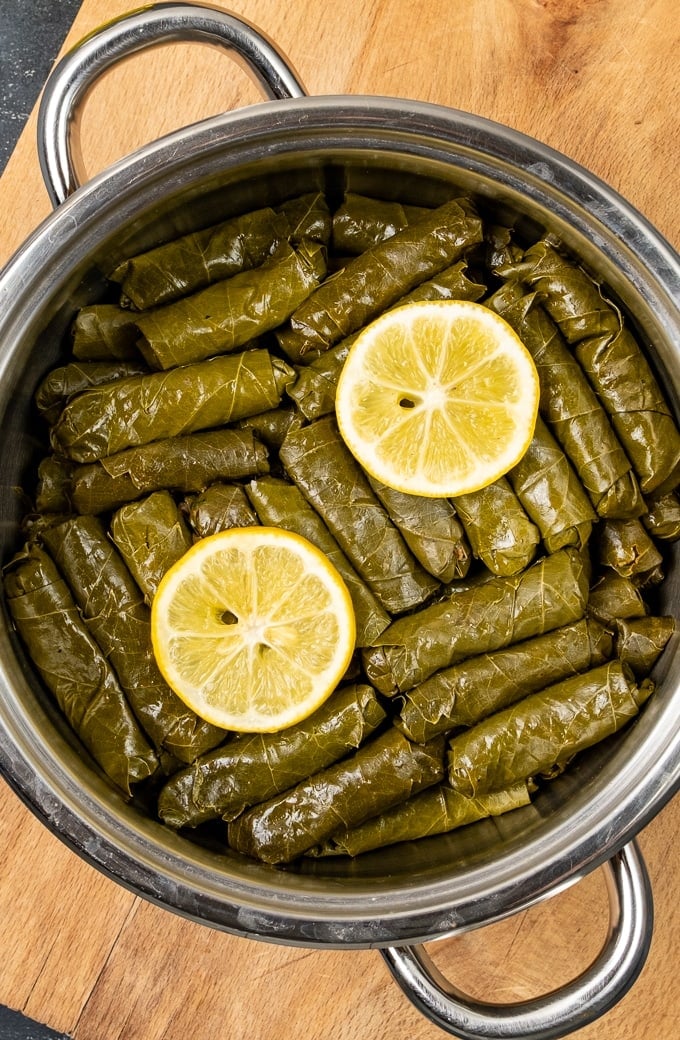
Tender grape leaves wrapped around a fragrant filling of rice, currants, pine nuts, and fresh herbs, braised in olive oil and lemon juice until silky.
Nutrition & Info
Allergen Warnings
Equipment Needed
Presentation Guide
Vessel: decorative platter
Garnishes: lemon slices, fresh dill, olive oil drizzle
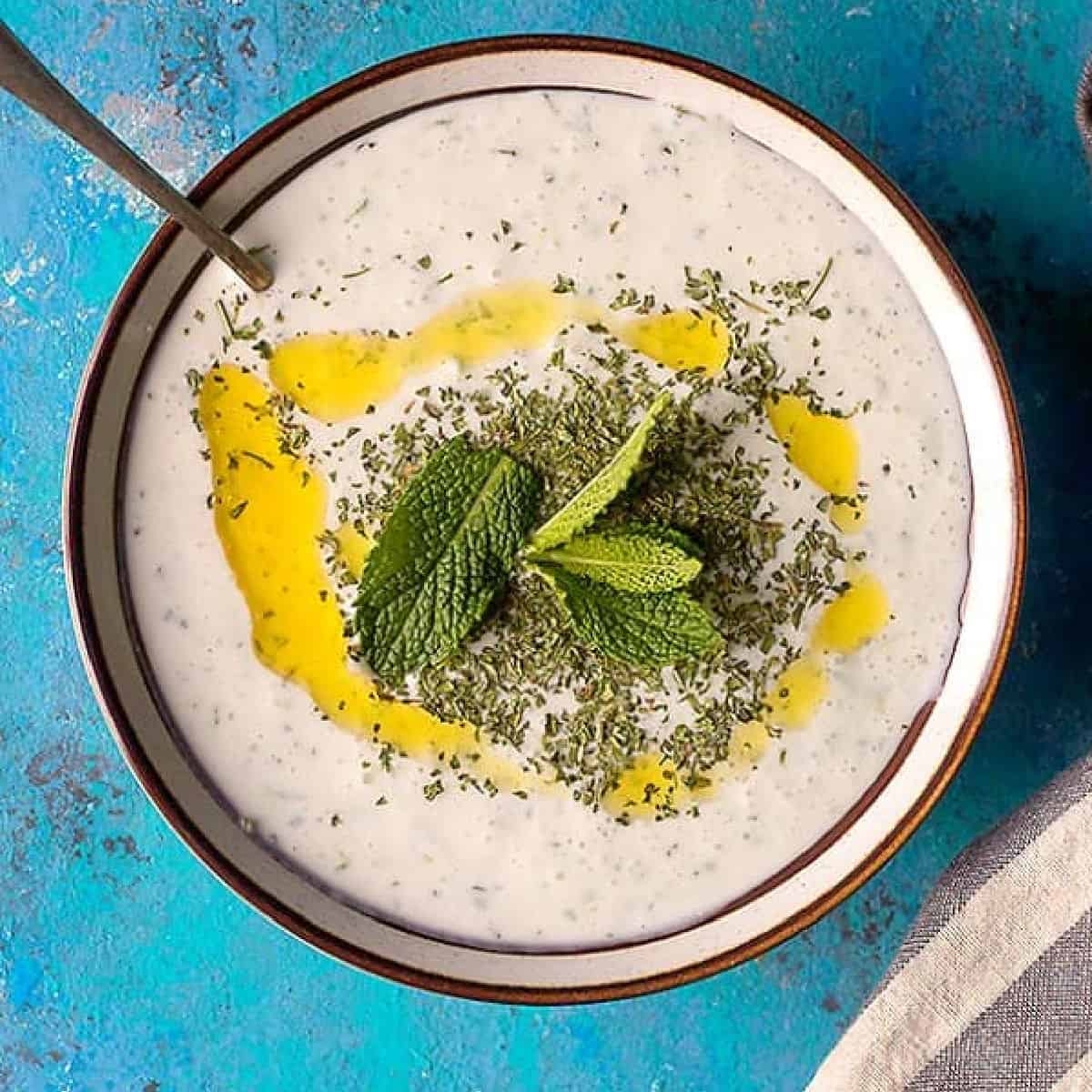
Accompaniments: yogurt, bread
Instructions
-
1
Sauté diced onion in half the olive oil until translucent, then add pine nuts and currants, cooking two minutes more gently.
-
2
Stir in soaked rice, allspice, cinnamon, salt, pepper, chopped dill, and mint, then remove from heat and let cool slightly.
-
3
Place a grape leaf shiny-side down, add a teaspoon of filling near the stem end, fold sides inward and roll tightly forward.
-
4
Line the bottom of a pot with torn or damaged grape leaves, then pack rolled sarma tightly in concentric circles in layers.
-
5
Mix remaining olive oil, lemon juice, and one cup of hot water, pour over the rolls, and place a plate on top as weight.
-
6
Cover and simmer on very low heat for fifty minutes until the rice is tender and the leaves are silky and completely yielding.
Did You Know?
In Ottoman times, the quality of a potential bride was judged by how small and tight she could roll her sarma — the smaller the better.
Chef's Notes
Equipment Tips
- large pot with lid
- mixing bowl
- serving platter
Garnishing
lemon slices, fresh dill, olive oil drizzle
Accompaniments
yogurt, bread
The Story Behind Yaprak Sarma
Yaprak sarma epitomizes the refined meze culture of Ottoman palace cuisine. The technique of wrapping grape leaves around spiced rice spread throughout the former Ottoman territories, with each region adding local herbs and spices.


Comments (0)
Log in to leave a comment.
No comments yet. Be the first to share your thoughts!