
A hearty one-pot stew of boiled maize kernels and beans simmered with onions, tomatoes, and spices, a staple comfort food across Kenya.
Nutrition & Info
Equipment Needed
Presentation Guide
Instructions
-
1
Boil soaked maize and beans together in a large pot with enough water to cover by two inches for about one hour until both are tender.
-
2
In a separate pan, heat oil and sauté diced onions for five minutes until translucent and lightly golden.
-
3
Add chopped tomatoes to the onions, cook for five minutes until they break down into a thick sauce.
-
4
Drain most of the cooking water from the maize and beans, then add the onion-tomato mixture and stir to combine.
-
5
Season with salt and pepper, simmer for ten more minutes so flavors meld together into a cohesive stew.
-
6
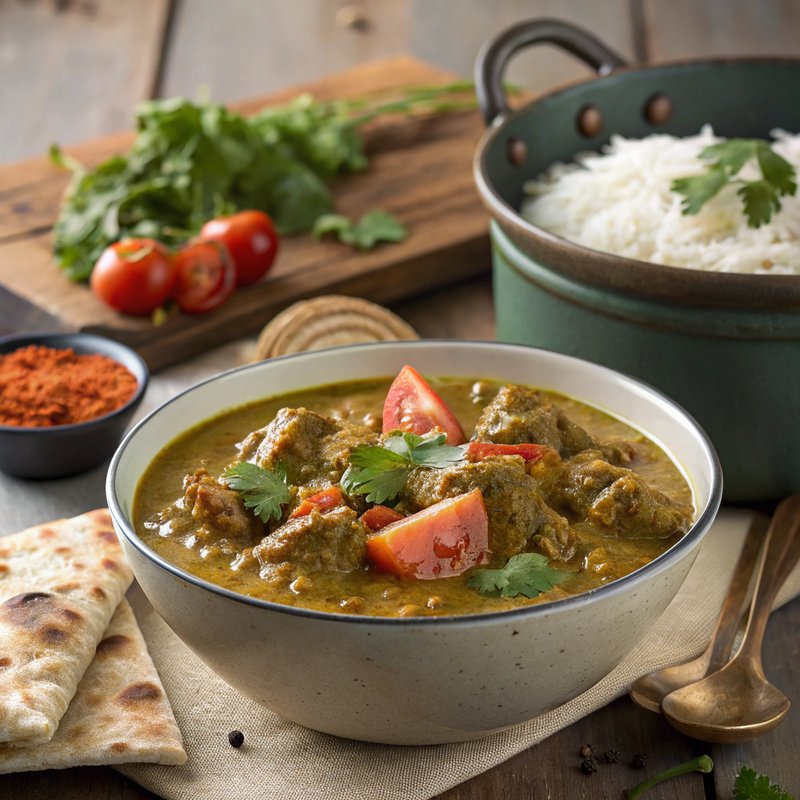
Serve hot in deep bowls, garnished with fresh cilantro and accompanied by a cup of chai.
Did You Know?
Githeri is so central to Kenyan life that it was served at state functions during the early independence era as a symbol of national identity.
Chef's Notes
Equipment Tips
- large pot
- wooden spoon
- cutting board
Garnishing
fresh cilantro, diced onion
Accompaniments
chapati, chai tea
The Story Behind Githeri
Githeri is one of Kenya's oldest dishes, originating among the Kikuyu people of central Kenya who cultivated both maize and beans as complementary crops. The combination provides complete protein, making it a nutritionally brilliant peasant dish. During British colonial rule, githeri sustained laborers and became a symbol of indigenous food wisdom. Today it remains a beloved everyday meal served at homes, schools, and roadside eateries across the country.



Comments (0)
Log in to leave a comment.
No comments yet. Be the first to share your thoughts!