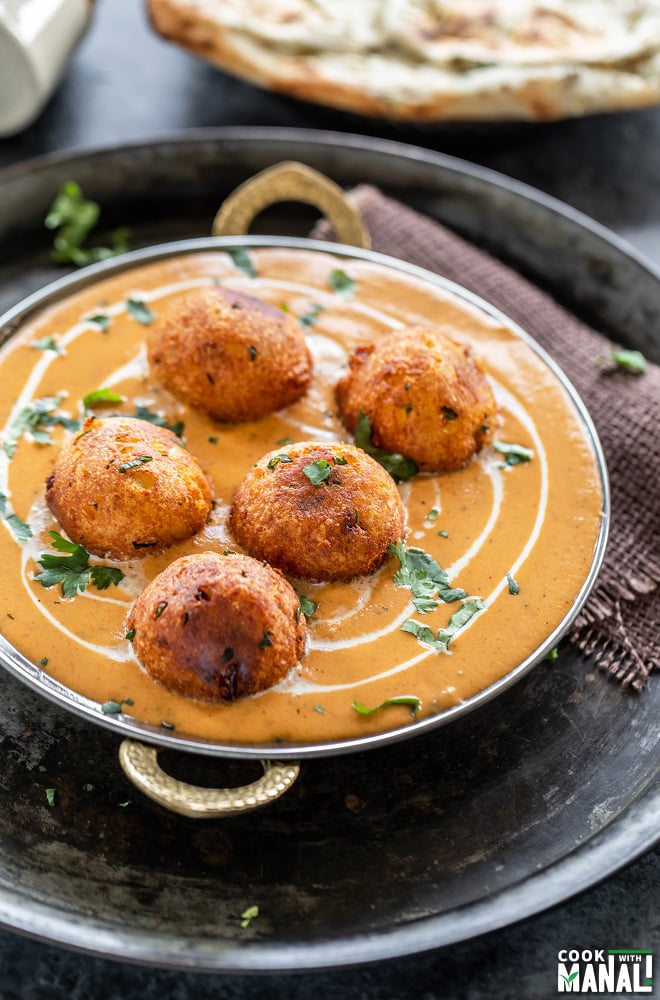
Malai Kofta
मलाई कोफ़्ता (mah-LYE KOFF-tah)
Cream Cheese Dumplings in Rich Gravy
Delicate fried dumplings of paneer and potato stuffed with nuts and raisins, bathed in a luxuriously creamy, mildly spiced tomato and cashew gravy. This royal Mughlai dish is Indian vegetarian cuisine at its most opulent.
Nutrition & Info
Allergen Warnings
Equipment Needed
Instructions
-
1
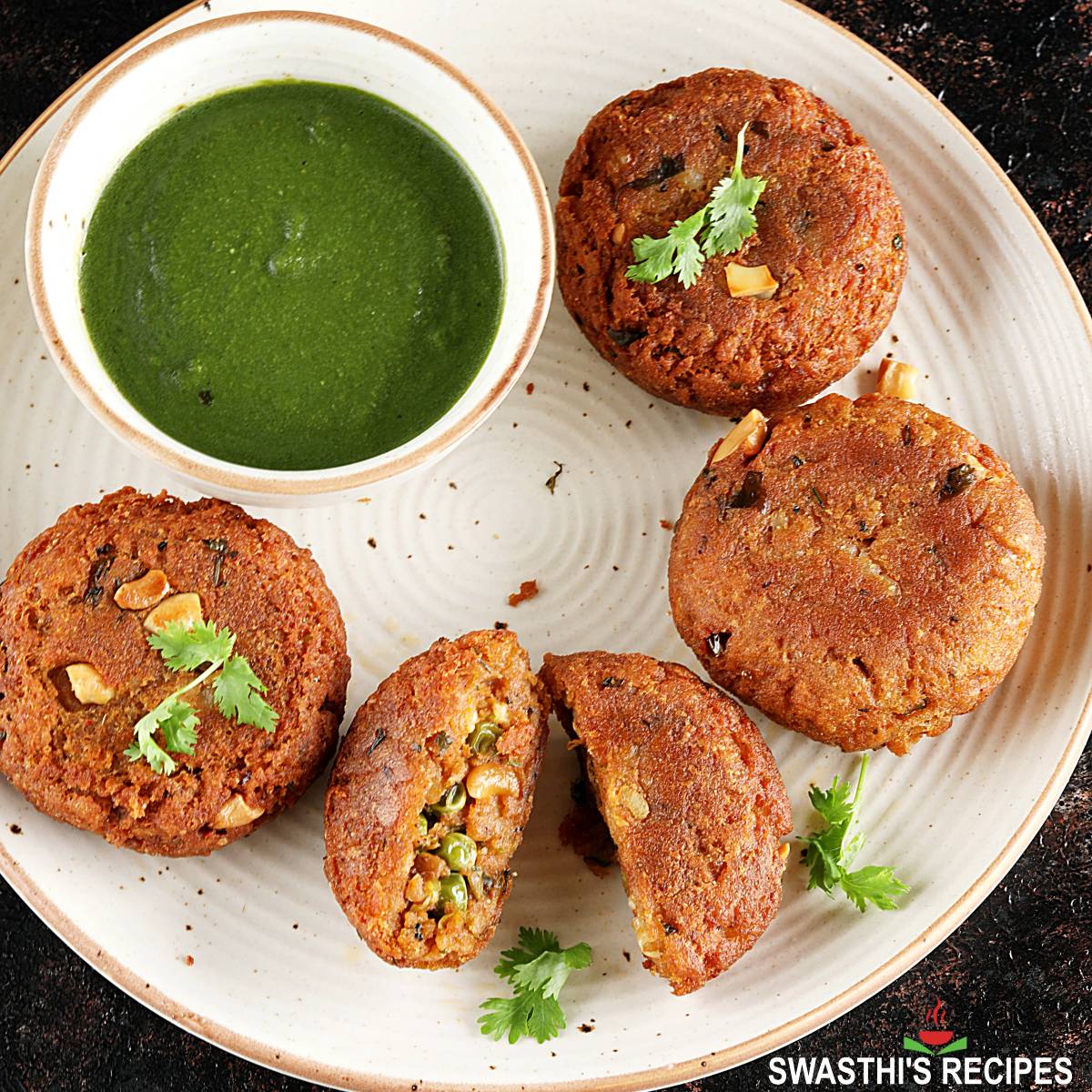
Combine crumbled paneer, mashed potato, cornstarch, and salt into a smooth dough. Take small portions, flatten them, place a few raisins and chopped nuts in the center, and roll into smooth balls.
-
2
Deep fry the kofta balls in hot oil at 170 degrees Celsius, turning gently until they are evenly golden brown on all sides, about four to five minutes. Drain on paper towels and set aside.
-
3
For the gravy, blend the fried onions, soaked cashew paste, and tomato puree into a completely smooth sauce. This forms the rich, velvety base that defines the character of the dish.
-
4
Heat butter in a pan, add the blended gravy mixture and cook on medium heat for twelve minutes, stirring frequently until the oil separates and the gravy develops a deep, glossy orange hue.
-
5
Stir in the cream, garam masala, and cardamom powder. Simmer on low heat for five minutes, adjusting consistency with water if needed. The gravy should be smooth enough to coat a spoon.
-
6
Gently place the fried kofta balls into the gravy just before serving to prevent them from becoming soggy. Garnish with a swirl of cream and chopped cilantro. Serve with naan or pulao.
Did You Know?
Malai kofta was originally created as a meat dish in Mughal royal kitchens, with kofta meaning meatball in Persian. Vegetarian Mughal courtiers requested a meatless version, and ingenious cooks substituted paneer and potato, creating a dish that many argue surpasses the original in both texture and flavor.
Chef's Notes
Equipment Tips
- deep fryer or heavy pot
- blender
- mixing bowl
The Story Behind Malai Kofta
Malai kofta is a masterpiece of Mughlai vegetarian cuisine, born in the royal kitchens where Persian culinary artistry met Indian vegetarian traditions. The word kofta comes from Persian, meaning pounded or ground meat, but Indian cooks brilliantly reimagined the concept using paneer and potatoes. The rich cashew and cream-based gravy reflects the Mughal love of luxurious, nut-thickened sauces that characterized imperial feasting. This dish became a symbol of celebration and hospitality in North Indian culture, reserved for weddings, festivals, and important gatherings where hosts wished to demonstrate generosity and culinary sophistication.
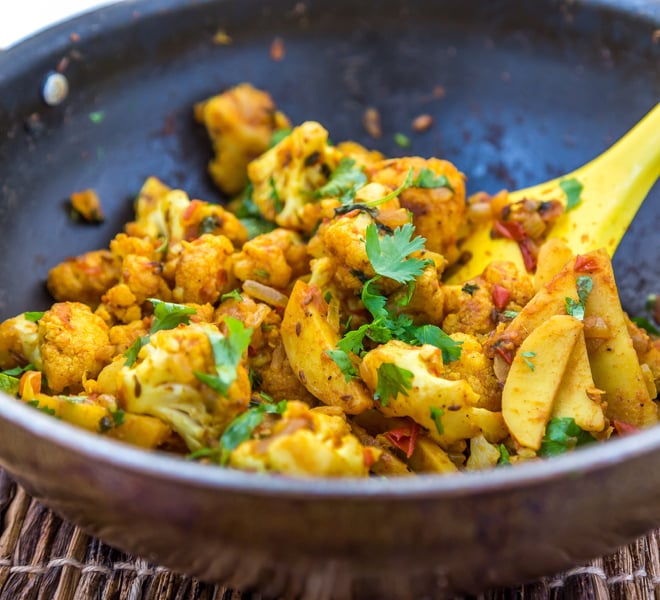
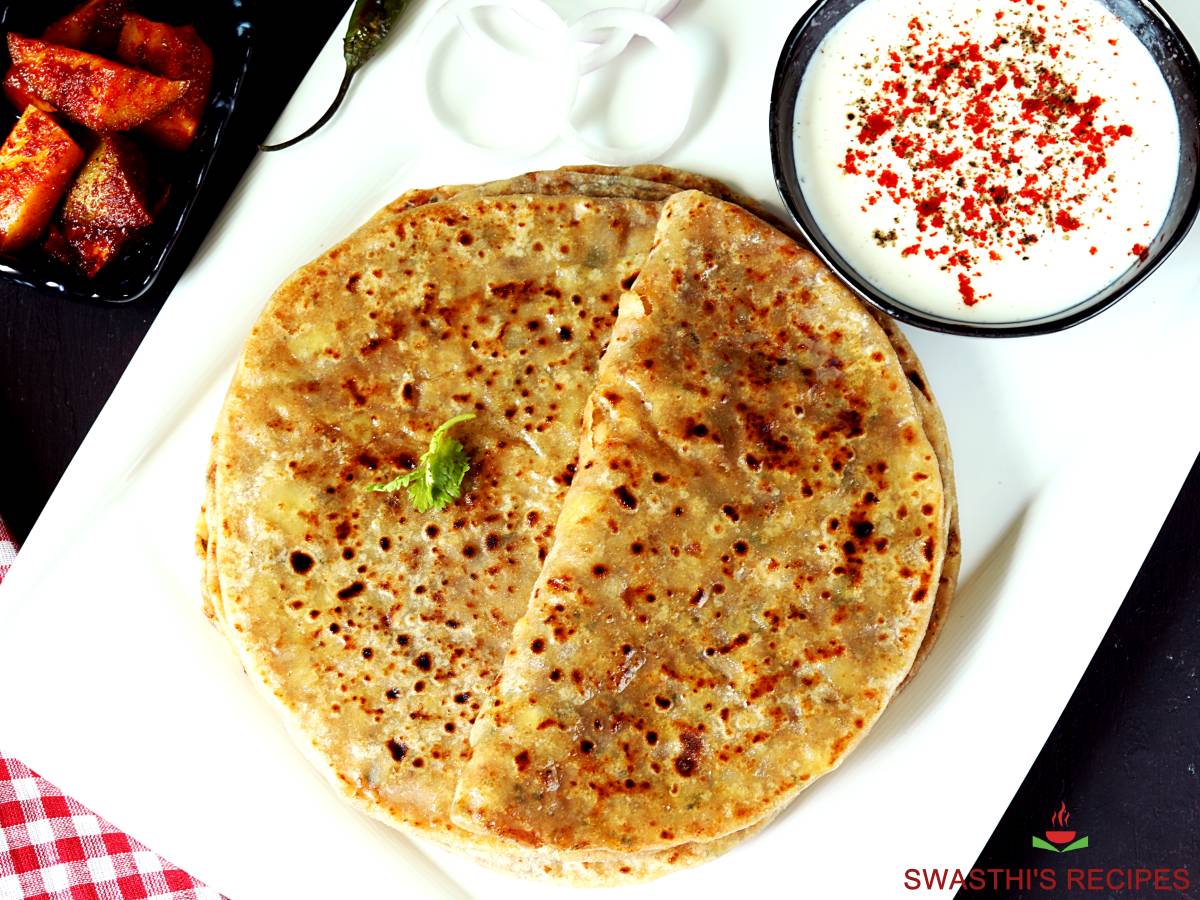
Comments (0)
Log in to leave a comment.
No comments yet. Be the first to share your thoughts!