
Bunjal Chicken
Bunjal Chicken (BUN-jal CHICK-en)
Dry-Fried Spiced Chicken
Chicken pieces marinated in a thick spice paste then fried dry without liquid until deeply caramelized and coated in a concentrated spice crust.
Instructions
-
1
Season chicken with curry powder, cumin, garam masala, garlic, ginger, lime juice, and salt. Massage well and marinate one hour.
-
2
Heat oil in a heavy skillet over medium-high heat. Add onion and cook until beginning to caramelize.
-
3
Add marinated chicken with all the spice paste. Do not add any water. Cover tightly and reduce heat to medium.
-
4
Cook fifteen minutes covered, then remove lid and increase heat. The chicken will release its own liquid.
-
5
Continue cooking uncovered, turning pieces frequently, until all liquid evaporates and chicken has a dry, spiced crust.
-
6
The finished dish should be deeply browned with no sauce, just concentrated spice coating each piece. Garnish with scallion.
Did You Know?
The word bunjal means to cook dry, and mastering this technique is considered a rite of passage for Guyanese home cooks.
The Story Behind Bunjal Chicken
Bunjal cooking is a technique unique to the Indo-Caribbean kitchen, where spiced meats are cooked without water until dry and intensely flavored. This method likely evolved from the need to preserve food in tropical climates before refrigeration. The dry-frying concentrates all the spice flavors into a crust on the meat, creating an intensity that wet curries cannot match.
More Guyanese Dishes
 Medium
📜 Story
Medium
📜 Story
Aloo Pie
Fried Potato-Stuffed Pastry
Breakfast, snack, or anytime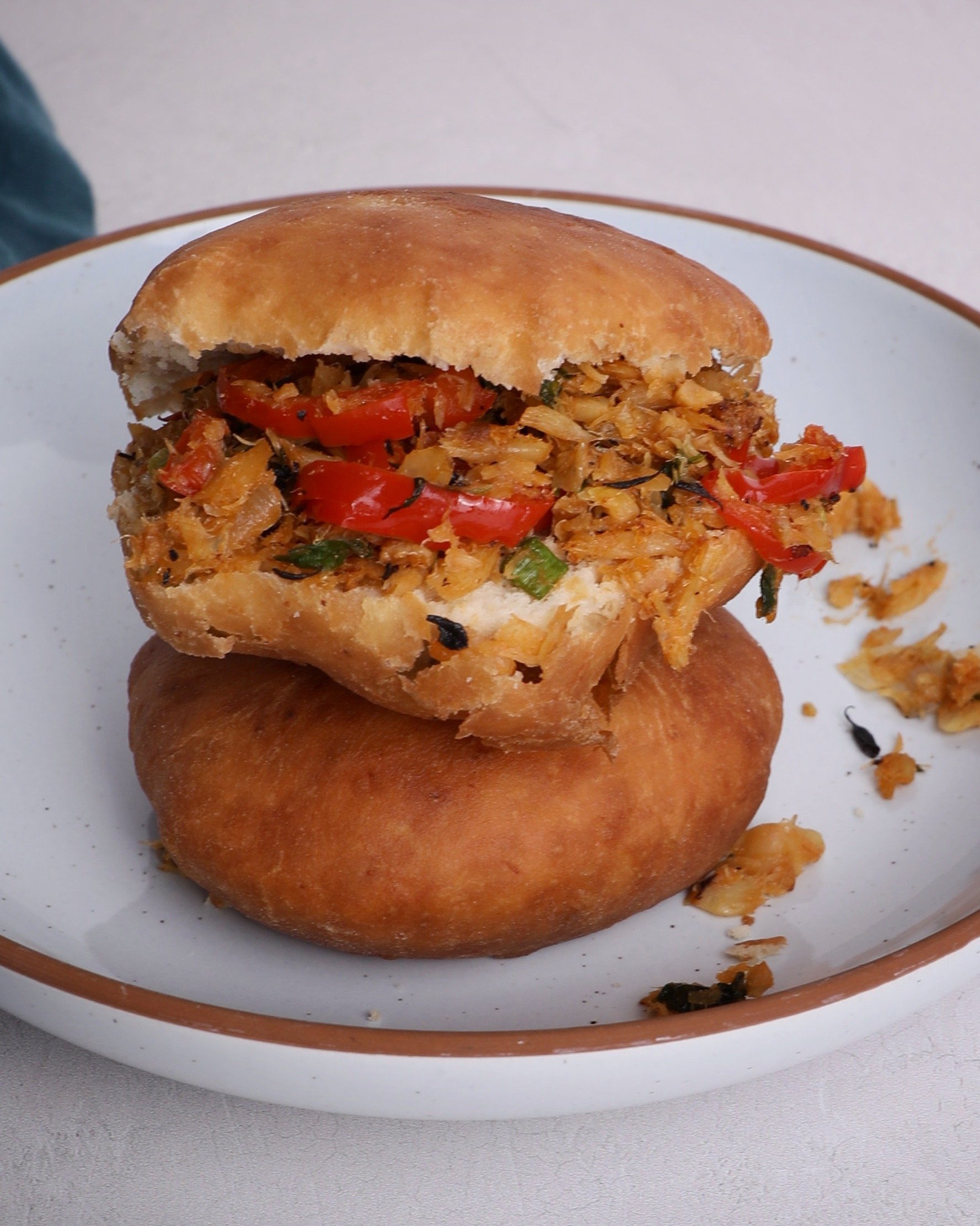 Medium
📜 Story
Medium
📜 Story
Bake and Saltfish
Fried Bread with Seasoned Salt Cod
Breakfast or weekend brunch Hard
📜 Story
Hard
📜 Story
Black Pudding with Rice
Spiced Blood Sausage with Seasoned Rice
Weekend breakfast or Christmas Hard
📜 Story
Hard
📜 Story
Cassava Bread
Flat Toasted Cassava Cake
Daily bread substitute
Comments (0)
Log in to leave a comment.
No comments yet. Be the first to share your thoughts!