
Tender goat meat slow-cooked in a fragrant curry with potatoes, onions, and island spices, reflecting the deep East Indian influence on Grenadian cuisine.
Instructions
-
1
Season goat with curry powder, garlic, ginger, cumin, garam masala, thyme, salt, and pepper. Marinate overnight for best results.
-
2
Heat oil in a Dutch oven. Sear goat pieces in batches until browned on all sides.
-
3
Add onion and cook until softened. Return all meat to the pot.
-
4
Add coconut milk, water, and whole Scotch bonnet. Bring to a boil, then reduce to a low simmer.
-
5
Cover and cook for two hours until the meat is nearly falling off the bone. Add potatoes in the last thirty minutes.
-
6
Uncover and simmer to thicken the curry sauce. Adjust seasoning and serve over rice.
Did You Know?
In Grenada, curry goat is the centrepiece of every significant celebration, and the person who makes the best curry goat in a family is treated with great respect.
The Story Behind Grenadian Curry Goat
Curry goat arrived in Grenada through East Indian indentured labourers who brought their spice traditions to the Caribbean. The dish adapted beautifully to the island, where goats roamed freely and thrived in the hilly terrain. Grenadian curry goat distinguishes itself from other Caribbean versions through its use of freshly ground local spices and the addition of coconut milk. It has become a unifying dish, equally beloved by Grenadians of all ethnic backgrounds.
More Grenadian Dishes
 Easy
📜 Story
Easy
📜 Story
Bake and Saltfish
Fried Bread with Sauteed Salt Cod
Breakfast Easy
📜 Story
Easy
📜 Story
Breadfruit Salad
Roasted Breadfruit and Herb Salad
Barbecue side or lunch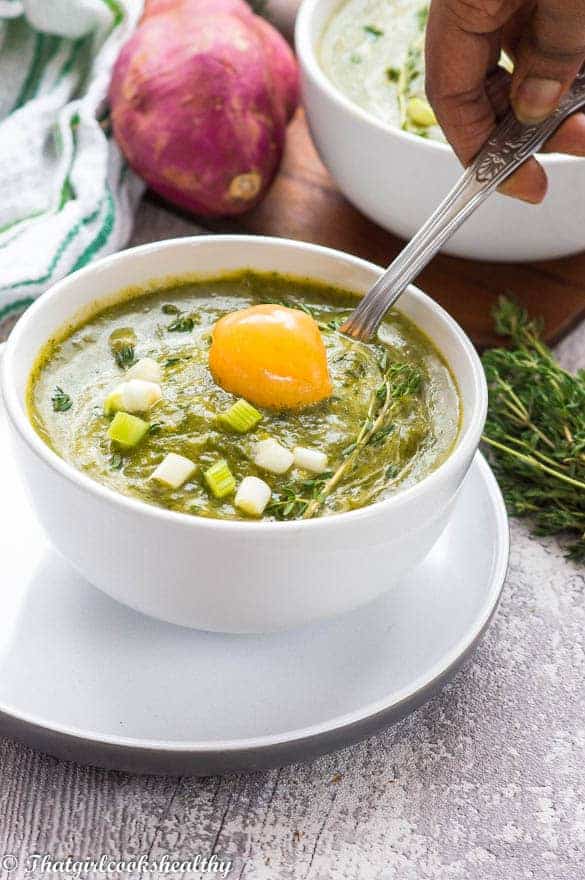 Medium
📜 Story
Medium
📜 Story
Callaloo Soup
Dasheen Leaf Soup with Crab
Sunday lunch Easy
📜 Story
Easy
📜 Story
Cocoa Tea
Grenadian Spiced Hot Chocolate
Breakfast or evening drink
Comments (0)
Log in to leave a comment.
No comments yet. Be the first to share your thoughts!