
Soft, chewy pretzels with a mahogany-brown crust from a lye bath, sprinkled with coarse salt. Best eaten still warm with sweet mustard and a cold wheat beer.
Nutrition & Info
Allergen Warnings
Equipment Needed
Presentation Guide
Vessel: wooden board or basket
Garnishes: coarse salt
Accompaniments: obatzda (beer cheese), sweet mustard
Instructions
-
1
Combine the warm water, yeast, and sugar in a large bowl. Let stand five minutes until foamy and active. Add the flour, softened butter, and salt. Mix until a dough forms, then knead on a floured surface for ten minutes until smooth, elastic, and slightly tacky.
-
2
Place the dough in a lightly oiled bowl, cover with a damp towel, and let rise in a warm place for one hour until doubled in size. The dough should be puffy and spring back slowly when poked gently with a flour-dusted finger.
-
3
Punch down the risen dough and divide into eight equal pieces. Roll each piece into a long rope about sixty centimetres long and slightly thicker in the middle than at the ends. Consistent thickness ensures even browning during baking.
-
4
Form each rope into a pretzel shape: create a U shape, then cross the ends over each other twice, and fold them down to press onto the bottom of the U. The traditional pretzel shape should have three holes and the crossed section at the bottom.
-
5
Bring one litre of water to a boil and add the baking soda. Carefully lower each pretzel into the simmering alkaline water for thirty seconds, flipping once. This bath creates the characteristic dark brown, chewy crust that defines an authentic German pretzel.
-
6
Place the boiled pretzels on parchment-lined baking sheets. Score a deep slash across the thickest part of each pretzel with a sharp knife or razor blade. Sprinkle generously with coarse salt crystals, pressing them gently into the surface.
-
7
Bake at 220C for twelve to fifteen minutes until the pretzels are deeply mahogany brown with a shiny, crackly crust and a soft, chewy interior. Serve warm with spicy German mustard and cold beer for the authentic Bavarian experience.
Did You Know?
Traditional Bavarian pretzels are dipped in a lye solution (Natronlauge) which creates their distinctive brown crust and unique flavor. Baking soda is the safer home substitute.
Chef's Notes
Equipment Tips
- mixing bowl
- baking sheet
- large pot for lye bath
- oven
Garnishing
coarse salt
Accompaniments
obatzda (beer cheese), sweet mustard
The Story Behind Brezel
The Story: The Brezel (pretzel) is one of Germany's most ancient and iconic breads: a loop of wheat dough that is briefly boiled in a lye solution, which gives it the distinctive dark brown, glossy crust and chewy interior, then sprinkled with coarse salt and baked until crackling. The pretzel's origins are debated but generally traced to medieval European monasteries, with the twisted shape said to represent arms crossed in prayer. The earliest documented pretzel traditions appear in southern Germany in the twelfth century, and the Swabian city of Bad Urach claims to be the birthplace. Pretzels became the symbol of the German bakers' guild.
On the Calendar: Pretzels are everyday food in Germany, particularly in Bavaria and Baden-Wurttemberg, where they accompany breakfast, serve as a beer garden snack, and appear at every Oktoberfest celebration. They are also traditional Lenten food, given their monastic origins.
Then & Now: The fundamental lye-dipping technique remains unchanged after centuries. While industrial pretzel production serves mass markets, German bakeries continue to hand-shape and freshly bake pretzels daily, and pretzel quality remains a source of fierce local pride.
Legacy: The Brezel is German baking at its most elemental: a simple loop of dough transformed by lye, salt, and fire into one of the world's most recognizable and satisfying breads.
More German Dishes
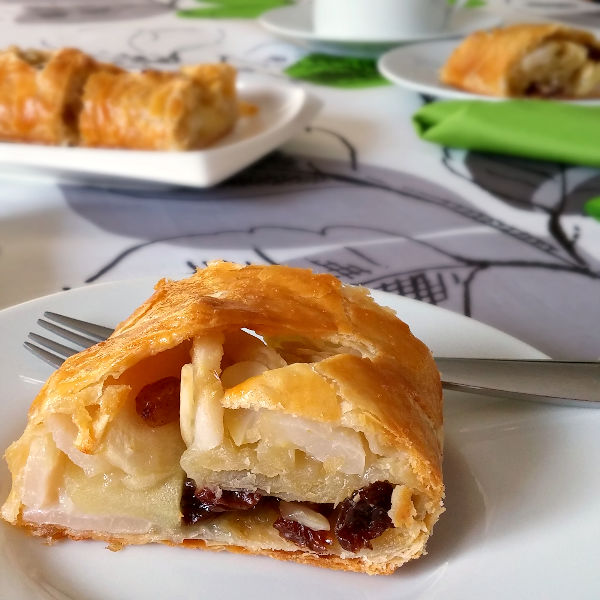 Hard
📜 Story
Hard
📜 Story
Apfelstrudel
Apple Strudel
Afternoon coffee or dessert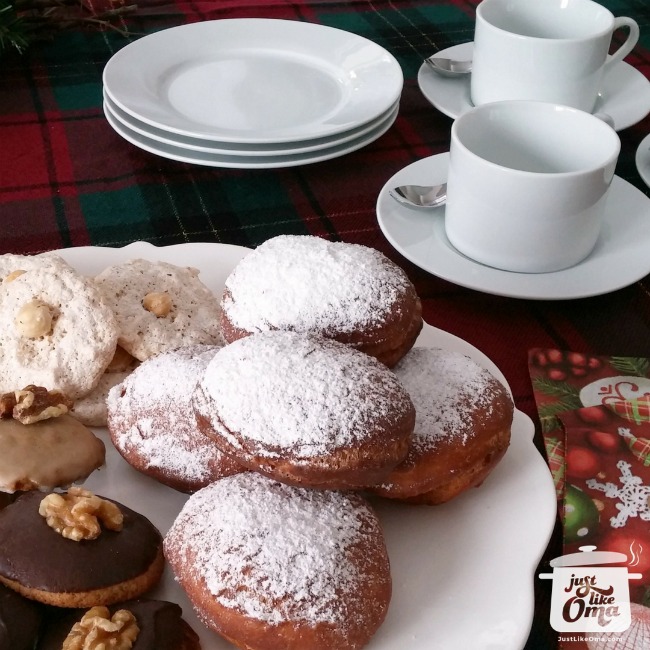 Medium
📜 Story
Medium
📜 Story
Berliner Pfannkuchen
Berlin Jelly Doughnut
Carnival (Karneval/Fasching) and New Year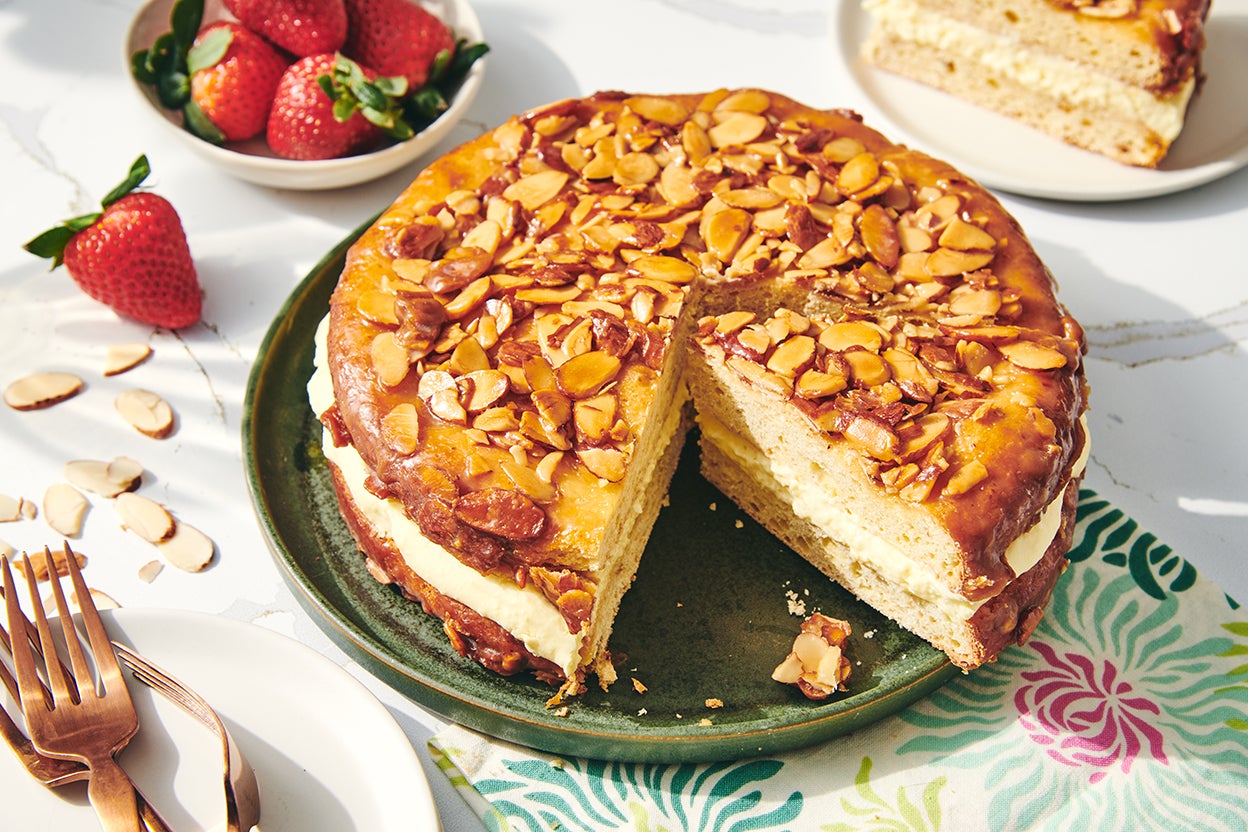 Hard
📜 Story
Hard
📜 Story
Bienenstich
Bee Sting Cake
Afternoon coffee (Kaffee und Kuchen)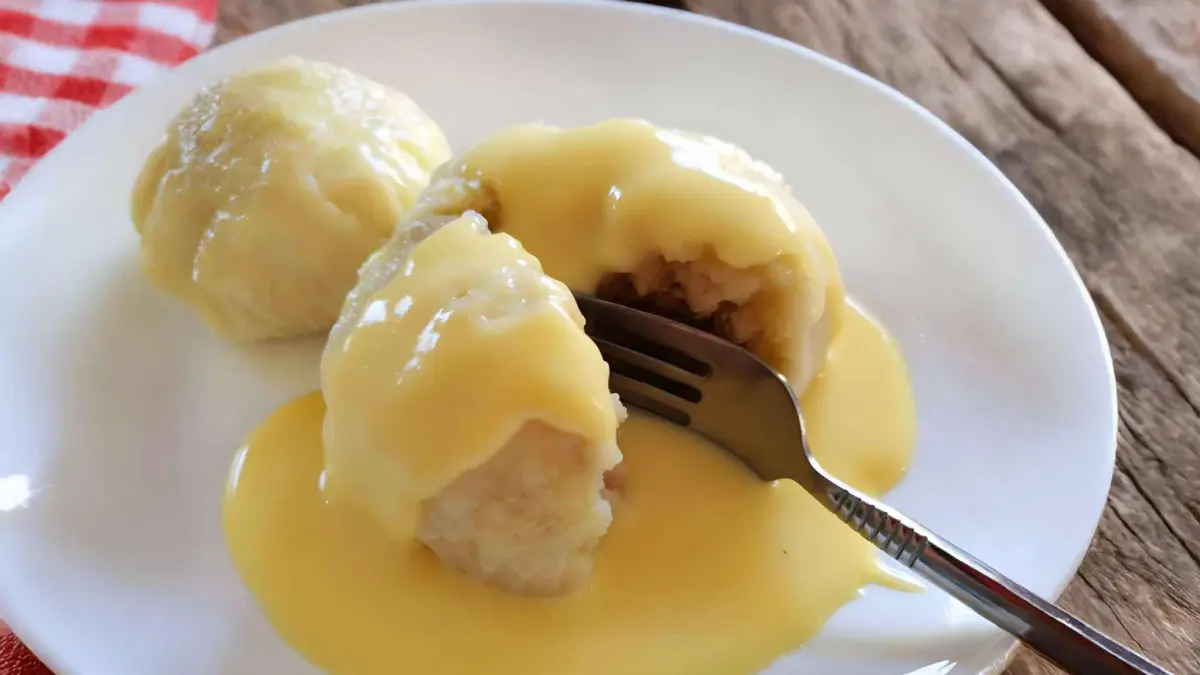 Medium
📜 Story
Medium
📜 Story
Dampfnudeln
Steamed Yeast Dumplings
Main course or dessert, especially in winter
Comments (0)
Log in to leave a comment.
No comments yet. Be the first to share your thoughts!