
A slow-baked casserole from southern France layering white beans, duck confit, lamb sausage, and aromatic vegetables under a golden, repeatedly broken breadcrumb crust.
Nutrition & Info
Equipment Needed
Presentation Guide
Vessel: traditional earthenware cassole
Garnishes: fresh thyme, golden crust
Accompaniments: crusty bread, green salad
Instructions
-
1
Drain soaked beans, cover with fresh water, bring to a boil. Simmer 45 min until just tender. Drain, reserve liquid.
-
2
Brown lamb shoulder and sausage in duck fat. Remove. Sauté onion, garlic, and carrots until soft.
-
3
Add tomatoes, stock, bay leaves, thyme, and beans. Simmer 30 min.
-
4
Layer beans, lamb, sausage, and duck confit in a large cassole. Pour over enough cooking liquid to just cover.
-
5
Top with breadcrumbs, drizzle with duck fat. Bake at 150°C (300°F) for 2.5 hours.
-
6
Every 30 min, break the golden crust and push it into the beans. The crust should form and be broken at least 3 times. Add liquid if needed.
-
7
Serve directly from the cassole, ensuring each portion gets duck, lamb, and a share of the crust.
Did You Know?
The cassoulet tradition demands the crust be broken and reformed at least seven times during baking — purists insist this is what transforms good cassoulet into great cassoulet.
Chef's Notes
Equipment Tips
- large cassole (earthenware dish)
- large pot
- fine sieve
Garnishing
fresh thyme, golden crust
Accompaniments
crusty bread, green salad
The Story Behind Cassoulet
Cassoulet originated in the Languedoc region during the Hundred Years War, when the town of Castelnaudary legendarily fortified its defenders with a communal bean stew. Three cities — Castelnaudary, Carcassonne, and Toulouse — each claim the definitive version.
More French Dishes
 Medium
📜 Story
Medium
📜 Story
Blanquette de Veau
Veal in White Sauce
Weekday family dinner Medium
📜 Story
Medium
📜 Story
Boeuf Bourguignon
Burgundy Beef Stew
Sunday lunch or dinner Hard
📜 Story
Hard
📜 Story
Bouillabaisse
Bouillabaisse
A lunch dish in Marseille, traditionally eaten near the port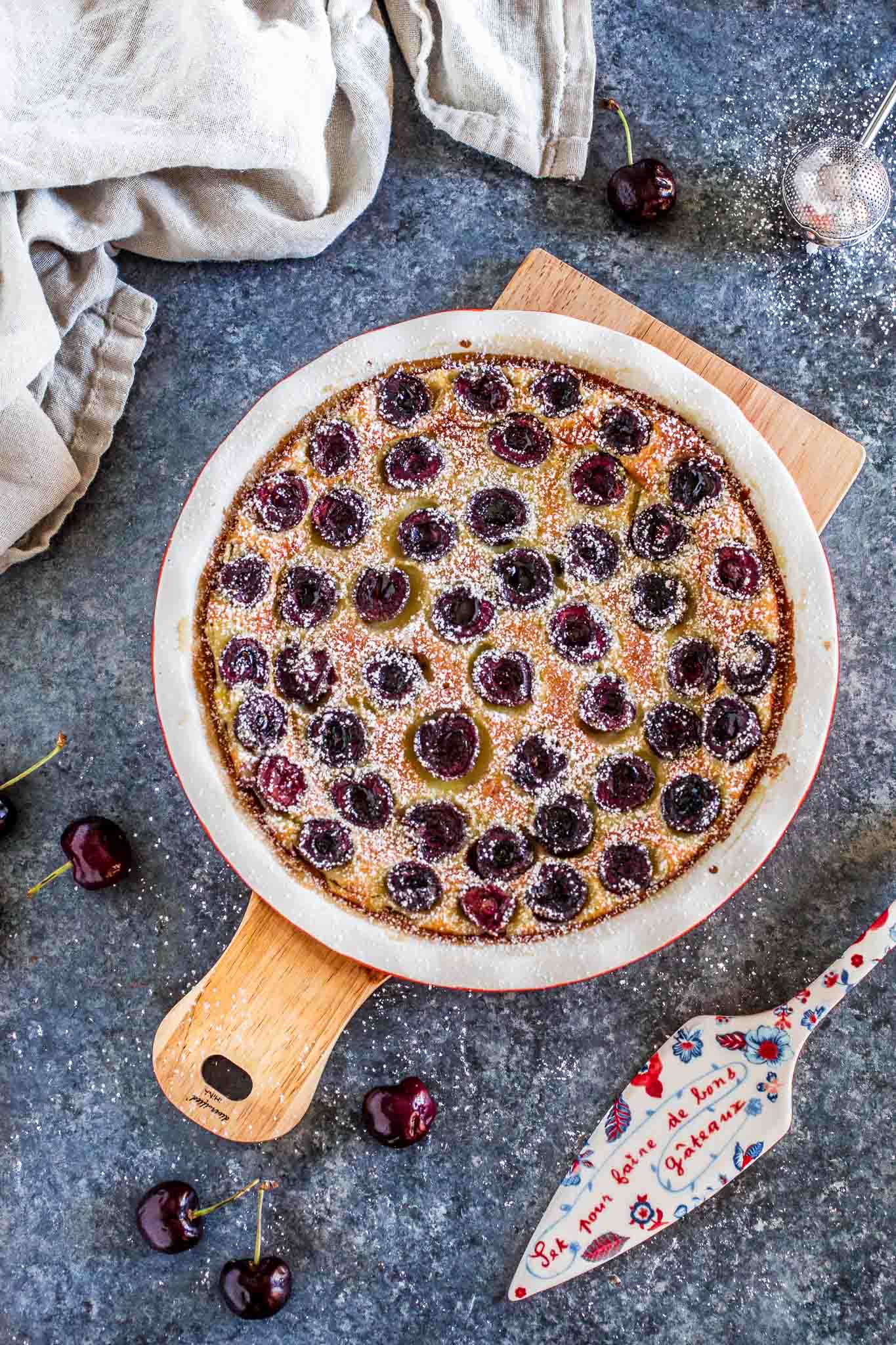 Easy
📜 Story
Easy
📜 Story
Clafoutis aux Cerises
Cherry Clafoutis
Dessert, summer
Comments (0)
Log in to leave a comment.
No comments yet. Be the first to share your thoughts!