
Blanquette de Veau
Blanquette de Veau (blahn-KET duh VOH)
Veal in White Sauce
Tender pieces of veal simmered in a delicate white stock and finished with a velvety sauce of cream, egg yolks, and lemon — the gentlest of French stews.
Nutrition & Info
Allergen Warnings
Equipment Needed
Presentation Guide
Vessel: deep white plate
Garnishes: chopped parsley, lemon zest
Accompaniments: steamed rice, buttered noodles
Instructions
-
1
Place veal in a pot, cover with cold water. Bring to a simmer, skim thoroughly for 5 min. Drain and rinse the veal.
-
2
Return veal to a clean pot. Add carrots, clove-studded onion, bouquet garni, and fresh water to cover. Simmer gently for 1.5 hours.
-
3
Meanwhile, sauté pearl onions and mushrooms in butter until lightly golden. Set aside.
-
4
Remove veal and strain the cooking liquid. Make a roux with butter and flour, whisk in 600ml of the strained stock. Simmer 10 min.
-
5
Whisk egg yolks and cream together. Temper with a ladle of hot sauce, then stir back into the pot. Add lemon juice.
-
6
Return veal, pearl onions, and mushrooms to the sauce. Heat gently without boiling. Season with salt, pepper, and nutmeg.
-
7
Serve over steamed rice or with buttered egg noodles.
Did You Know?
The word "blanquette" comes from "blanc" (white) — the entire cooking process is designed to keep the meat and sauce as pale as possible.
Chef's Notes
Equipment Tips
- large heavy pot
- fine sieve
- whisk
- saucepan
Garnishing
chopped parsley, lemon zest
Accompaniments
steamed rice, buttered noodles
The Story Behind Blanquette de Veau
Blanquette de veau is one of the grand motherly dishes of French cuisine, dating to the 18th century. Unlike brown stews, the veal is never browned, preserving its delicate colour and flavour. It represents the refined, gentle side of French home cooking.
More French Dishes
 Medium
📜 Story
Medium
📜 Story
Boeuf Bourguignon
Burgundy Beef Stew
Sunday lunch or dinner Hard
📜 Story
Hard
📜 Story
Bouillabaisse
Bouillabaisse
A lunch dish in Marseille, traditionally eaten near the port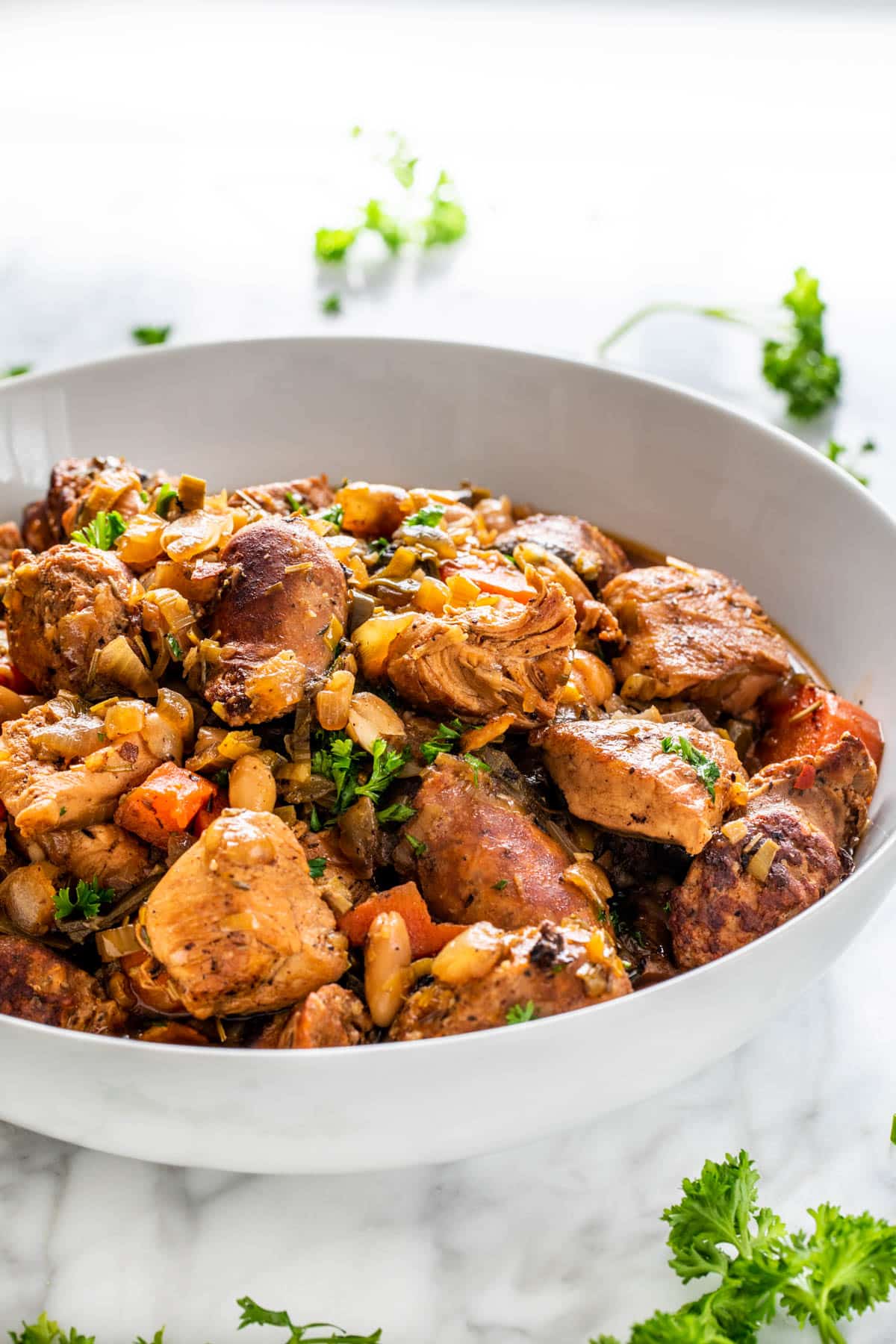 Hard
📜 Story
Hard
📜 Story
Cassoulet
Cassoulet
Winter lunch or dinner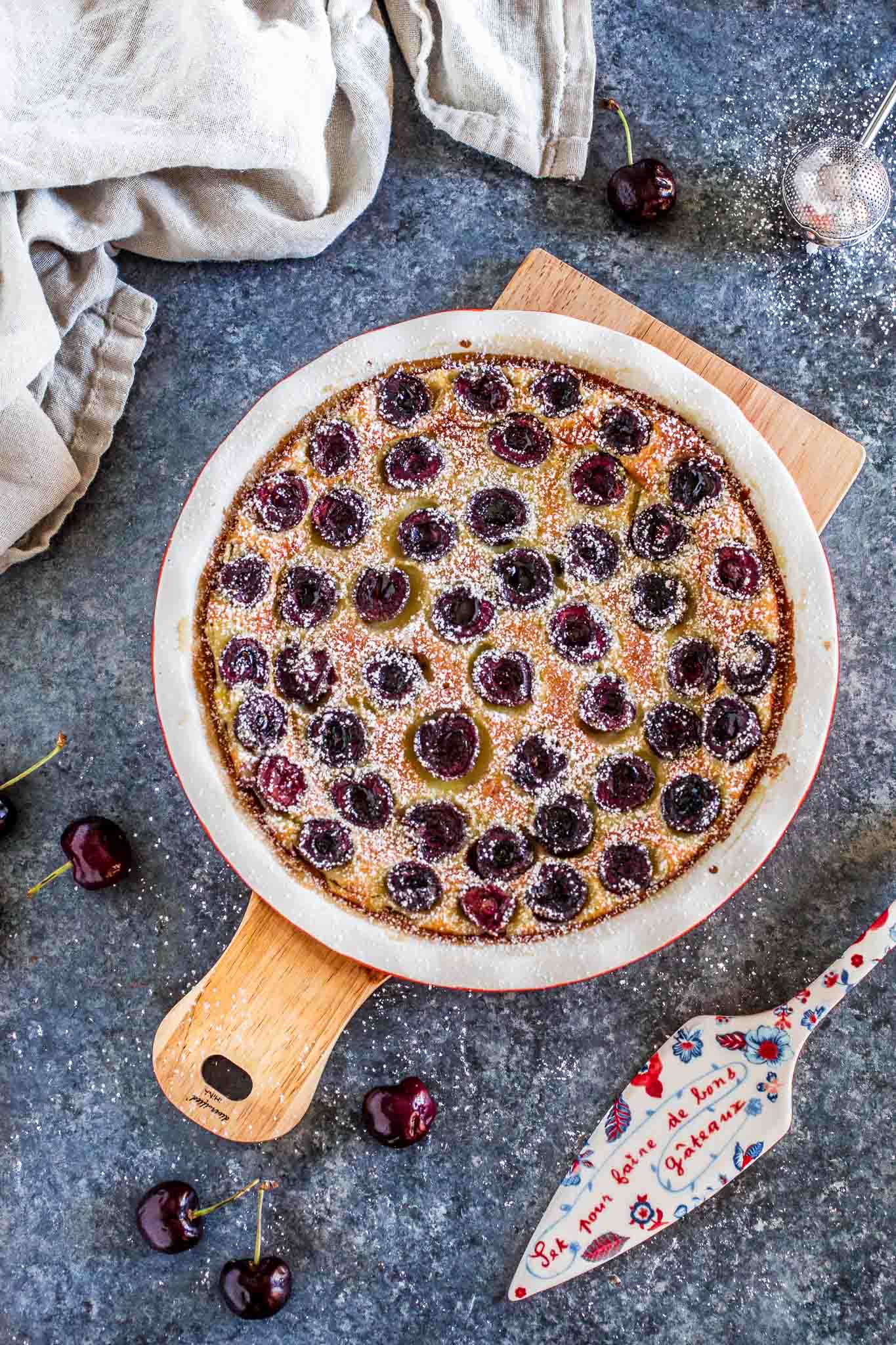 Easy
📜 Story
Easy
📜 Story
Clafoutis aux Cerises
Cherry Clafoutis
Dessert, summer
Comments (0)
Log in to leave a comment.
No comments yet. Be the first to share your thoughts!