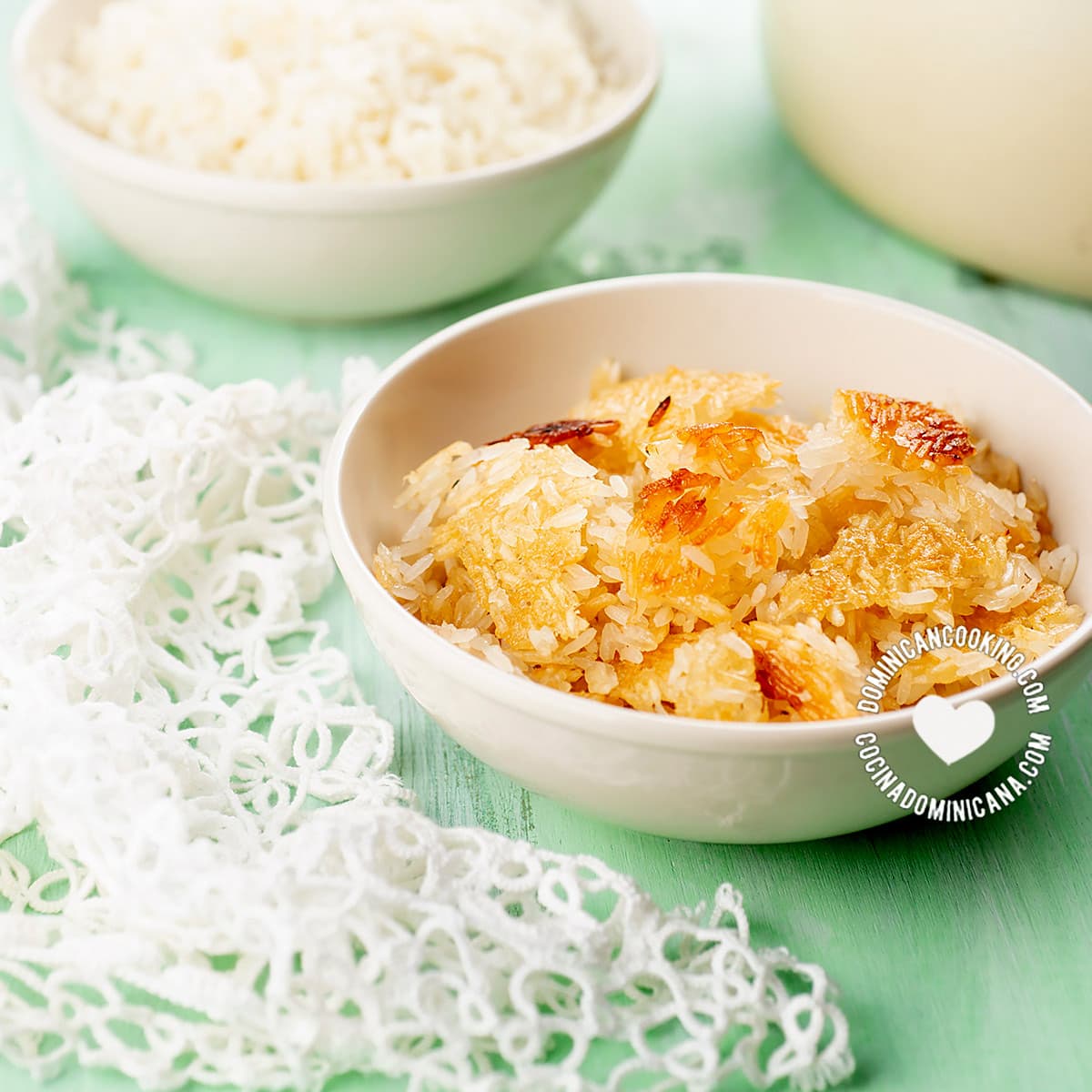
The prized golden-brown crust of rice that forms at the bottom of the caldero pot, considered a delicacy and the most fought-over portion at Dominican meals.
Nutrition & Info
Equipment Needed
Presentation Guide
Vessel: inverted on serving plate
Garnishes: none, served as is
Accompaniments: habichuelas guisadas, pollo guisado
Instructions
-
1
Bring water and salt to a boil in a caldero. Add rice and stir once. Boil until water is almost absorbed and small holes appear on surface.
-
2
Drizzle oil around the edges and over the top of the rice. Reduce heat to the lowest possible setting.
-
3
Cover with a tight-fitting lid. Do not open for at least twenty minutes while the crust forms.
-
4
After twenty minutes, check the bottom by gently tilting the pot. The rice should release a toasty aroma.
-
5
Continue cooking five more minutes if needed until the bottom is deep golden but not burned.
-
6
Invert the pot onto a plate to reveal the beautiful golden crust, or scrape it out in pieces to serve alongside the fluffy rice.
Did You Know?
In Dominican households, calling dibs on the concón is serious business, and the person serving the meal holds enormous power in distributing this coveted portion.
Chef's Notes
Equipment Tips
- caldero or heavy-bottomed pot
- wooden spoon
- tight-fitting lid
Garnishing
none, served as is
Accompaniments
The Story Behind Concón
Concón is perhaps the most uniquely Dominican contribution to rice culture worldwide. While other cuisines have similar concepts like the Persian tahdig or Korean nurungji, the Dominican obsession with achieving the perfect concón is unmatched. The heavy caldero pot, traditionally made of cast aluminum, is essential for creating the even heat distribution that produces a uniformly golden crust without burning. The skill to make perfect concón is considered the mark of a true Dominican cook.
More Dominican Dishes
 Medium
📜 Story
Medium
📜 Story
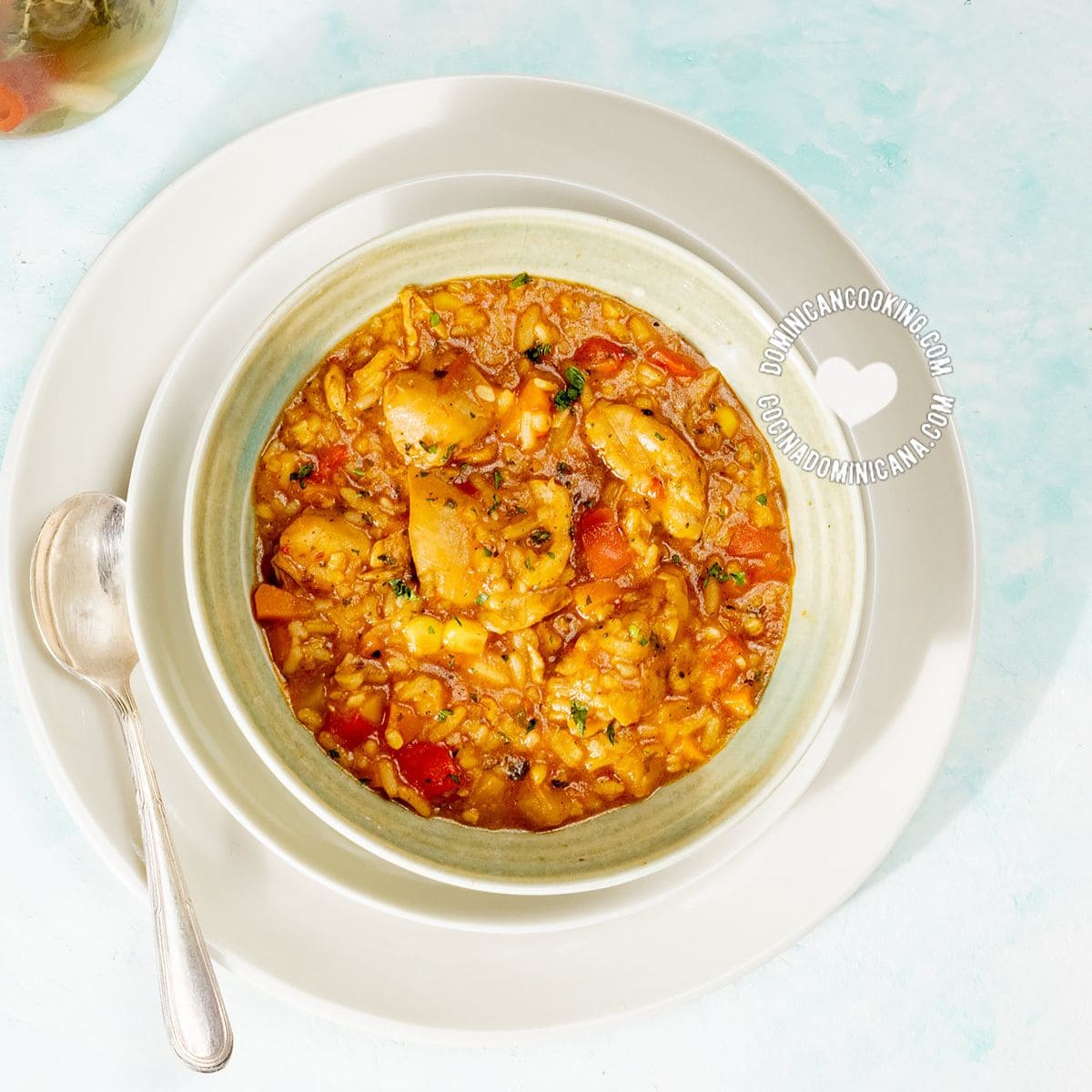
Asopao de Pollo
Dominican Chicken Rice Soup
Rainy days and when feeling unwell Hard
📜 Story
Hard
📜 Story
Bizcocho Dominicano
Dominican Cake
Birthdays, weddings, and celebrations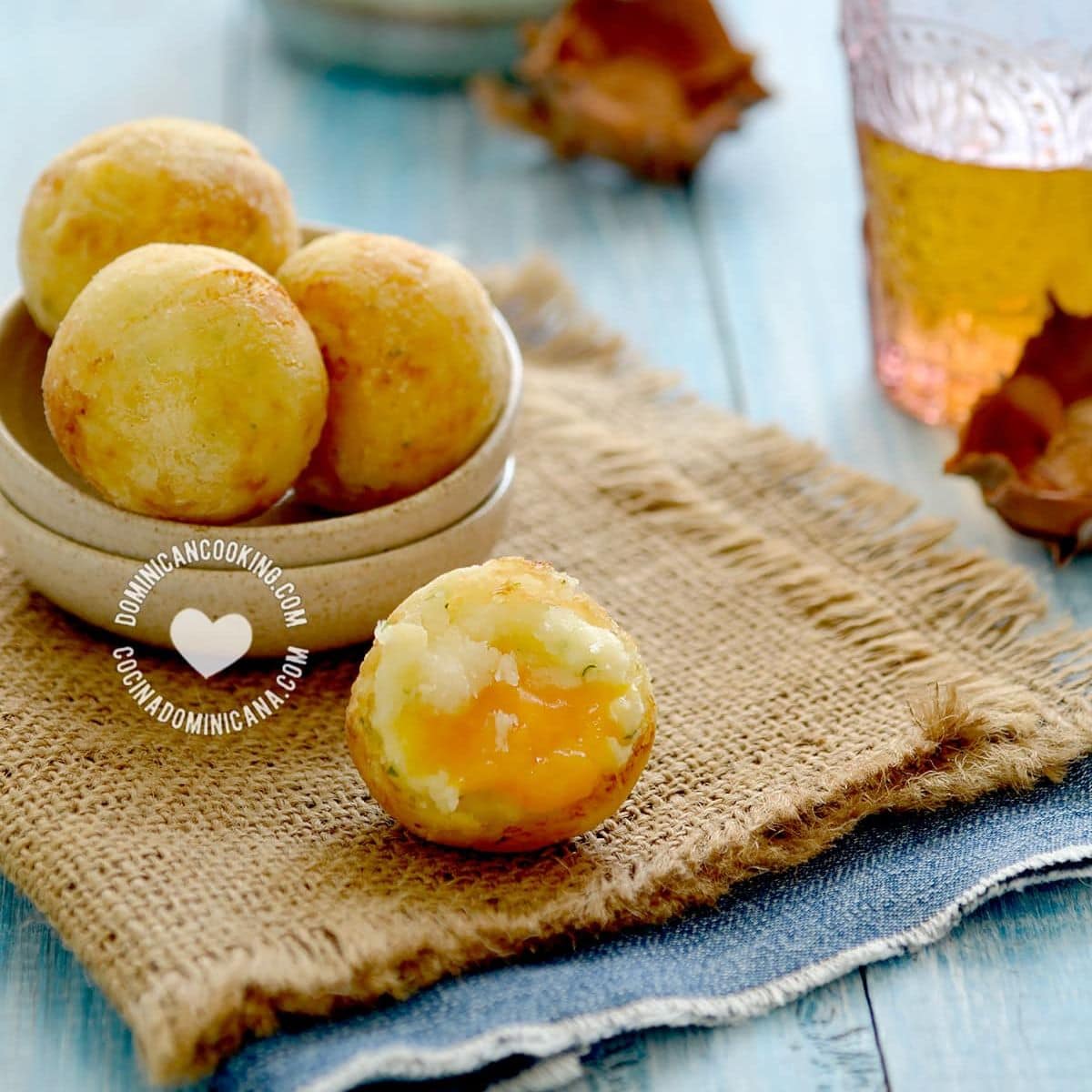 Medium
📜 Story
Medium
📜 Story
Bollitos de Yuca
Fried Yuca and Cheese Balls
Snack time or appetizer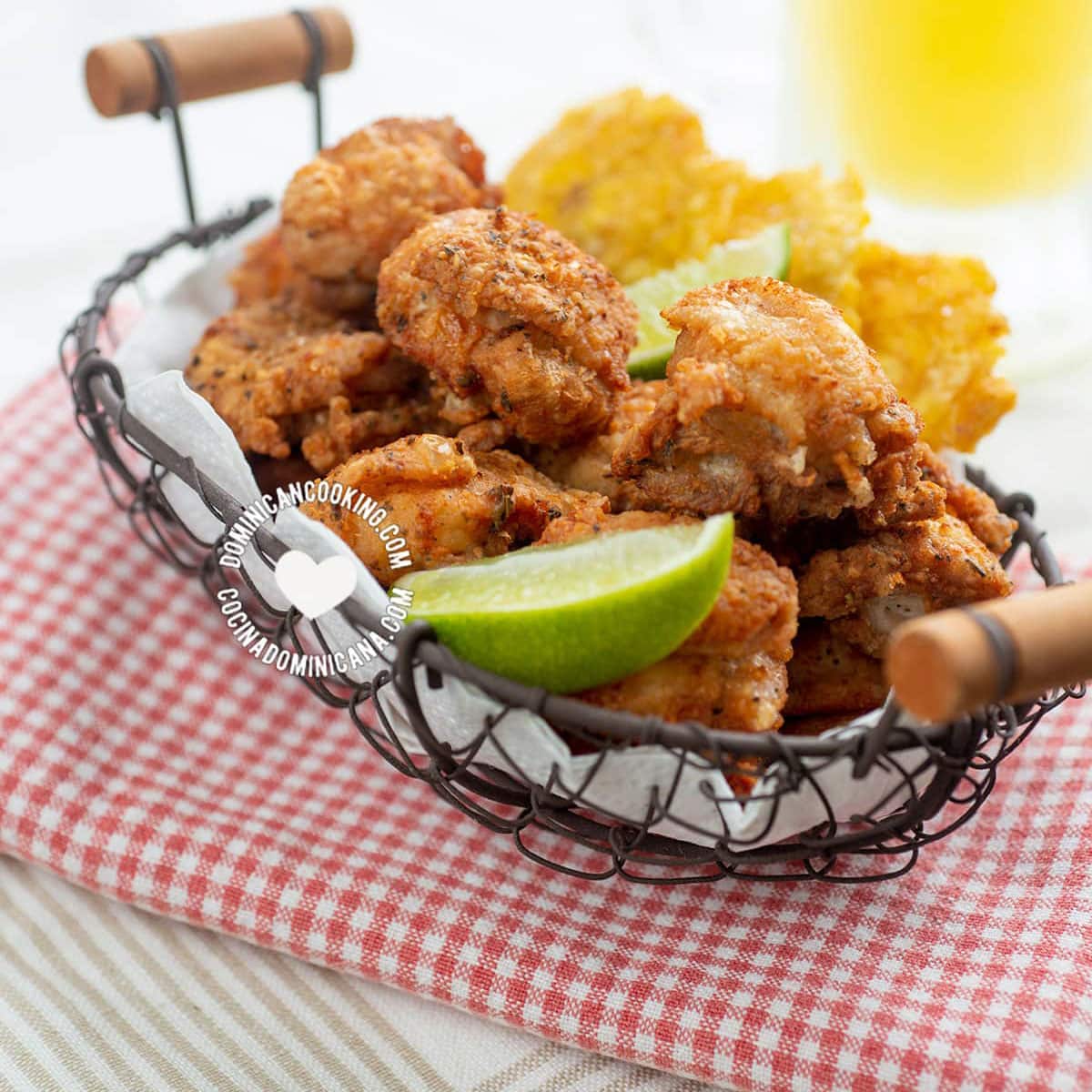 Easy
📜 Story
Easy
📜 Story
Chicharron de Pollo
Dominican Fried Chicken Bites
Lunch, dinner, or snack time
Comments (0)
Log in to leave a comment.
No comments yet. Be the first to share your thoughts!