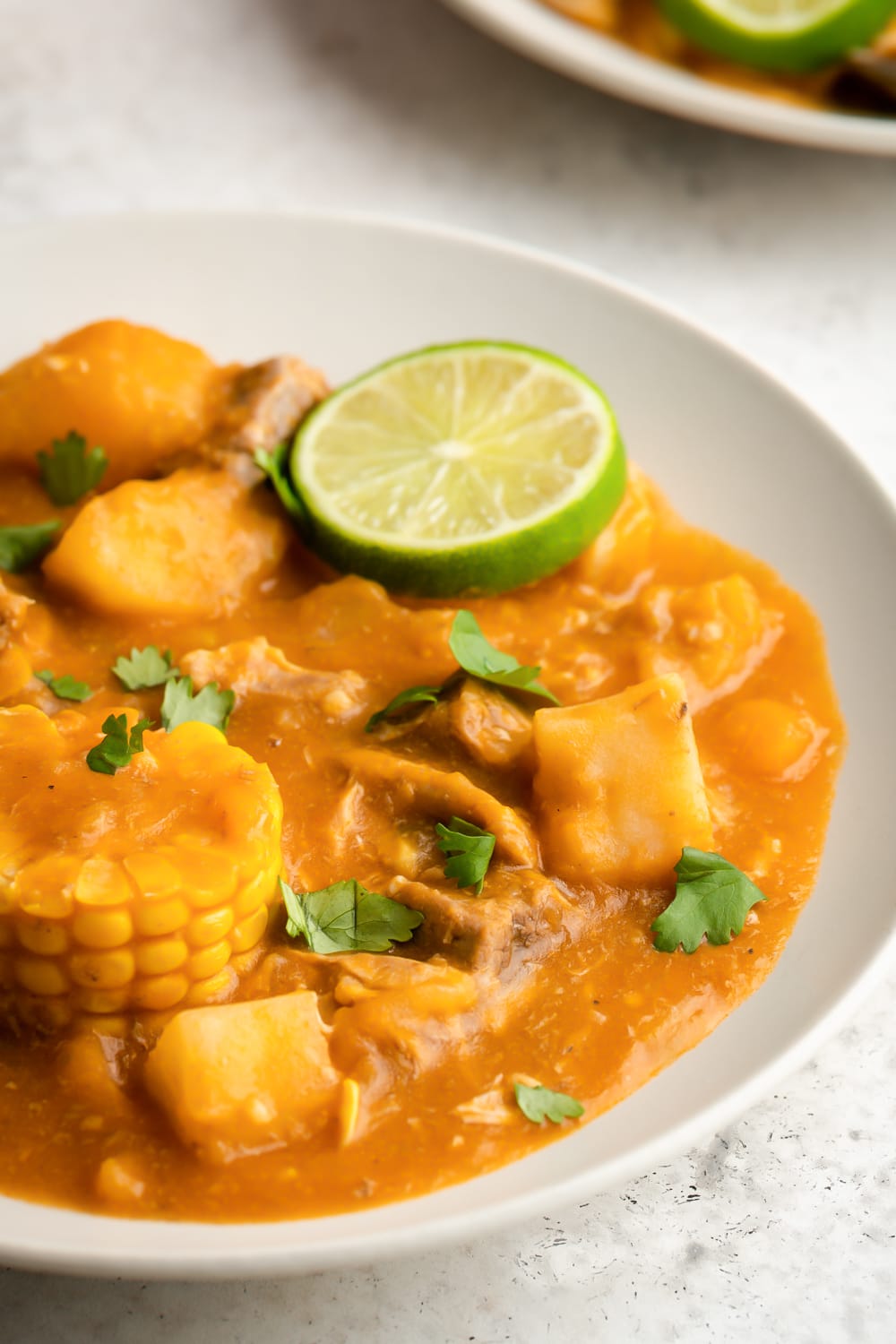
Ajiaco Cubano
Ajiaco Cubano represents the soul of Cuban comfort food, a deeply satisfying one-pot stew that embodies the island's agricultural heritage and culinary philosophy of harmony. This rustic dish features tender beef swimming in a rich, golden broth infused with the earthy sweetness of yuca and malanga, while the plantains add a subtle sweetness that balances the savory meat. The texture varies from the creamy, starchy root vegetables to the slightly chewy plantain rounds, creating a satisfying contrast with each bite. Traditionally served family-style in wooden bowls, it's often accompanied by rice and beans, reflecting the Cuban tradition of communal dining. The bright lime juice and fresh cilantro provide a refreshing counterpoint to the hearty flavors, making it both warming and cleansing. This dish is a testament to Cuba's agricultural abundance and the resourceful spirit of its people, who transformed simple ingredients into a celebration of their cultural identity.
Nutrition & Info
Instructions
-
1
Brown the beef cubes in oil in a large pot over high heat on all sides, then add the onion, garlic, and bell pepper, cooking for 5 minutes until softened.
-
2
Pour in the beef broth and enough water to cover the meat by 2 inches, bring to a boil, then reduce heat and simmer for 30 minutes until the beef is starting to become tender.
-
3
Add the yuca, malanga, and green plantains to the pot and continue simmering for 20 minutes, as these denser root vegetables need more time to cook through.
-
4
Add the ripe plantain rounds and corn pieces, cooking for another 15 to 20 minutes until all the vegetables are tender and the stew has thickened naturally from the starchy roots.
-
5
Stir in the lime juice and fresh cilantro, season with salt and pepper, and serve hot in deep bowls, making sure each serving has a mix of all the different roots and vegetables.
Did You Know?
The word 'ajiaco' literally means 'to cook with water' in the Taíno language, which is ironic since the dish is actually cooked in a rich, flavorful broth that's been simmered for hours with aromatic herbs and spices, making it one of the few dishes where the literal meaning of its name contradicts its actual preparation method.
The Story Behind Ajiaco Cubano
Ajiaco Cubano traces its roots to the indigenous Taíno people who first cultivated yuca and malanga, later adapted by Spanish colonizers into a staple dish. The name derives from the Taíno word 'ajiaco,' meaning 'to cook with water,' reflecting its traditional preparation method. This stew became particularly significant during the colonial period when enslaved Africans and indigenous peoples combined their culinary traditions, creating a dish that represents the multicultural essence of Cuban cuisine. The dish gained prominence in rural Cuban households, where it served as both nourishment and cultural preservation.



Comments (0)
Log in to leave a comment.
No comments yet. Be the first to share your thoughts!