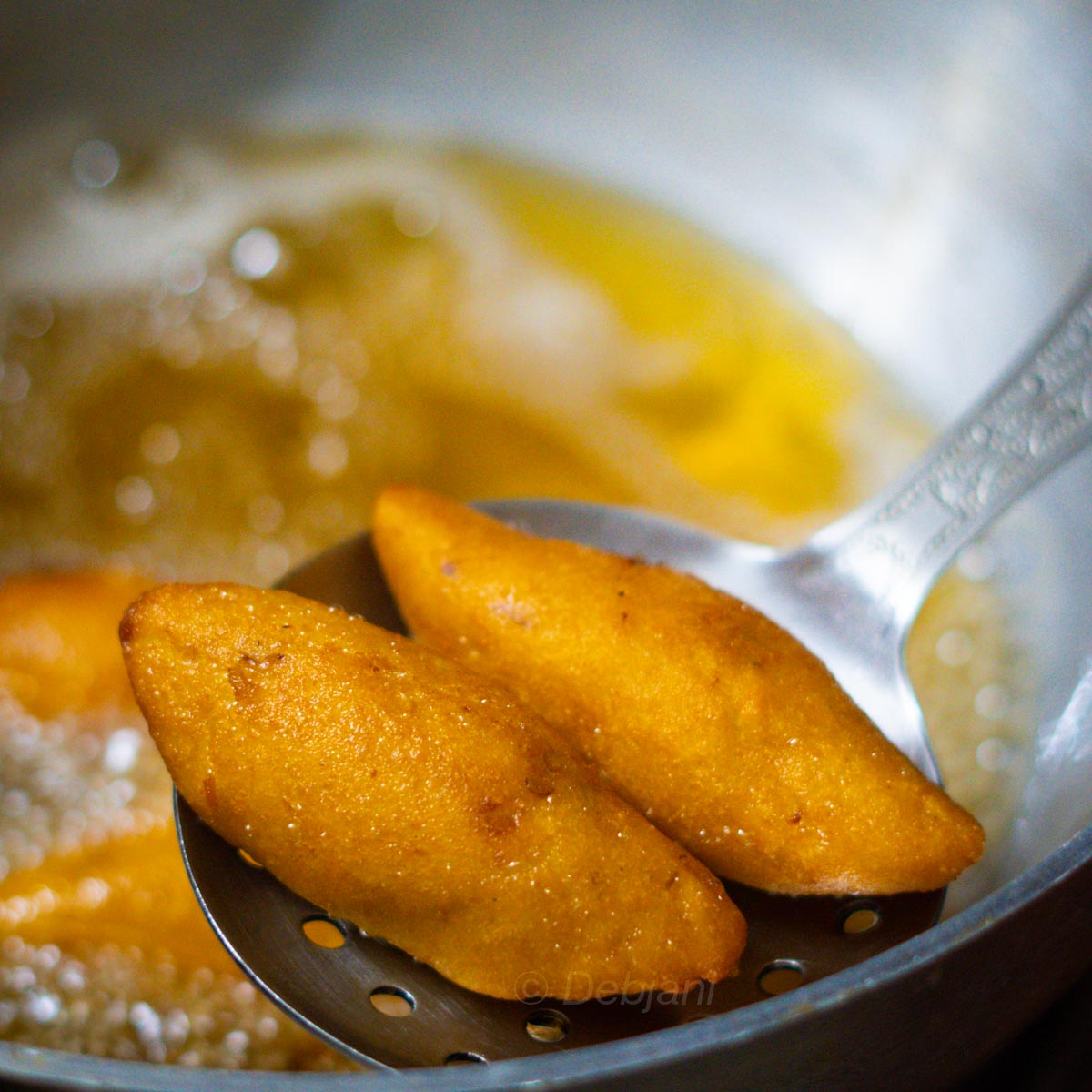
Delicate rice flour cakes filled with sweetened coconut and date palm jaggery, steamed or fried to perfection. These beloved Bangladeshi treats are the taste of winter celebrations, each variety a small edible jewel that connects modern Bangladesh to its ancient agrarian roots.
Nutrition & Info
Allergen Warnings
Equipment Needed
Presentation Guide
Vessel: flat plate or basket
Garnishes: grated coconut, date molasses drizzle
Accompaniments: tea, mishti doi
Instructions
-
1
Prepare the filling: combine grated coconut and crumbled jaggery in a pan over low heat. Stir constantly until the jaggery melts and the coconut absorbs it, creating a sticky, aromatic filling. Add cardamom and remove from heat. Let cool.
-
2
Make the dough: place rice flour in a bowl with a pinch of salt. Gradually add warm water, mixing with your hands until you achieve a soft, pliable dough that holds together without cracking. Cover and rest for 10 minutes.
-
3
For steamed pitha (bhapa pitha): take a small ball of dough, flatten it in your palm, place a spoonful of coconut-jaggery filling in the center, and seal into a half-moon or round shape. Ensure edges are well sealed.
-
4
Soften banana leaves over a flame or in hot water. Wrap each pitha in a piece of banana leaf. Arrange in a steamer basket.
-
5
Steam over rapidly boiling water for 15-20 minutes until the rice flour dough becomes translucent and cooked through. The banana leaves will impart a subtle, grassy fragrance.
-
6
For fried pitha (teler pitha): make a thin batter with rice flour and water. Pour small rounds into hot oil, add a dab of filling, fold, and fry until golden and crispy on both sides.
-
7
Serve warm or at room temperature. Steamed pitha are traditionally enjoyed with a drizzle of date palm jaggery syrup, while fried pitha are delightful on their own. Best eaten the day they are made.
Did You Know?
Pitha season in Bangladesh coincides with the winter harvest of date palm jaggery (khejur gur), typically November through February. Families gather for 'pitha utshob' (pitha festivals), where grandmothers teach young women the intricate art of making dozens of pitha varieties.
Chef's Notes
Equipment Tips
- pitha mold
- steamer
- mixing bowls
- grater
Garnishing
grated coconut, date molasses drizzle
Accompaniments
The Story Behind Pitha
The Story: Pitha encompasses a vast family of traditional rice cakes, pancakes, and dumplings that represent some of the oldest food traditions in Bengal. Made primarily from rice flour and often filled with sweetened coconut, date palm jaggery, or sesame, pithas are deeply tied to agricultural cycles and seasonal celebrations. Varieties include bhapa pitha (steamed), pakan pitha (fried), and chitoi pitha (griddle-cooked), among dozens of regional forms.
On the Calendar: Pitha season coincides with the winter harvest and the Poush Sankranti festival (mid-January), when newly harvested rice is ground into flour and combined with fresh date palm jaggery. Pitha festivals (pitha utsav) are held across Bangladesh during this season.
Then & Now: While pitha-making was once a communal activity where women gathered to prepare dozens of varieties, urbanization has reduced its everyday presence. However, pitha festivals and renewed cultural interest have helped preserve these traditions, and dedicated pitha shops now operate year-round in Dhaka.
Legacy: Pitha is the edible archive of Bengali agricultural tradition, a food that connects the modern table to the ancient rhythms of rice cultivation, harvest, and community.


Comments (0)
Log in to leave a comment.
No comments yet. Be the first to share your thoughts!