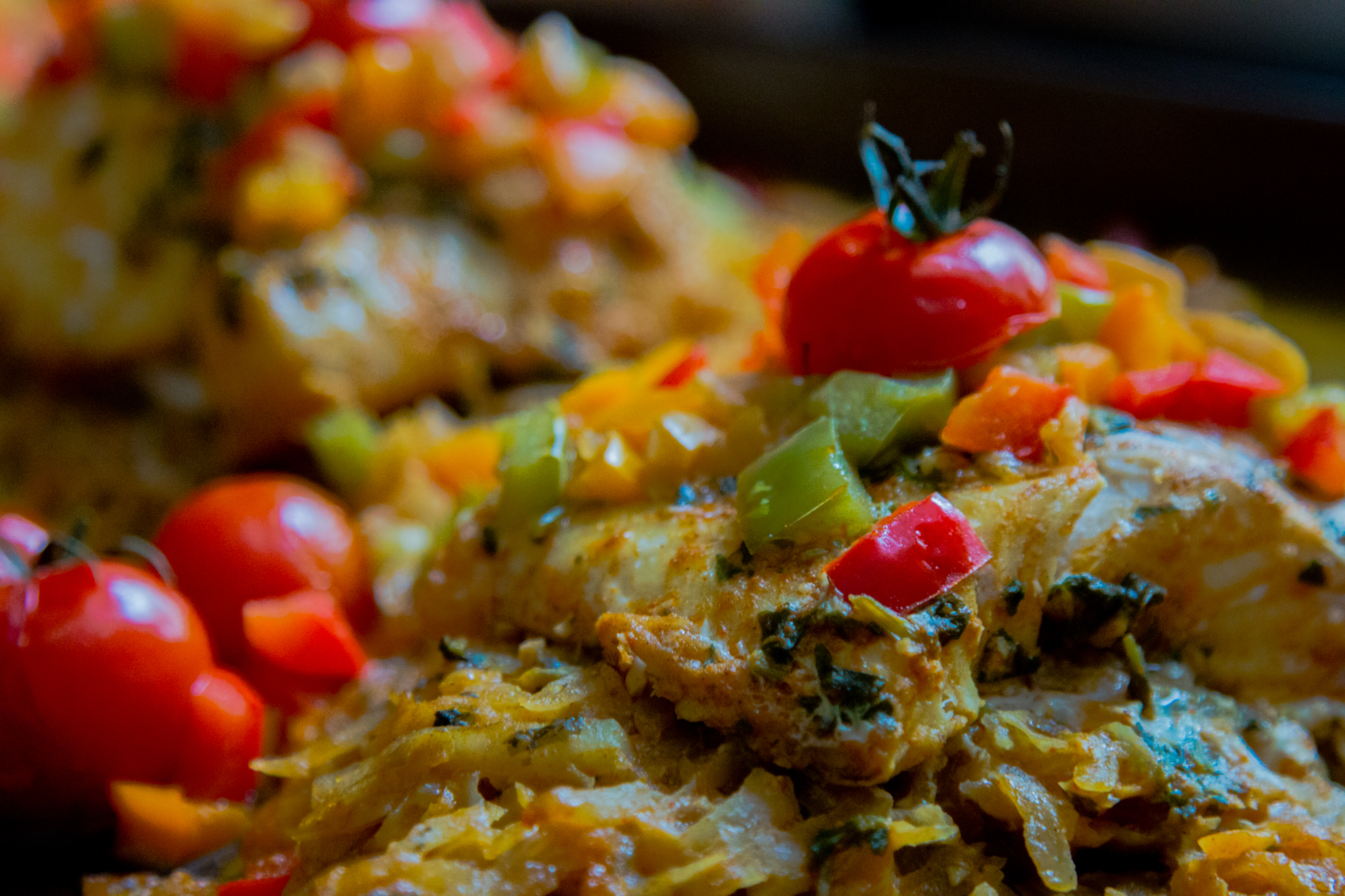
Tiny dried kapenta fish from Lake Kariba, sautéed with tomatoes, onions, and seasoning until crispy and savory, a beloved protein source.
Nutrition & Info
Allergen Warnings
Equipment Needed
Presentation Guide
Instructions
-
1
Rinse dried kapenta briefly in cold water and drain well. Do not soak, as they should stay firm.
-
2
Heat oil in a skillet over medium heat, sauté onions until translucent, about four minutes.
-
3
Add tomatoes and green pepper, cook until softened and forming a sauce, roughly five minutes.
-
4
Add kapenta and curry powder, stir gently to combine without breaking the tiny fish apart too much.
-
5
Cook for eight to ten minutes, stirring occasionally, until fish are heated through and slightly crispy.
-
6
Season with salt and serve immediately with sadza and a vegetable relish on the side.
Did You Know?
Lake Kariba produces thousands of tonnes of kapenta annually, making it one of Zimbabwe's most important fisheries.
Chef's Notes
Equipment Tips
- skillet
- wooden spoon
- cutting board
Garnishing
lemon wedge
Accompaniments
sadza, tomato relish
The Story Behind Matemba
Matemba became a dietary staple after the construction of the Kariba Dam in the late 1950s created one of the world's largest artificial lakes. The kapenta sardine was introduced to Lake Kariba and thrived, creating a massive fishing industry. Drying the fish allowed them to be transported and sold across landlocked Zimbabwe, providing affordable protein to millions. The dish represents how modern infrastructure reshaped traditional Zimbabwean cuisine.


Comments (0)
Log in to leave a comment.
No comments yet. Be the first to share your thoughts!