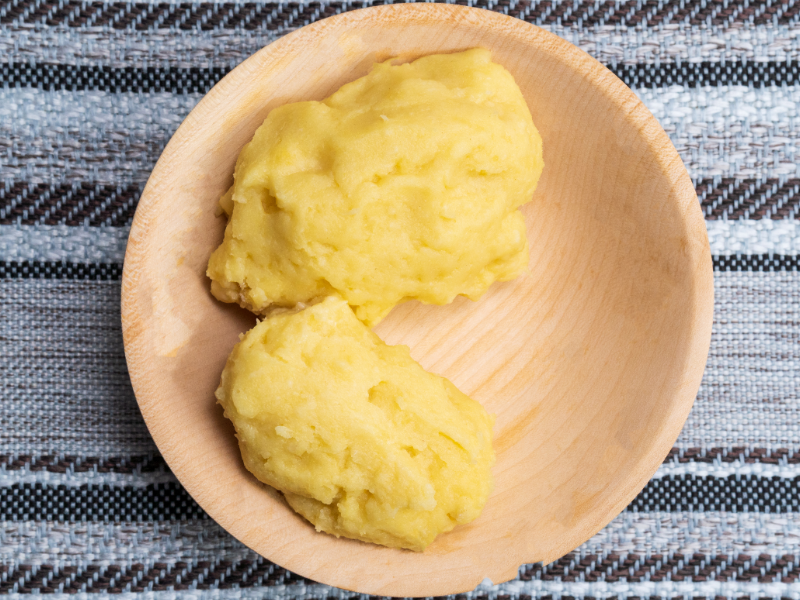
Nshima ne Ifisashi
Nshima ne Ifisashi (n-SHEE-mah neh ee-fee-SAH-shee)
Maize Porridge with Greens in Peanut Sauce
Thick nshima served with leafy greens cooked in a creamy groundnut sauce. The vegetarian staple of Zambian cooking.
Nutrition & Info
Allergen Warnings
Equipment Needed
Presentation Guide
Vessel: shared plate with nshima mound and relish
Accompaniments: dried fish, beans
Instructions
-
1
Begin the nshima by bringing four cups of water to a rolling boil in a large heavy pot. Sprinkle in a small handful of maize meal while stirring constantly with a sturdy wooden spoon to create a thin, lump-free porridge as the initial base.
-
2
Reduce the heat to medium-low and continue adding the remaining maize meal gradually in small amounts while stirring vigorously. The mixture will become increasingly thick and stiff, requiring real effort to stir as it approaches the correct consistency.
-
3
Continue cooking and stirring the nshima for eight to ten minutes until it is very thick, smooth, and pulls away cleanly from the sides of the pot. Cover with a lid and let it steam on the lowest heat for five minutes, then mound onto a serving plate.
-
4
In a separate medium saucepan, heat the diced onion and chopped tomatoes with half a cup of water over medium heat. Cook for five minutes until the tomatoes have softened and broken down into a rough sauce base.
-
5
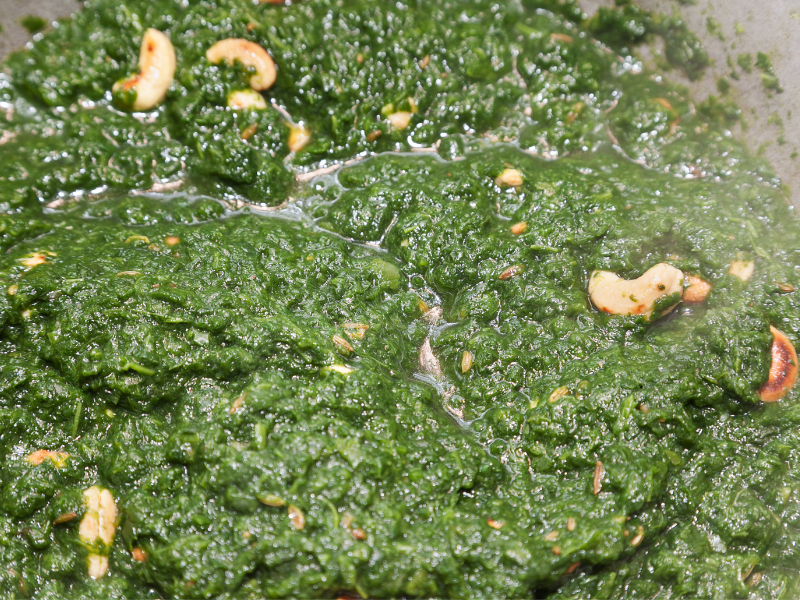
Dissolve the groundnut paste in the remaining water until smooth, then pour it into the saucepan with the tomato and onion base. Stir well and bring to a gentle simmer, cooking for five minutes until the sauce begins to thicken and turn creamy.
-
6
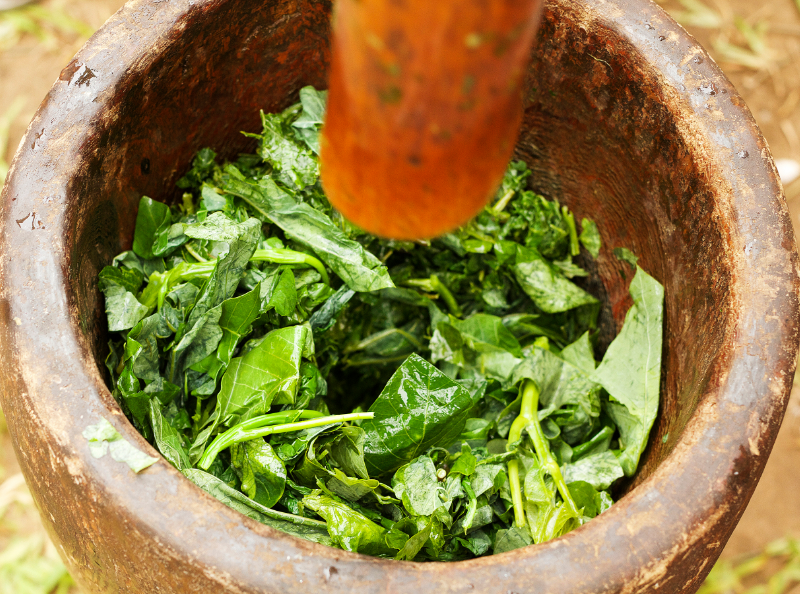
Add the chopped leafy greens to the groundnut sauce, pressing them down to submerge them partially. Stir gently, season with salt, and simmer for ten to twelve minutes, stirring occasionally, until the greens are tender and the sauce is thick and rich.
-
7
Taste and adjust the seasoning with additional salt if needed. Serve the ifisashi in a bowl alongside the mound of nshima on a shared platter, allowing diners to pinch off pieces of the firm porridge and scoop the peanut greens by hand.
Did You Know?
Zambians say 'I haven't eaten' if they haven't had nshima, even if they ate other food.
Chef's Notes
Equipment Tips
- heavy pot
- wooden spoon (mwiko)
- saucepan
Accompaniments
The Story Behind Nshima ne Ifisashi
The Story: Nshima ne ifisashi is a foundational Zambian meal: nshima (thick maize porridge) served with ifisashi, a creamy relish of leafy greens (typically rape, pumpkin leaves, or cassava leaves) cooked in a sauce of pounded groundnuts (peanuts). The groundnuts are ground to a powder and dissolved in water to create a rich, protein-dense sauce that transforms simple greens into a satisfying, nutritionally complete meal. The dish represents the genius of Zambian home cooking, where the combination of maize starch, leafy greens, and groundnut protein creates dietary balance from entirely plant-based, locally available ingredients.
On the Calendar: Nshima ne ifisashi is everyday food, one of the most common meals in Zambian households. It is equally appropriate for family dinners and for feeding guests, and its simplicity belies its deep, comforting flavor.
Then and Now: The preparation has remained essentially unchanged, though the specific greens vary by season, region, and availability. Ifisashi is recognized as one of Zambia's most important culinary contributions, and the dish has gained attention from international food writers documenting African vegetable-based cooking.
Legacy: Nshima ne ifisashi is the quiet masterpiece of Zambian cuisine, a dish that proves you need neither meat nor complexity to create something deeply nourishing, satisfying, and worthy of celebration.


Comments (0)
Log in to leave a comment.
No comments yet. Be the first to share your thoughts!