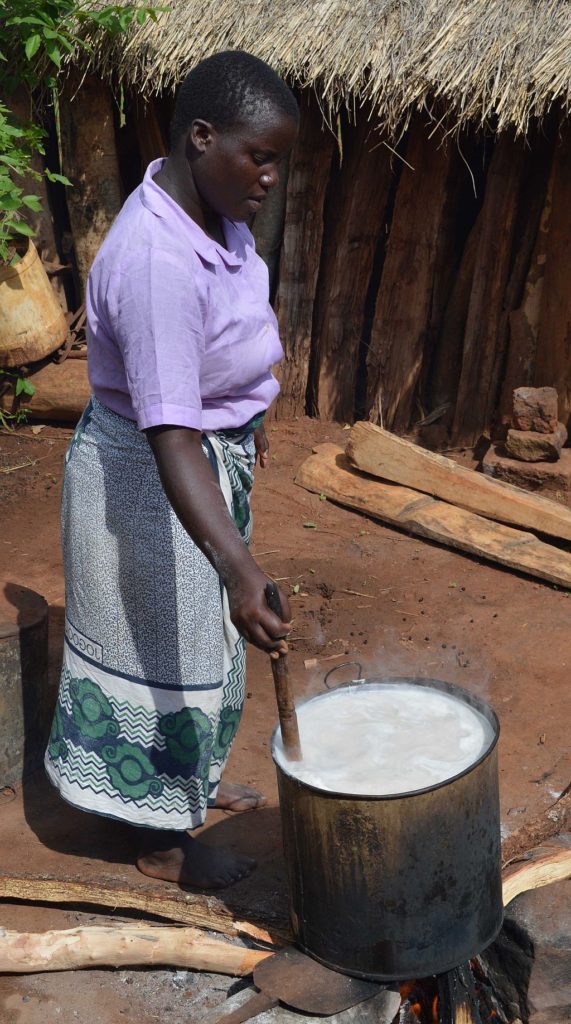
A traditional fermented beverage made from maize meal and munkoyo roots, yielding a tangy, slightly sweet drink with probiotic qualities.
Nutrition & Info
Equipment Needed
Presentation Guide
Vessel: gourd or large cup
Garnishes: none
Accompaniments: any meal or standalone
Instructions
-
1
Cook maize meal in water, stirring constantly, until you have a thin porridge consistency.
-
2
Remove from heat and let cool to lukewarm, about body temperature.
-
3
Add pieces of dried munkoyo root to the porridge and stir well.
-
4
Cover with a cloth and leave in a warm place to ferment for twenty-four to forty-eight hours.
-
5
The drink is ready when it tastes pleasantly tangy and slightly effervescent.
-
6
Strain out the roots, sweeten if desired, and serve chilled or at room temperature.
Did You Know?
Munkoyo root contains natural enzymes that break down starch into sugar, making it a traditional biotechnology that predates modern fermentation science.
Chef's Notes
Equipment Tips
- large pot
- strainer
- fermentation container
- ladle
Garnishing
none
Accompaniments
any meal or standalone
The Story Behind Munkoyo
Munkoyo is one of Zambia's most important indigenous beverages, made using roots from the Rhynchosia species that contain natural fermenting enzymes. The knowledge of which roots to use and how to prepare them represents centuries of accumulated botanical wisdom. In rural Zambia, munkoyo serves as both a refreshing drink and a social lubricant, offered to guests as a sign of hospitality. The fermentation process produces beneficial probiotics, making this traditional drink surprisingly aligned with modern health trends.


Comments (0)
Log in to leave a comment.
No comments yet. Be the first to share your thoughts!