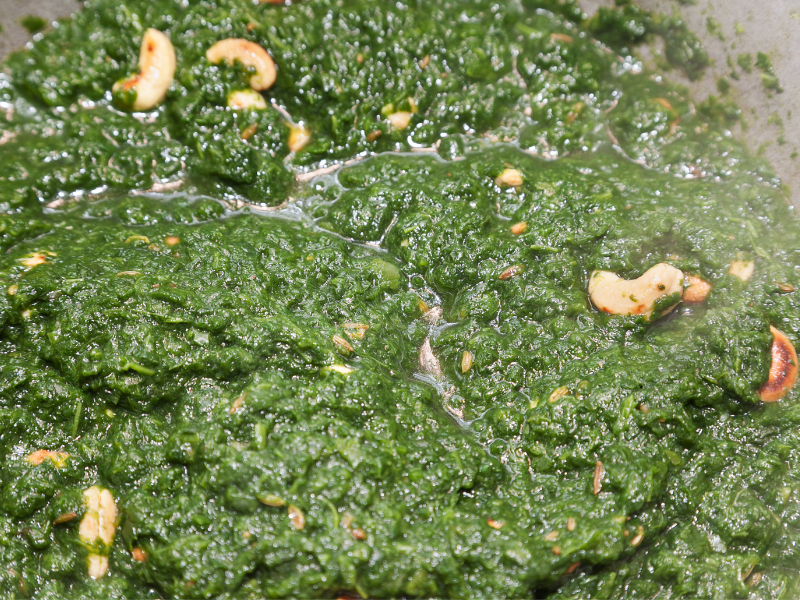
A firm, savory loaf made from wild orchid tubers and ground peanuts, sliced and served cold as a protein-rich snack or appetizer.
Nutrition & Info
Allergen Warnings
Equipment Needed
Presentation Guide
Instructions
-
1
Soak dried orchid tubers in warm water for one hour, then grate finely into a smooth pulp.
-
2
Mix ground peanuts with the grated tuber pulp, adding water gradually to form a thick paste.
-
3
Add baking soda, chili flakes, and salt, stirring vigorously until the mixture becomes elastic.
-
4
Pour into a greased loaf tin and press down firmly to remove air pockets.
-
5
Boil in a water bath or steam for one hour until firm and set throughout.
-
6
Cool completely before unmolding. Slice into rounds and serve at room temperature.
Did You Know?
Chikanda is so popular in Zambia that wild orchid species used to make it have become endangered, prompting conservation efforts.
Chef's Notes
Equipment Tips
- pot
- loaf tin
- grater
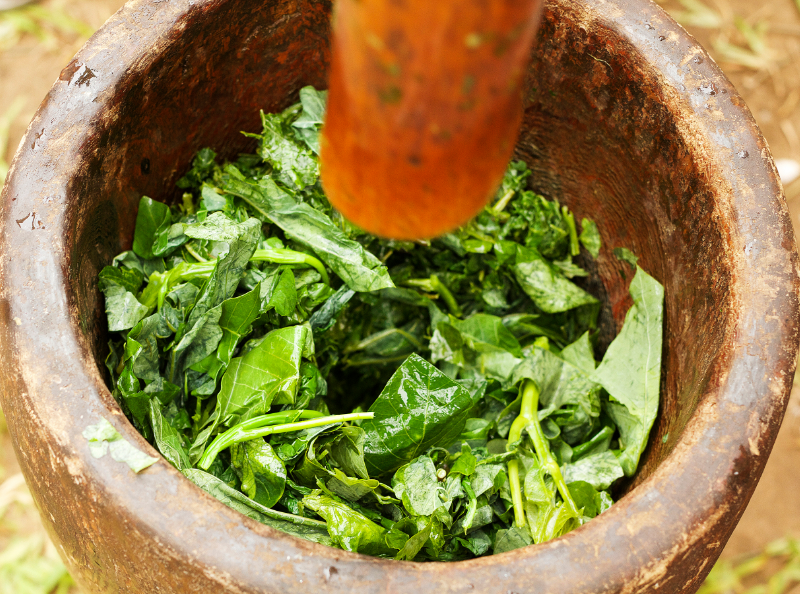
- mortar and pestle
Garnishing
chili flakes
Accompaniments
nshima, tomato relish
The Story Behind Chikanda
Chikanda originates from the Bemba people of northern Zambia and represents one of Africa's most unique culinary creations. Made from the tubers of wild terrestrial orchids, this dish has no equivalent anywhere else in the world. The knowledge of which orchid species to harvest and how to process the tubers has been guarded and passed down through generations. Today chikanda is found in markets throughout Zambia and has become a symbol of national culinary identity.

Comments (0)
Log in to leave a comment.
No comments yet. Be the first to share your thoughts!