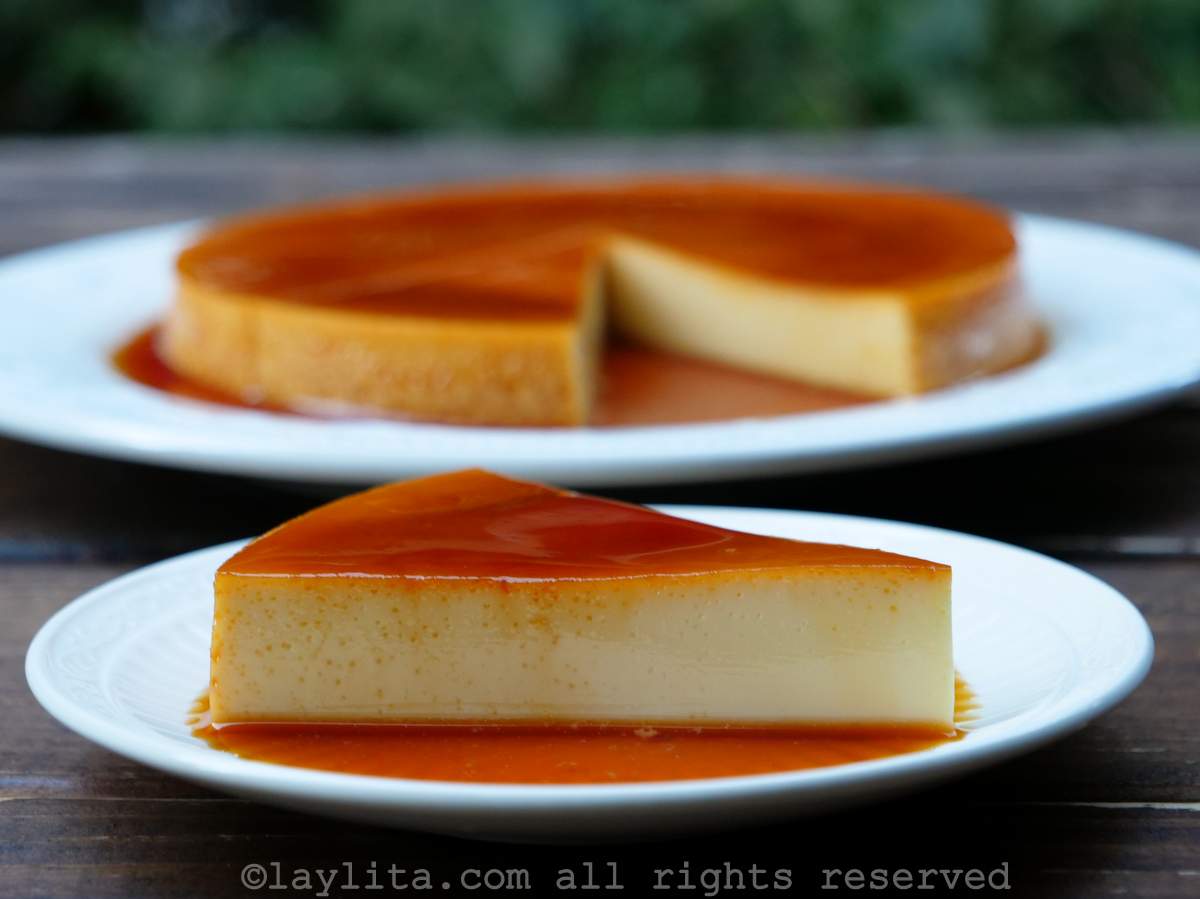
A silky-smooth caramel flan made with whole eggs and condensed milk, with tiny air bubbles that give it a cheese-like texture — Venezuela's signature dessert.
Nutrition & Info
Allergen Warnings
Equipment Needed
Presentation Guide
Vessel: round plate (inverted)
Garnishes: caramel sauce pooling around
Instructions
-
1
Make caramel: heat sugar and water in a saucepan until deep amber. Pour into the mold, swirling to coat the bottom.
-
2
Blend condensed milk, evaporated milk, eggs, and vanilla until smooth. Do not over-blend — some bubbles are desired.
-
3
Pour mixture over the caramel in the mold. Cover tightly with aluminum foil.
-
4
Place mold in a larger pan. Fill outer pan with hot water halfway up the sides of the mold.
-
5
Bake at 160°C (325°F) for 50-60 min until set but slightly jiggly in the center.
-
6
Cool completely, then refrigerate at least 4 hours. Invert onto a plate to serve.
Did You Know?
The name quesillo means "little cheese" because the air bubbles trapped during blending give the flan a texture reminiscent of fresh cheese.
Chef's Notes
Equipment Tips
- blender
- round mold or bundt pan
- larger pan for water bath
- oven
Garnishing
caramel sauce pooling around
The Story Behind Quesillo
Quesillo is Venezuela's unique take on Spanish flan, distinguished by using whole eggs instead of just yolks, which creates the signature bubble-studded texture. Condensed milk, which became widely available in Venezuela in the early 20th century, replaced fresh cream and gave quesillo its characteristic sweetness. Every Venezuelan cook has a theory about the perfect blending time.
More Venezuelan Dishes
 Easy
📜 Story
Easy
📜 Story
Arepa Reina Pepiada
Queen Arepa
Breakfast, lunch, dinner, snack Easy
📜 Story
Easy
📜 Story
Arroz con Leche Venezolano
Venezuelan Rice Pudding
Dessert or afternoon snack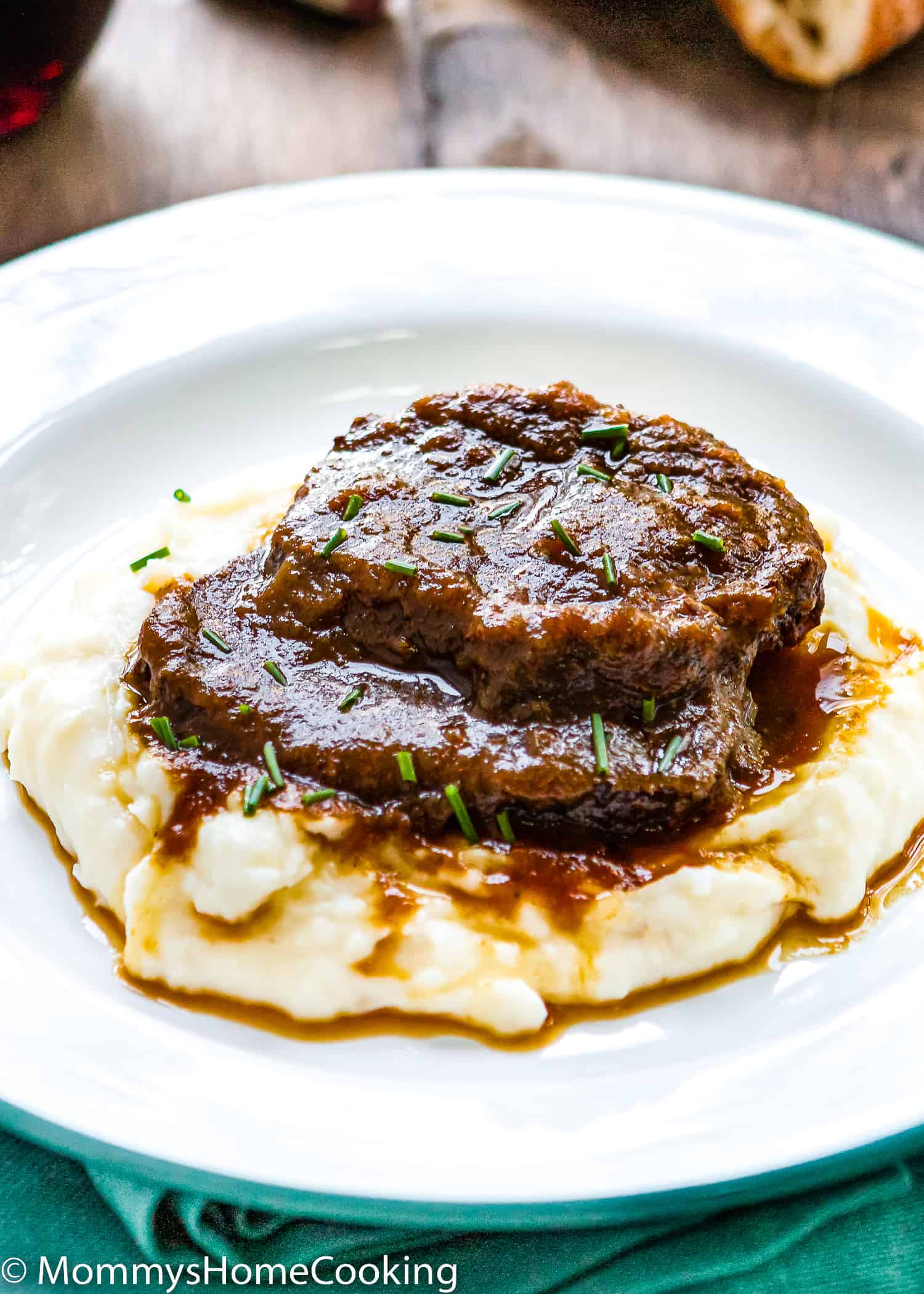 Medium
📜 Story
Medium
📜 Story
Asado Negro
Black Roast Beef
Sunday lunch, celebrations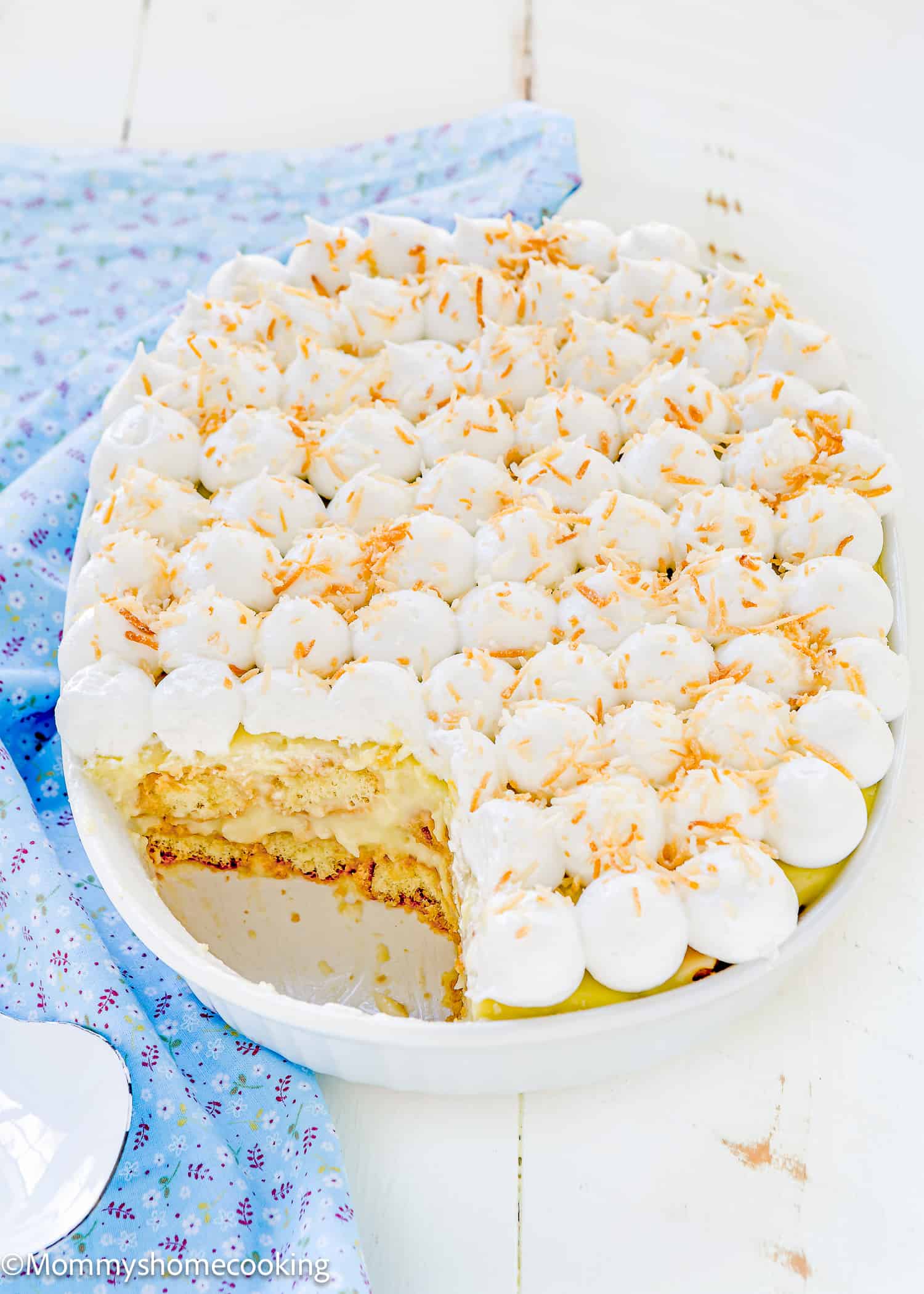 Medium
📜 Story
Medium
📜 Story
Bienmesabe
Coconut Cream Cake
Dessert at celebrations and family meals
Comments (0)
Log in to leave a comment.
No comments yet. Be the first to share your thoughts!