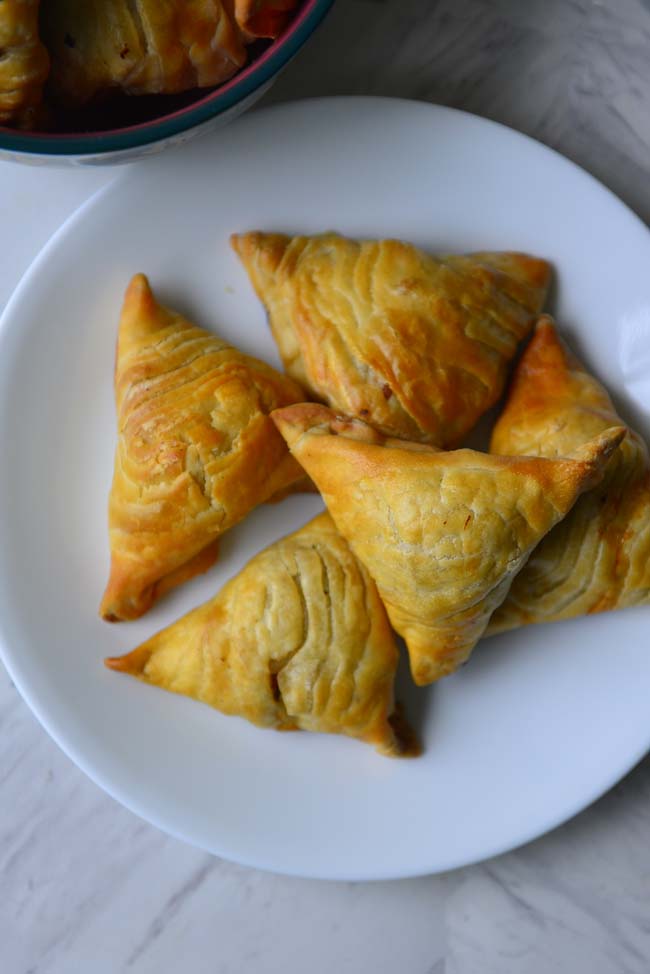
Flaky tandoor-baked pastries filled with seasoned lamb and onions. The beloved street food of Uzbekistan's bazaars.
Nutrition & Info
Allergen Warnings
Equipment Needed
Presentation Guide
Vessel: serving plate
Garnishes: sesame seeds on top
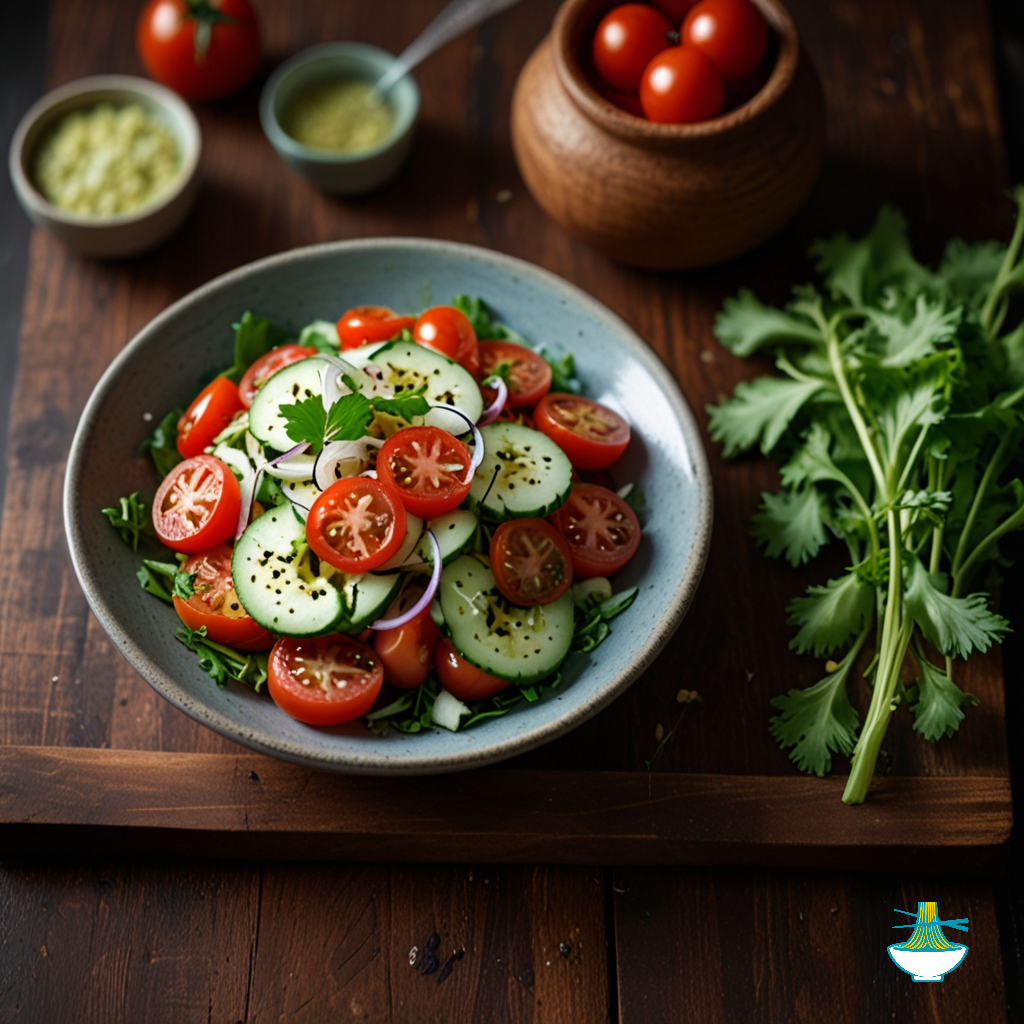
Accompaniments: fresh tomatoes, green tea
Instructions
-
1
Combine the flour and salt in a large bowl, then gradually add the warm water while mixing until a smooth, pliable dough forms. Knead for eight to ten minutes until the dough is elastic, then cover and rest for thirty minutes.
-
2
While the dough rests, prepare the filling by combining the ground lamb with the finely diced onions, cumin, black pepper, and salt in a large bowl. Mix thoroughly with your hands until the onions are evenly distributed throughout.
-
3
Roll the rested dough out on a lightly floured surface into a large thin rectangle about three millimetres thick. Spread the softened butter evenly across the entire surface, then roll the dough up tightly into a log.
-
4
Cut the rolled log into twelve to fourteen equal pieces. Take each piece and roll it out into a circle about twelve centimetres in diameter, keeping the cut side facing up so the laminated layers remain visible and intact.
-
5
Place two generous tablespoons of the lamb and onion filling in the centre of each circle. Fold the dough up from three sides to form a triangular pastry, pinching the seams firmly together to seal completely and prevent leaking.
-
6
Preheat the oven to two hundred degrees Celsius. Arrange the samsas on a parchment-lined baking tray with the seam side facing down, leaving about two centimetres of space between each pastry for even air circulation.
-
7
Brush the top of each samsa generously with the beaten egg wash, then sprinkle with sesame seeds and nigella seeds. Bake for twenty-five to thirty minutes until the pastry is a deep golden brown and the layers are visibly flaky.
-
8
Remove the samsas from the oven and allow them to cool on the tray for five minutes before serving. Serve hot alongside fresh green tea, pickled vegetables, or a simple tomato and onion salad as is traditional in Uzbekistan.
Did You Know?
Samsa vendors in Uzbek bazaars bake these in tandoor ovens attached to the wall, dozens at a time.
Chef's Notes
Equipment Tips
- tandoor or oven
- rolling pin
- cutting board
Garnishing
sesame seeds on top
Accompaniments
fresh tomatoes, green tea
The Story Behind Samsa
The Story: Samsa are flaky, triangular or round pastries filled with seasoned lamb and onions, baked in a clay tandoor oven until golden and shatteringly crisp. They belong to the samosa family of stuffed pastries that spread across Asia from the medieval Middle East, but the Uzbek version is distinguished by its tandoor baking method and its emphasis on lamb fat, onions, and cumin. The pastry is traditionally made from multiple layers of dough brushed with rendered fat, producing a flaky, almost puff-pastry-like shell.
On the Calendar: Samsa are eaten year-round as a snack, breakfast item, or accompaniment to tea. They are baked fresh in tandoor ovens at bazaars, bakeries, and roadside stalls across Uzbekistan, with the best versions sold still hot from the oven.
Then & Now: The traditional tandoor-baked samsa remains the gold standard, though oven-baked versions are increasingly common in home kitchens. Fillings have expanded to include beef, squash (especially in autumn), and greens, but the classic lamb-and-onion version remains definitive.
Legacy: Samsa are the perfect Silk Road food: portable, satisfying, and built to sustain travelers on long journeys. They remain the snack that fuels Uzbek life from bazaar to highway.

Comments (0)
Log in to leave a comment.
No comments yet. Be the first to share your thoughts!