
A magnificent pilaf of rice layered with lamb, carrots, chickpeas, and cumin, cooked in a massive kazan over open flame. Uzbekistan's national treasure.
Nutrition & Info
Equipment Needed
Presentation Guide
Vessel: large communal platter (lagan)
Garnishes: whole garlic head, quail eggs
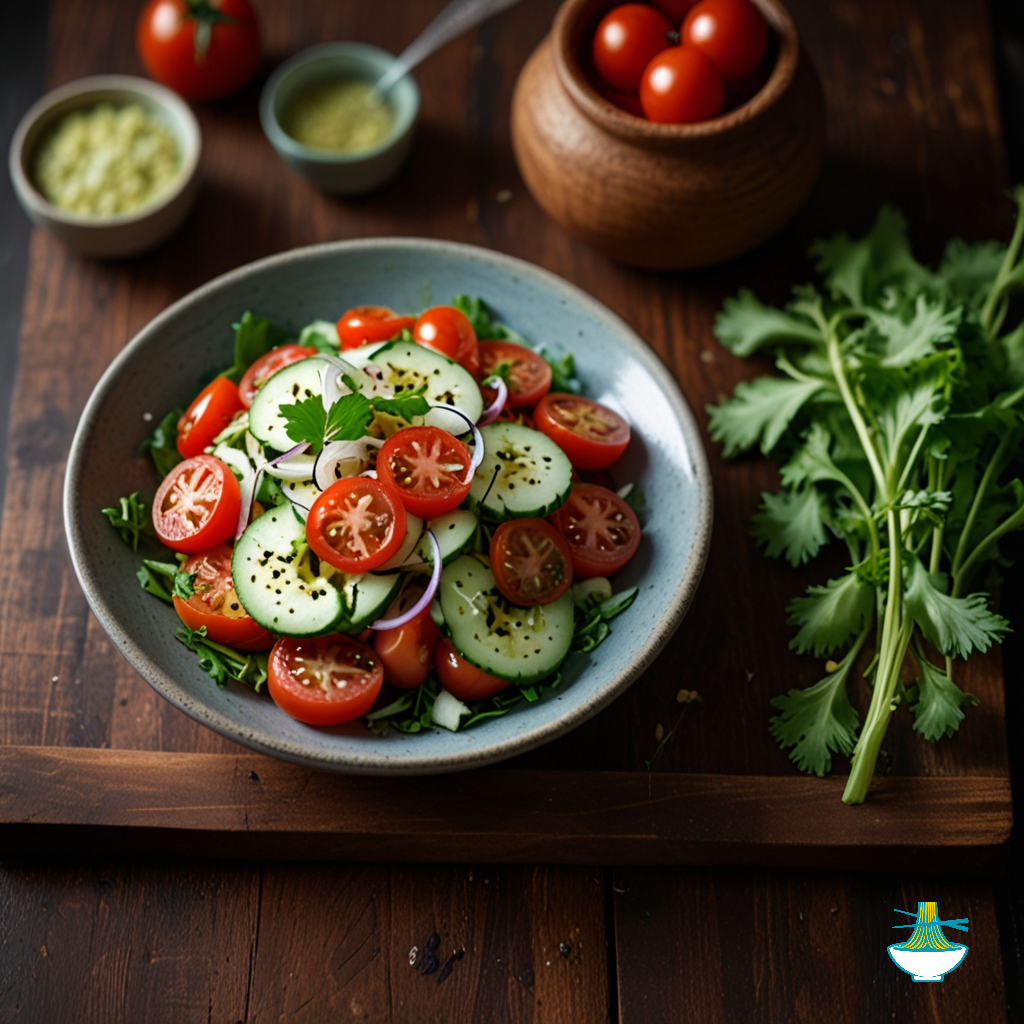
Accompaniments: tomato-onion salad (achuchuk), non (flatbread)
Instructions
-
1
Soak the rinsed rice in warm salted water for at least thirty minutes while you prepare the remaining ingredients. This ensures the grains cook evenly and stay separate in the final dish rather than clumping together.
-
2
Heat the vegetable oil in a large kazan or heavy-bottomed pot over high heat until it begins to shimmer. Add the lamb cubes in a single layer and sear on all sides for five to seven minutes until deeply golden brown.
-
3
Add the sliced onions to the pot and cook with the lamb for about five minutes, stirring frequently, until they turn a rich golden colour. The caramelised onions form the flavour base known as the zirvak in traditional plov.
-
4
Spread the julienned carrots in an even layer over the onions and lamb without stirring. Allow them to soften for eight to ten minutes, letting the steam from below gently cook the carrots while they retain their shape.
-
5
Sprinkle the cumin seeds, coriander, and turmeric over the carrots. Add the soaked chickpeas, whole garlic head, dried chilli, and enough boiling water to cover everything by about two centimetres. Simmer uncovered for thirty minutes.
-
6
Drain the soaked rice thoroughly and spread it gently and evenly over the surface of the zirvak without stirring. Pour in enough boiling water to cover the rice by exactly one centimetre above the surface.
-
7
Bring to a vigorous boil on high heat. Once the water level drops to the rice surface, reduce heat to the lowest possible setting. Use a chopstick to poke several steam holes through the rice down to the bottom of the pot.
-
8
Cover the pot tightly with a lid and cook undisturbed on the lowest heat for twenty to twenty-five minutes. Turn off the heat completely and allow the plov to rest covered for another fifteen to twenty minutes without opening.
-
9
Remove the lid and carefully extract the whole garlic head. Gently fold the rice from bottom to top, mixing the layers together. Mound onto a large serving platter with the meat and carrots arranged on top of the rice.
Did You Know?
In Uzbekistan, plov is traditionally cooked by men, and master plov cooks (oshpaz) are celebrities.
Chef's Notes
Equipment Tips
- kazan (cast iron pot)
- sharp knife
- wooden spoon
Garnishing
whole garlic head, quail eggs
Accompaniments
tomato-onion salad (achuchuk), non (flatbread)
The Story Behind Plov
The Story: Plov (also called osh) is Uzbekistan's national dish and the undisputed king of Central Asian cuisine: a magnificent pilaf of rice layered with lamb, yellow carrots, chickpeas, garlic heads, and cumin, cooked in a massive kazan over an open wood fire. Legend attributes its invention to the court of Tamerlane in fourteenth-century Samarkand, where a physician allegedly prescribed a restorative rice dish for the conquering emperor's exhausted troops. In reality, the technique of layering meat, fat, vegetables, and rice evolved over centuries of Persian-Turkic culinary exchange along the Silk Road.
On the Calendar: Plov is served at every significant life event: weddings (where batches serve five hundred or more guests), births, circumcisions, funerals, and national holidays. Thursday is the traditional plov day in many households. Morning plov, served at dawn for celebrations, is a distinct tradition in Tashkent.
Then & Now: The basic technique remains sacred, with regional variations fiercely guarded. Samarkand plov is darker, sweeter, and uses more carrots. Tashkent plov features chickpeas, raisins, and quail eggs. Bukharan plov is lighter, seasoned with cumin and dried apricots. In 2016, the social and cultural practice of plov was inscribed on the UNESCO Intangible Cultural Heritage list.
Legacy: Plov is not a recipe but a philosophy: generosity made edible, community built around a kazan, and the Silk Road captured in a single pot of rice.

Comments (0)
Log in to leave a comment.
No comments yet. Be the first to share your thoughts!