
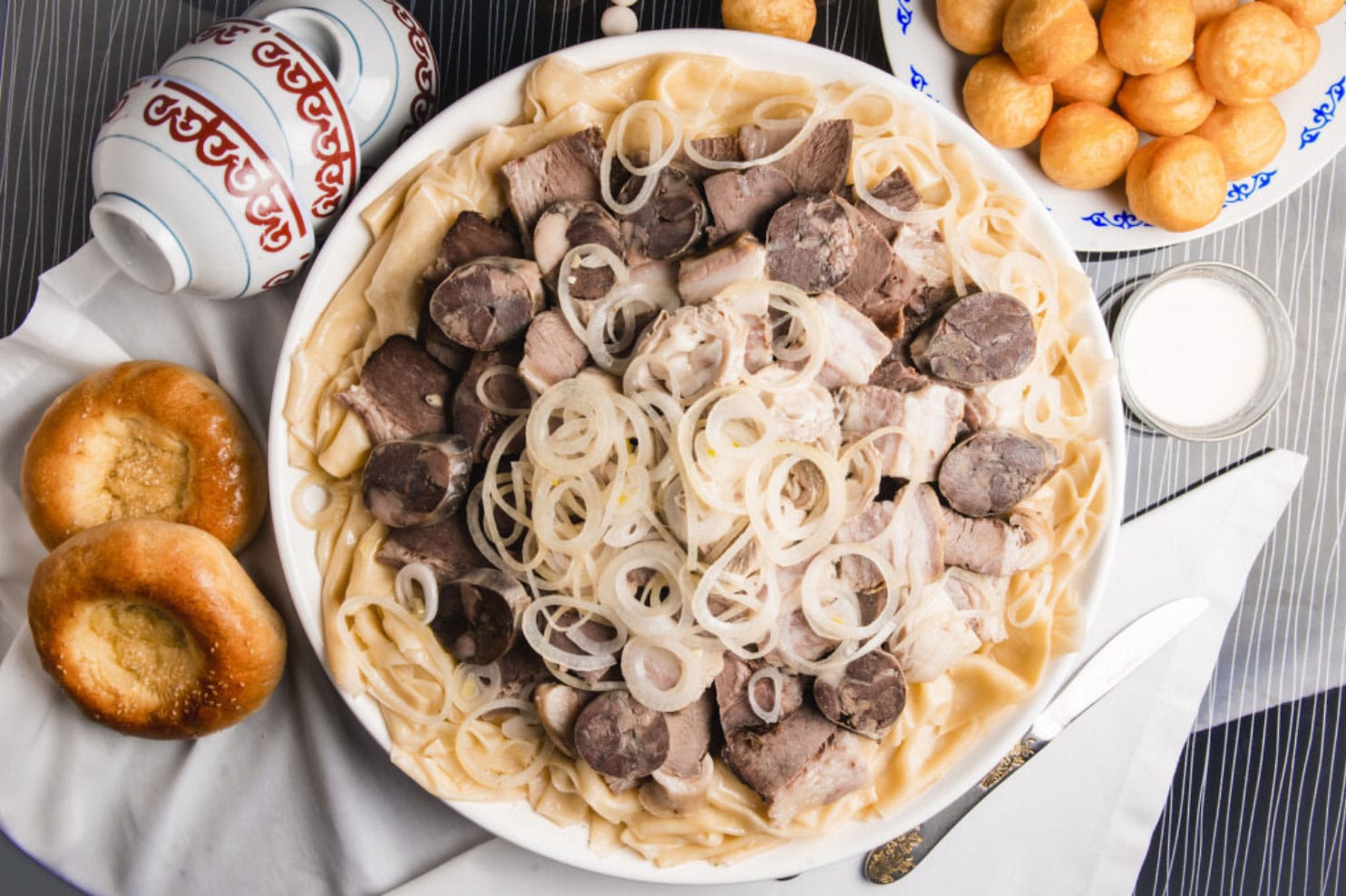
Thin hand-cut noodles tossed with finely shredded boiled beef and onion, seasoned with black pepper and cumin, served at room temperature as a celebratory dish.
Nutrition & Info
Allergen Warnings
Equipment Needed
Presentation Guide
Vessel: large flat platter
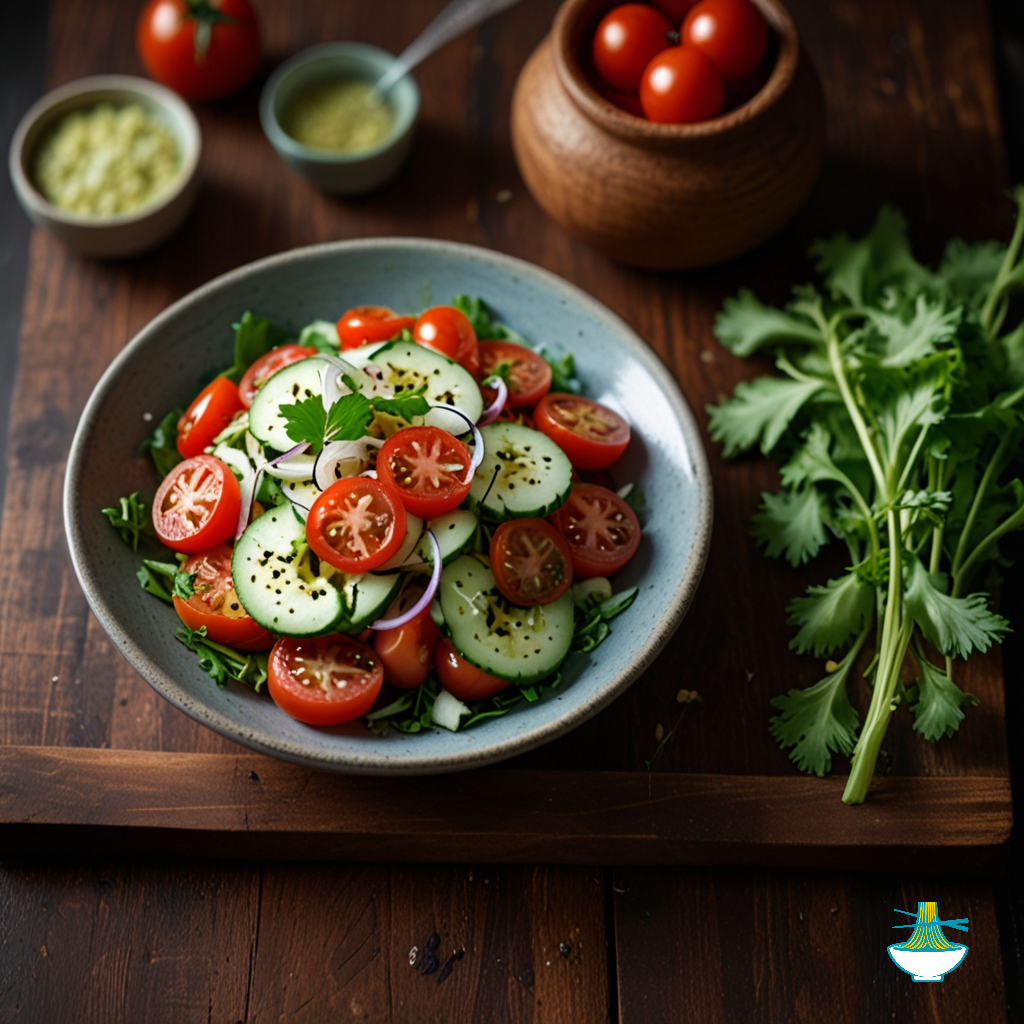
Garnishes: cilantro, sliced onion
Accompaniments: green tea
Instructions
-
1
Boil beef brisket in salted water for two to three hours until completely tender and easily shredded with two forks into fine strands.
-
2
Knead flour, egg, water, and salt into a firm smooth dough, rest thirty minutes, then roll out paper-thin on a floured surface.
-
3
Roll the thin dough sheet into a tight log, then slice crosswise into very thin noodles about two millimeters wide and unroll them.
-
4
Cook noodles in the reserved beef broth for three minutes until just tender, then drain and toss lightly with a spoonful of beef fat.
-
5
Finely shred the boiled beef and mix with sliced raw onion, cumin, black pepper, and salt until everything is evenly combined.
-
6
Mound noodles on a platter, top generously with the seasoned beef and onion mixture, and garnish with fresh cilantro leaves.
Did You Know?
Norin is considered the most prestigious dish in Uzbek cuisine, traditionally reserved for the most honored guests at celebrations and weddings.
Chef's Notes
Equipment Tips
- large pot
- rolling pin
- sharp knife
- large work surface
Garnishing
cilantro, sliced onion
Accompaniments
green tea
The Story Behind Norin
Norin has roots in ancient Turkic nomadic cuisine and was historically made with horse meat. In modern Uzbekistan, beef is commonly used. The dish remains a symbol of hospitality and is served at the most important gatherings.

Comments (0)
Log in to leave a comment.
No comments yet. Be the first to share your thoughts!