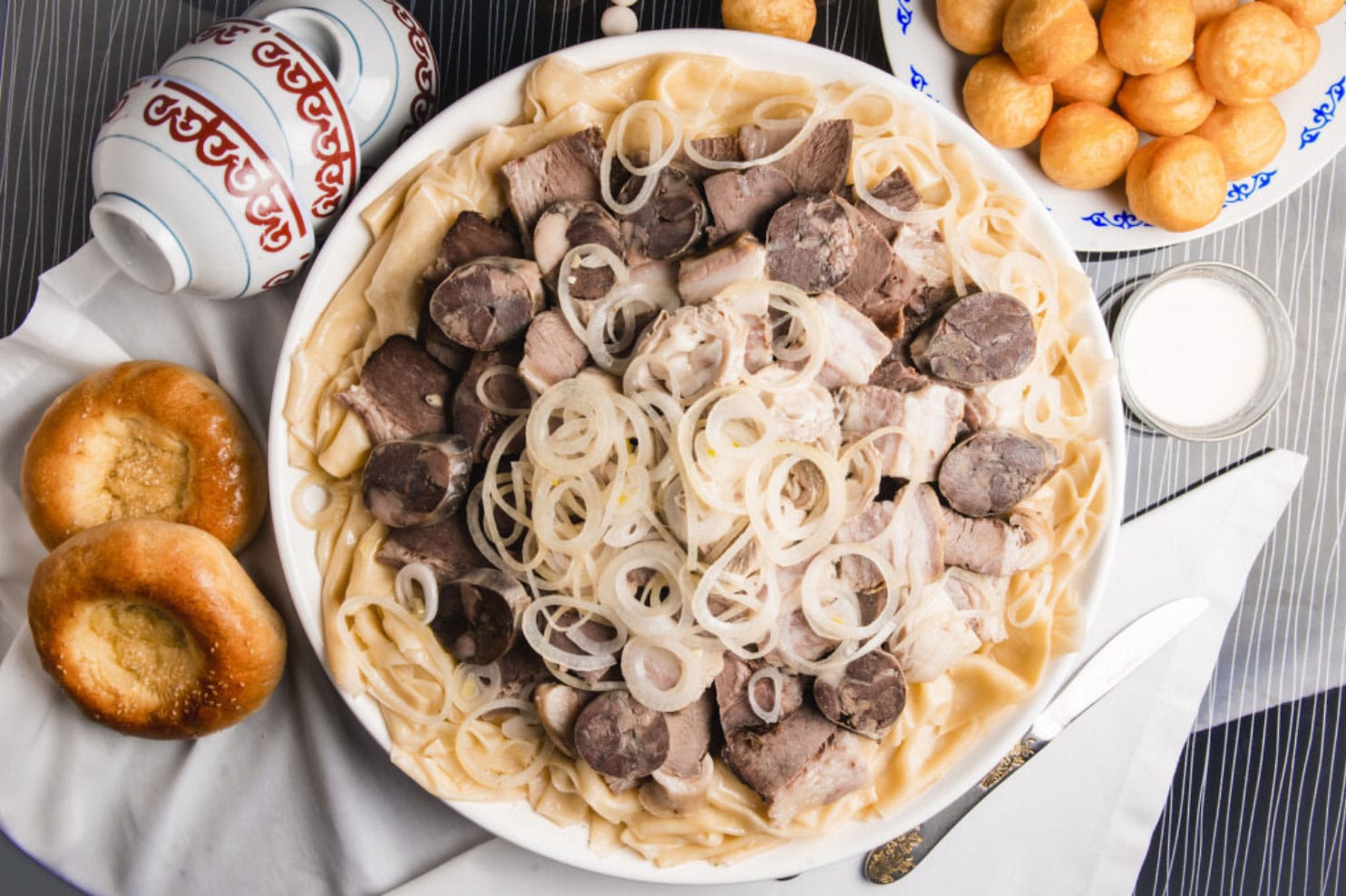
Wide flat noodle sheets topped with tender boiled lamb and caramelized onions, eaten traditionally with the hands from a shared platter, drenched in rich broth.
Nutrition & Info
Allergen Warnings
Equipment Needed
Presentation Guide
Vessel: large communal platter
Garnishes: fresh dill, parsley, onion rings
Accompaniments: broth in separate bowls
Instructions
-
1
Boil lamb shoulder in salted water for two to three hours until tender, skimming foam, then reserve the rich golden broth for later.
-
2
Make a firm dough from flour, eggs, water, and salt, rest for thirty minutes, then roll out thin and cut into large diamond shapes.
-
3
Cook the noodle diamonds in the reserved lamb broth for five minutes until just tender, then remove with a slotted spoon carefully.
-
4
Sauté sliced onion rings in lamb fat until golden and sweet, season with black pepper and cumin to create the onion topping.
-
5
Arrange noodle diamonds on a large platter, layer with sliced lamb and caramelized onions, then ladle hot broth generously over everything.
-
6
Serve communally — traditionally eaten with the hands, hence the name beshbarmak meaning five fingers in Turkic languages.
Did You Know?
The eldest person at the table receives the choicest cuts of meat in beshbarmak, a tradition reflecting deep respect for elders in Uzbek culture.
Chef's Notes
Equipment Tips
- large pot
- rolling pin
- sharp knife
- large platter
Garnishing
fresh dill, parsley, onion rings
Accompaniments
broth in separate bowls
The Story Behind Beshbarmak
Beshbarmak is shared across all Turkic peoples from Kazakhstan to Kyrgyzstan. In Uzbekistan it maintains its ancient form as a communal hand-eaten dish, reflecting the nomadic heritage before the settled agricultural traditions of the Ferghana Valley.
More Uzbek Dishes
 Easy
📜 Story
Easy
📜 Story
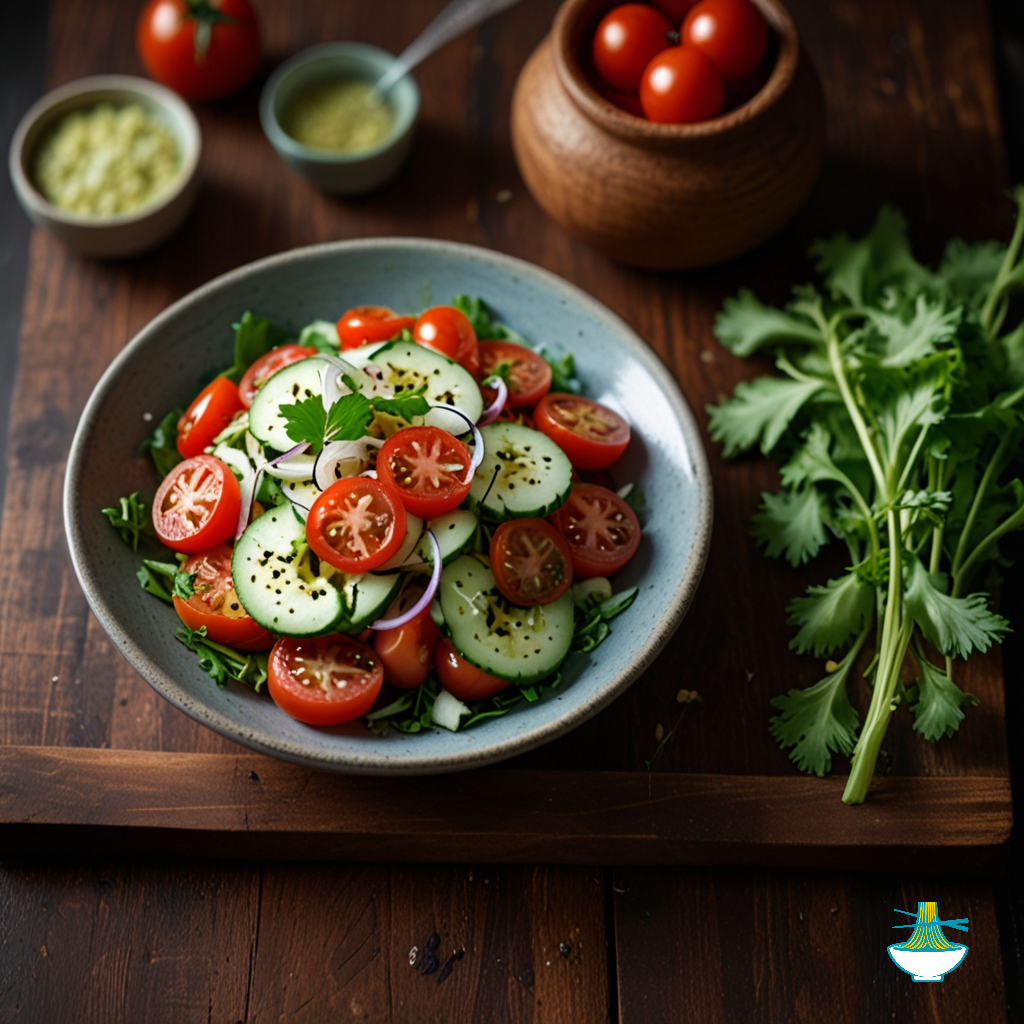
Achichuk
Tomato and Onion Salad
Accompaniment to plov and kebabs Hard
📜 Story
Hard
📜 Story
Chuchvara
Tiny Boiled Dumplings
Starter or light meal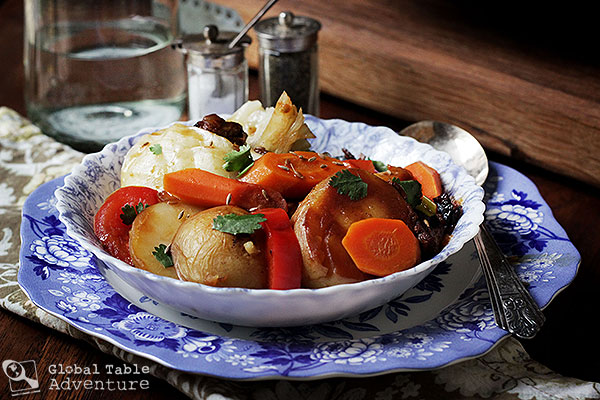 Medium
📜 Story
Medium
📜 Story
Dimlama
Layered Meat and Vegetable Stew
Family dinner or gathering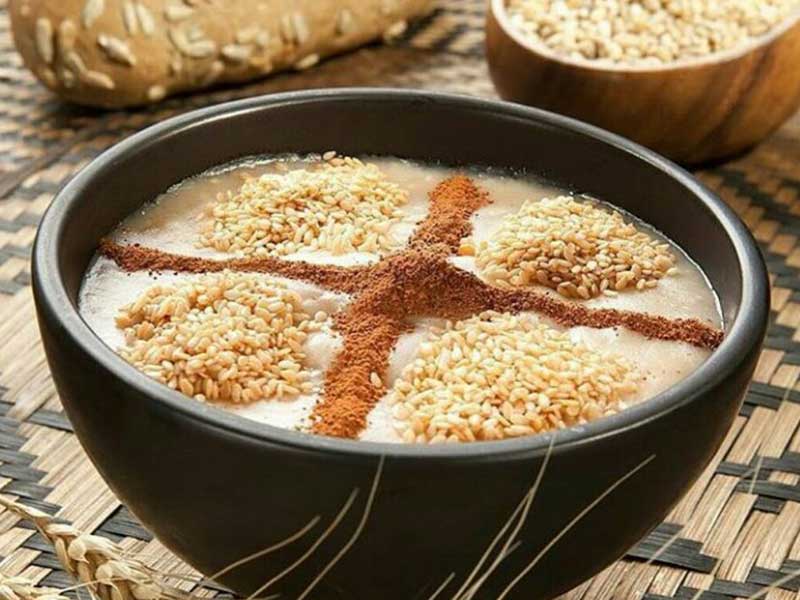 Medium
📜 Story
Medium
📜 Story
Halim
Wheat and Meat Porridge
Pre-dawn Ramadan meal (suhur)
Comments (0)
Log in to leave a comment.
No comments yet. Be the first to share your thoughts!