
Dulce de Leche Uruguayo
Dulce de Leche (DOOL-seh deh LEH-cheh)
Uruguayan Caramelized Milk Spread
A thick, velvety caramel spread made by slowly simmering sweetened milk for hours until it transforms into a rich, amber-colored confection with deep toffee notes and a silky texture.
Instructions
-
1
Combine milk and sugar in a heavy pot. Stir over medium heat until sugar dissolves completely.
-
2
Add baking soda mixture — it will foam up. Stir well.
-
3
Reduce heat to low. Simmer, stirring frequently, for 2.5 to 3 hours.
-
4
The mixture will gradually thicken and darken to a rich caramel color.
-
5
Test by dropping a small amount on a cold plate — it should hold its shape.
-
6
Stir in vanilla, pour into sterilized jars. Cool before sealing.
Did You Know?
Uruguay and Argentina have a long-standing rivalry over who invented dulce de leche, but Uruguay proudly claims the first factory production and the highest per-capita consumption in the world.
The Story Behind Dulce de Leche Uruguayo
Dulce de leche has been a cornerstone of Uruguayan cuisine since the 19th century. While both Argentina and Uruguay claim its invention, Uruguay was the first to industrialize production. It appears in almost every Uruguayan dessert, from alfajores to pancakes, and is eaten by the spoonful as a daily comfort food.
More Uruguayan Dishes
 Medium
📜 Story
Medium
📜 Story
Alfajores Uruguayos
Dulce de Leche Sandwich Cookies
Afternoon tea, snack, gift-giving Easy
📜 Story
Easy
📜 Story
Arroz con Leche Uruguayo
Uruguayan Rice Pudding
Dessert, afternoon snack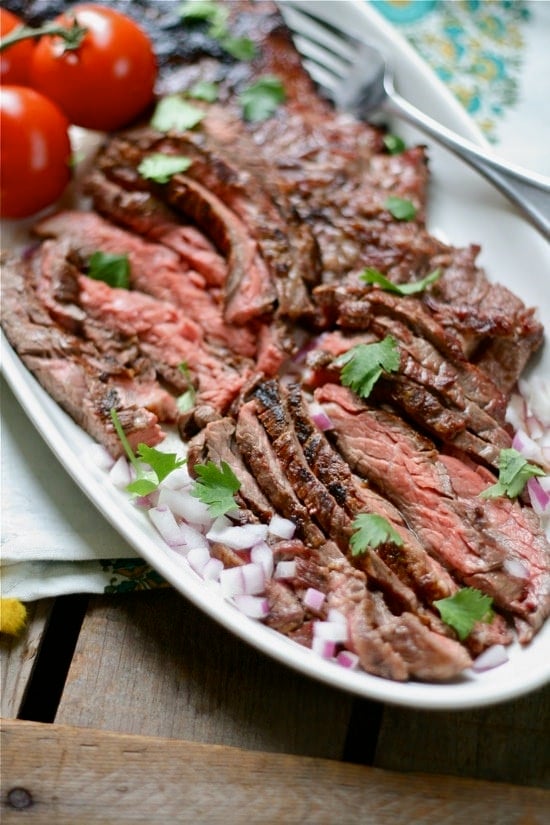 Medium
📜 Story
Medium
📜 Story
Asado
Uruguayan Barbecue
Sunday lunch, celebrations Medium
📜 Story
Medium
📜 Story
Bizcochos
Uruguayan Pastry Biscuits
Breakfast, afternoon mate time
Comments (0)
Log in to leave a comment.
No comments yet. Be the first to share your thoughts!