
Arroz con Leche Uruguayo
Arroz con Leche (ah-RROHS kohn LEH-cheh)
Uruguayan Rice Pudding
A creamy, cinnamon-scented rice pudding slow-cooked in milk until the grains swell and release their starch into a luscious, thick custard, served cold with a dusting of cinnamon.
Nutrition & Info
Allergen Warnings
Equipment Needed
Presentation Guide
Vessel: ceramic bowl
Garnishes: ground cinnamon, lemon zest curl
Accompaniments: dulce de leche drizzle
Instructions
-
1
Rinse rice briefly under cold water. Drain well.
-
2
Combine rice, milk, cinnamon stick, and lemon zest in a heavy saucepan.
-
3
Bring to a gentle simmer over medium-low heat, stirring frequently.
-
4
Cook for 35-40 minutes, stirring often to prevent sticking, until rice is very tender and mixture is thick and creamy.
-
5
Stir in sugar and vanilla. Cook 5 more minutes.
-
6
Remove cinnamon stick and lemon zest. Pour into serving dishes.
-
7
Chill thoroughly. Dust generously with ground cinnamon before serving.
Did You Know?
Uruguayan grandmothers (abuelas) are fiercely protective of their arroz con leche recipes, and family debates about the correct thickness — spoonable vs. pourable — can last generations.
Chef's Notes
Equipment Tips
- heavy saucepan
- wooden spoon
Garnishing
ground cinnamon, lemon zest curl
Accompaniments
dulce de leche drizzle
The Story Behind Arroz con Leche Uruguayo
Arroz con leche arrived with Spanish colonists and became a beloved Uruguayan comfort dessert. Unlike some Latin American versions, Uruguayan arroz con leche is traditionally served cold and extra thick, almost solid enough to slice. It appears at family dinners, school canteens, and every traditional restaurant.
More Uruguayan Dishes
 Medium
📜 Story
Medium
📜 Story
Alfajores Uruguayos
Dulce de Leche Sandwich Cookies
Afternoon tea, snack, gift-giving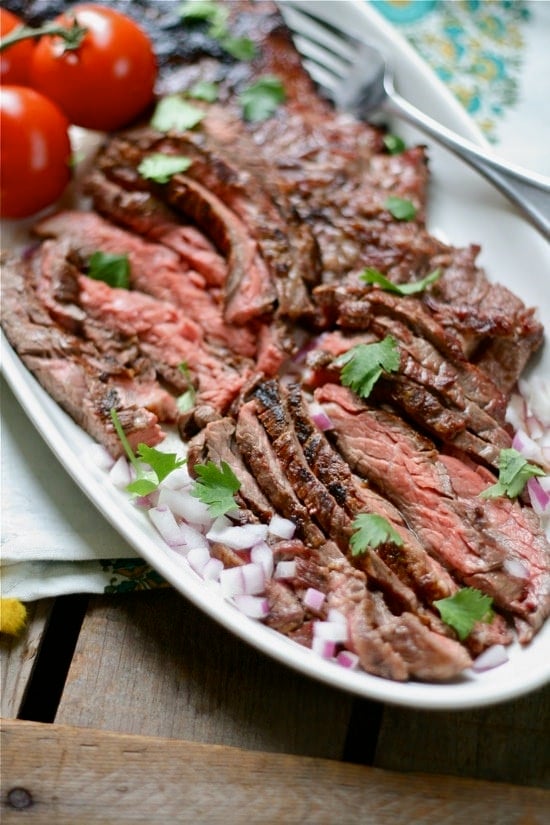 Medium
📜 Story
Medium
📜 Story
Asado
Uruguayan Barbecue
Sunday lunch, celebrations Medium
📜 Story
Medium
📜 Story
Bizcochos
Uruguayan Pastry Biscuits
Breakfast, afternoon mate time Easy
📜 Story
Easy
📜 Story
Buñuelos de Alga
Seaweed Fritters
Semana Santa (Holy Week), coastal gatherings
Comments (0)
Log in to leave a comment.
No comments yet. Be the first to share your thoughts!