
Alfajores Uruguayos
Alfajores (ahl-fah-HOR-ehs oo-roo-GWAH-yohs)
Dulce de Leche Sandwich Cookies
Delicate, crumbly cornstarch cookies sandwiched with a generous layer of dulce de leche and coated in meringue or rolled in shredded coconut, melting on the tongue.
Nutrition & Info
Instructions
-
1
Cream butter with powdered sugar until fluffy. Add egg yolks and vanilla, beat well.
-
2
Sift cornstarch, flour, and baking powder together. Fold into butter mixture with lemon zest.
-
3
Roll dough to 5mm thickness on a floured surface. Cut 5cm rounds.
-
4
Bake at 170C for 10-12 minutes — cookies should stay pale, not brown.
-
5
Cool completely. Spread generous dulce de leche on one cookie, sandwich with another.
-
6
Roll edges in shredded coconut. Let set for 30 minutes before serving.
Did You Know?
Uruguay has its own alfajor style — while Argentine alfajores are often chocolate-dipped, Uruguayan alfajores traditionally feature a meringue coating or coconut, giving them a lighter appearance.
The Story Behind Alfajores Uruguayos
Alfajores trace back to Moorish Spain and the Arabic word al-hasu. In Uruguay, they evolved into the cornstarch-based version filled with dulce de leche that is now a national sweet. Uruguayan confectioneries like Punta Ballena have made alfajores an artisanal industry, with the cookies being one of the most popular gifts and souvenirs.
More Uruguayan Dishes
 Easy
📜 Story
Easy
📜 Story
Arroz con Leche Uruguayo
Uruguayan Rice Pudding
Dessert, afternoon snack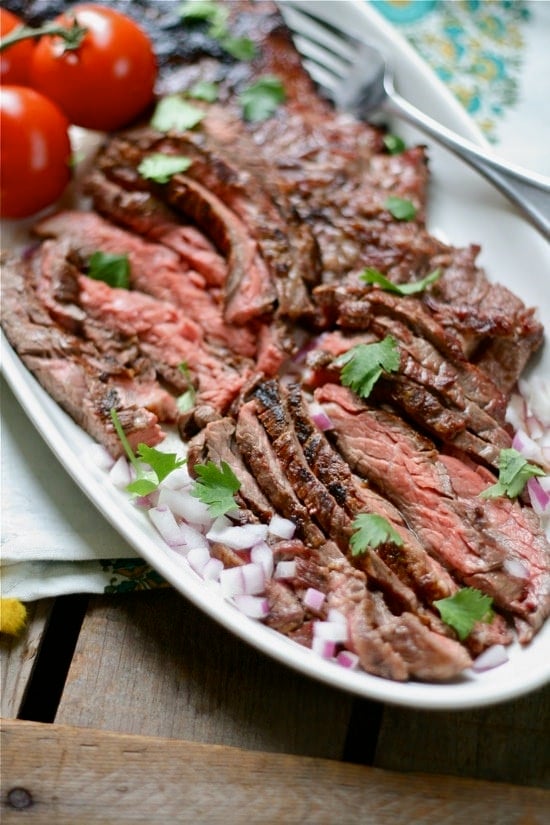 Medium
📜 Story
Medium
📜 Story
Asado
Uruguayan Barbecue
Sunday lunch, celebrations Medium
📜 Story
Medium
📜 Story
Bizcochos
Uruguayan Pastry Biscuits
Breakfast, afternoon mate time Easy
📜 Story
Easy
📜 Story
Buñuelos de Alga
Seaweed Fritters
Semana Santa (Holy Week), coastal gatherings
Comments (0)
Log in to leave a comment.
No comments yet. Be the first to share your thoughts!