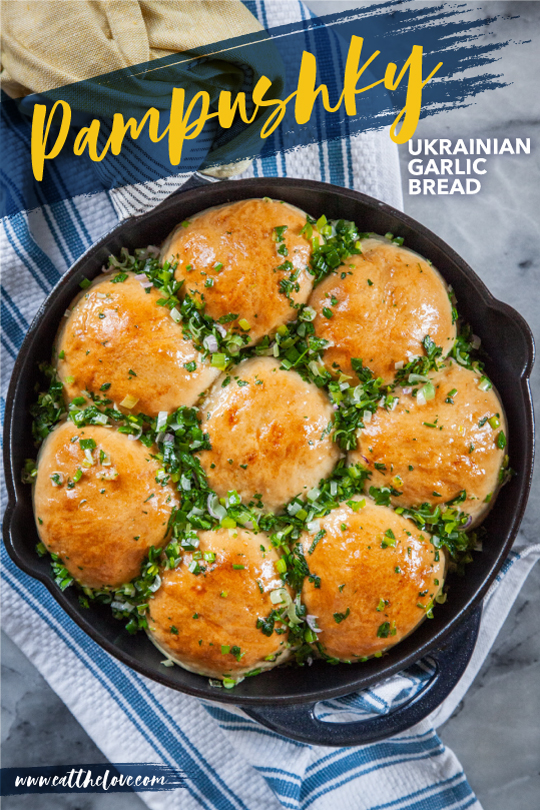
Soft, pillowy yeasted buns drenched in a pungent garlic-oil sauce, the essential companion to a bowl of Ukrainian borscht.
Nutrition & Info
Allergen Warnings
Equipment Needed
Presentation Guide
Instructions
-
1
Dissolve yeast and sugar in warm milk, let stand 10 minutes until frothy.
-
2
Mix flour and salt, add yeast mixture and oil, knead 8 minutes until smooth and elastic.
-
3
Cover and let rise in a warm place for 1 hour until doubled.
-
4
Punch down dough, divide into 12 equal pieces, roll into balls.
-
5
Place balls on a greased baking sheet close together, let rise 30 minutes.
-
6
Bake at 190°C (375°F) for 18-20 minutes until golden.
-
7
Mix minced garlic, sunflower oil, dill, and salt. Brush generously over hot rolls.
-
8
Serve warm alongside borscht.
Did You Know?
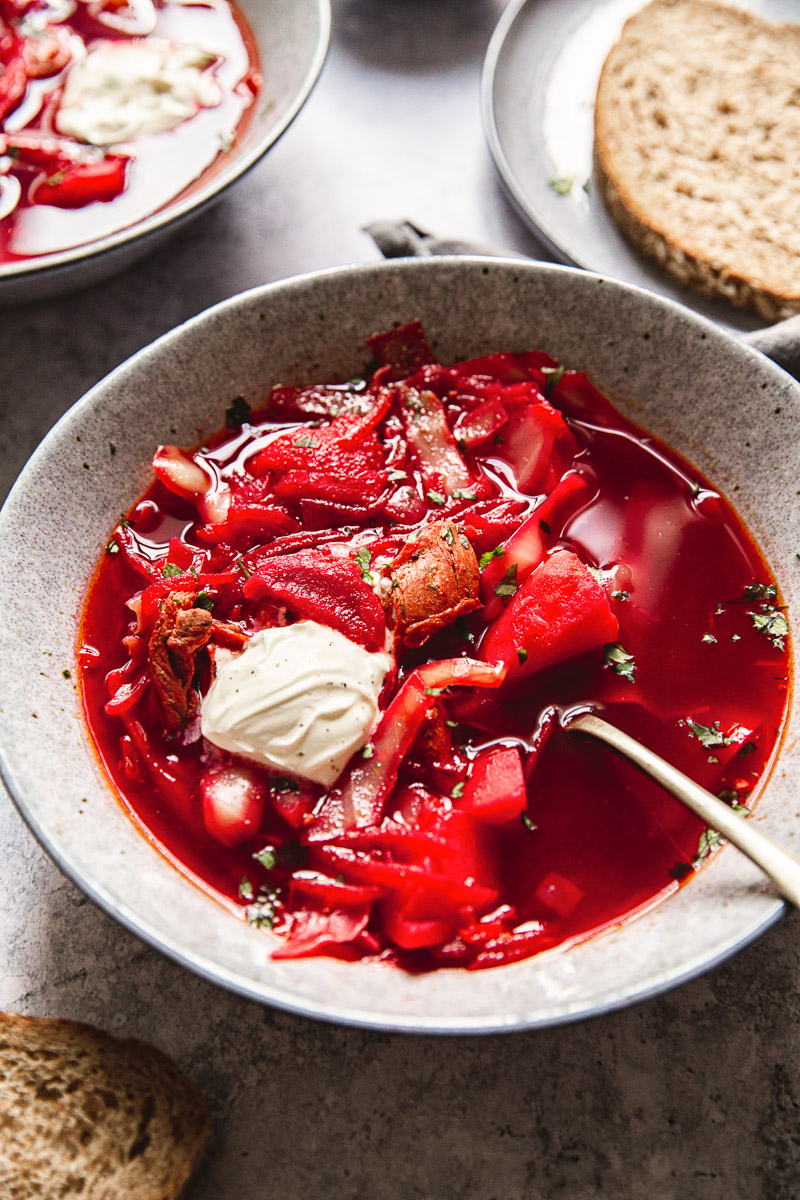
In Ukraine, serving borscht without pampushky is considered incomplete — they are as inseparable as bread and butter.
Chef's Notes
Equipment Tips
- mixing bowl
- baking sheet
- clean towel
Garnishing
garlic-dill oil glaze
Accompaniments
The Story Behind Пампушки
Pampushky have been part of Ukrainian bread-making tradition since at least the 17th century, when wheat flour became widely available. The garlic sauce was both a flavor enhancer and a folk remedy believed to ward off illness.
They are inseparable from borscht culture — no proper bowl of borscht is served without a basket of fragrant pampushky on the side.
Modern bakeries across Ukraine produce pampushky daily, and they have become a symbol of Ukrainian hospitality, always offered warm and generously doused in garlic sauce.

Comments (0)
Log in to leave a comment.
No comments yet. Be the first to share your thoughts!