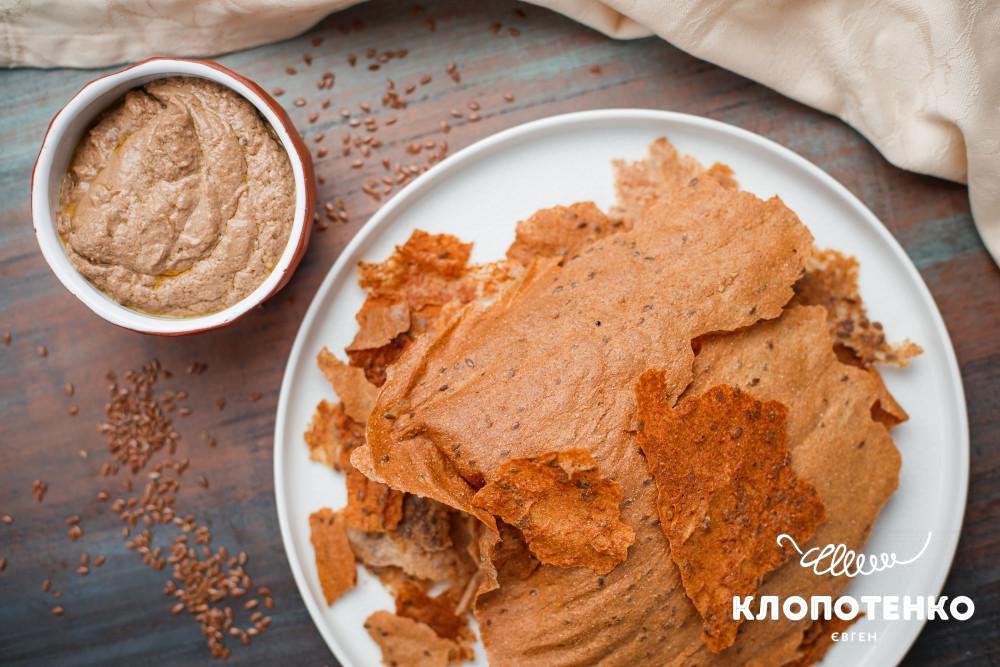
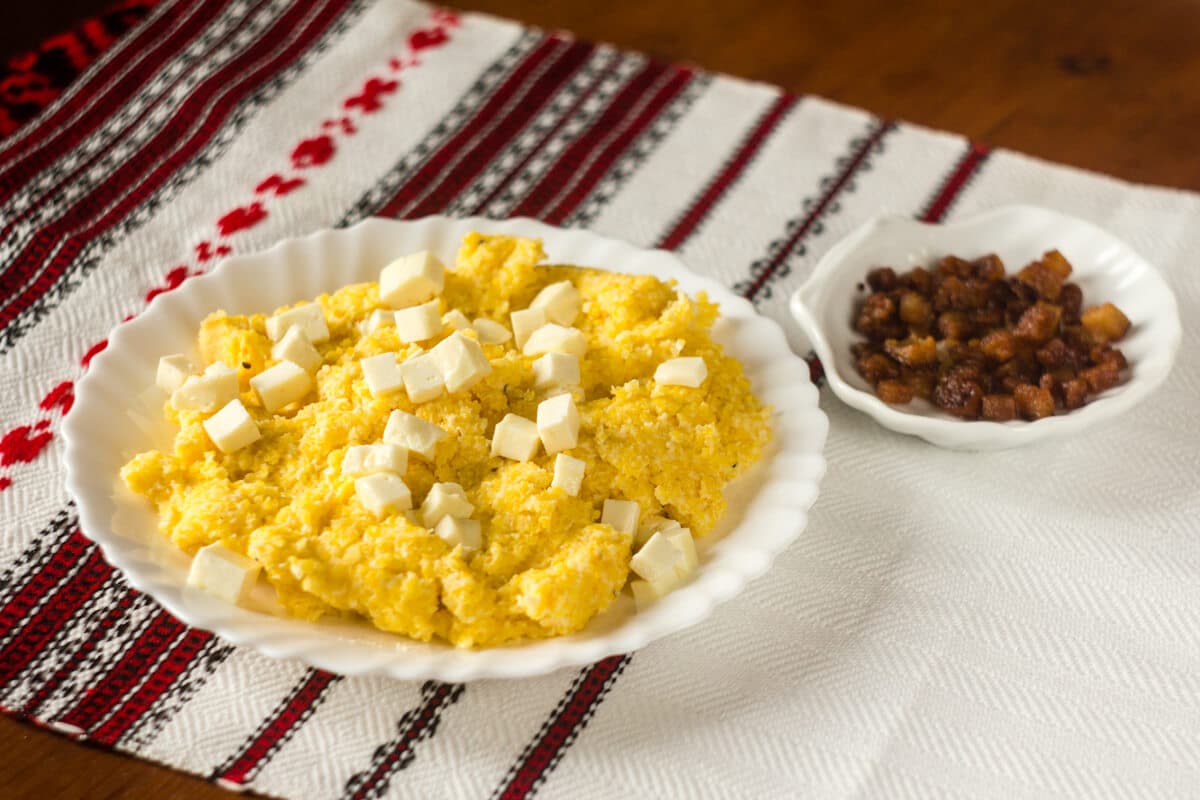
A dense, satisfying porridge made from toasted buckwheat flour, cooked until thick and served with butter and fried onions — one of Ukraine's oldest peasant staples.
Nutrition & Info
Equipment Needed
Presentation Guide
Vessel: rustic ceramic bowl
Garnishes: fried onions, butter pat
Accompaniments: pickled cucumbers
Instructions
-
1
Bring salted water to a boil in a heavy pot.
-
2
Gradually pour buckwheat flour into boiling water in a thin stream, stirring vigorously with a wooden spoon to prevent lumps.
-
3
Reduce heat to low and cook, stirring frequently, for 10-12 minutes until the porridge is very thick and pulls away from the sides.
-
4
Meanwhile, fry sliced onion in vegetable oil until deep golden and crispy, about 8 minutes.
-
5
Stir butter into the hot porridge until melted.
-
6
Serve in bowls topped with fried onions and extra butter.
Did You Know?
Lemishka was so common in Cossack diets that the phrase 'to eat lemishka' became synonymous with enduring hardship — simple food for tough times.
Chef's Notes
Equipment Tips
- heavy-bottomed pot
- wooden spoon
- skillet
Garnishing
fried onions, butter pat
Accompaniments
pickled cucumbers
The Story Behind Лемішка
Lemishka is one of the most ancient dishes in Ukrainian cuisine, predating the introduction of potatoes and many modern grains. Made from buckwheat flour and water, it sustained generations of Ukrainian peasants and Cossack warriors with its simple, filling character.
As an everyday peasant food, lemishka was eaten at breakfast, lunch, and dinner, varied only by its toppings — butter for those who could afford it, onions and oil for everyone else.
Today lemishka is being rediscovered by Ukrainian chefs interested in heritage cuisine, appearing on menus as a rustic side dish that connects diners to the deep roots of Ukrainian agricultural life.



Comments (0)
Log in to leave a comment.
No comments yet. Be the first to share your thoughts!