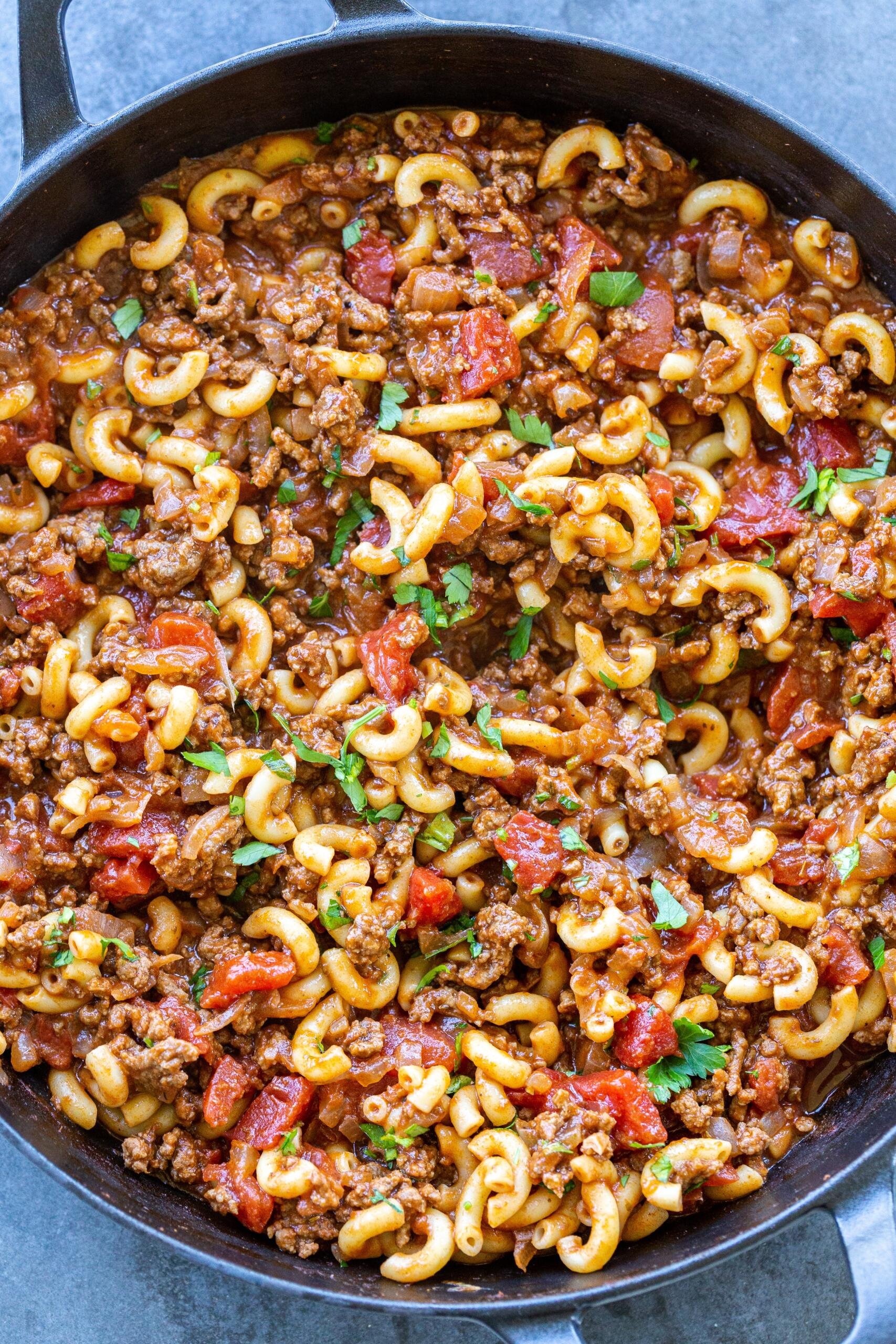
Chunks of beef slow-simmered with paprika, onions, and tomatoes into a thick, rich stew — Ukraine's hearty answer to cold weather.
Nutrition & Info
Allergen Warnings
Equipment Needed
Presentation Guide
Vessel: deep bowl
Garnishes: sour cream, fresh parsley
Accompaniments: crusty bread, boiled potatoes
Instructions
-
1
Brown beef cubes in oil in a heavy pot over high heat, working in batches. Remove and set aside.
-
2
Reduce heat, add sliced onions, and cook slowly for 10 minutes until deeply golden.
-
3
Add paprika and stir for 30 seconds (do not burn). Add tomato paste and cook 1 minute.
-
4
Return beef to pot, add bell peppers, garlic, broth, bay leaf, and caraway seeds.
-
5
Bring to a simmer, cover, and cook on low heat for 1.5 hours until beef is fork-tender.
-
6
Season with salt and pepper. Serve hot with sour cream and crusty bread.
Did You Know?
Ukrainian goulash uses significantly more paprika than its Hungarian cousin and is served thicker, almost like a sauce rather than a soup.
Chef's Notes
Equipment Tips
- heavy Dutch oven
- sharp knife
- wooden spoon
Garnishing
sour cream, fresh parsley
Accompaniments
crusty bread, boiled potatoes
The Story Behind Гуляш
Ukrainian goulash evolved from Hungarian influences during the centuries when western Ukraine was part of the Austro-Hungarian Empire. Ukrainian cooks adapted the dish to local tastes, making it thicker and richer than the Hungarian original.
Served as a hearty winter dinner, huliash became especially popular in western Ukrainian regions (Galicia, Transcarpathia) where the Austro-Hungarian influence was strongest.
Today huliash is a comfort food standard across Ukraine, served in both home kitchens and restaurants, especially during the cold months from October through March.


Comments (0)
Log in to leave a comment.
No comments yet. Be the first to share your thoughts!