
Large, round flatbreads baked in a tandoor oven with decorative patterns stamped on top. The sacred bread of Turkmenistan.
Instructions
-
1
Combine the flour, yeast, and salt in a large mixing bowl, making a well in the centre. Pour in the warm water and oil, then mix with your hands until a shaggy dough forms. Turn out onto a lightly floured surface and knead vigorously for ten minutes until smooth and elastic.
-
2
Shape the dough into a ball, place it in a lightly oiled bowl, and cover tightly with a clean cloth or plastic wrap. Leave in a warm place for one hour until the dough has doubled in size, indicating that the yeast has fully activated and created an airy structure.
-
3
Punch down the risen dough to release trapped gas and divide it into two equal portions. Shape each portion into a smooth, round disc about two centimetres thick and twenty centimetres in diameter, ensuring the surface is taut and even across the entire flatbread.
-
4
Using a traditional bread stamp, fork, or the tip of a knife, press a decorative pattern into the top surface of each disc. This is not merely ornamental; the pattern prevents the bread from puffing unevenly during baking and is a hallmark of authentic Turkmen chorek.
-
5
Sprinkle the sesame seeds and nigella seeds generously over the stamped surface of each bread, pressing them lightly into the dough so they adhere during baking. Transfer the breads carefully to a parchment-lined baking sheet and let them rest for fifteen minutes.
-
6
Preheat the oven to two hundred and twenty degrees Celsius. Place the baking sheet in the oven and bake for eighteen to twenty-two minutes until the chorek is deeply golden brown on top and sounds hollow when tapped on the bottom, indicating a fully baked interior.
-
7
Remove the chorek from the oven and let it cool on a wire rack for ten minutes before slicing. The bread should have a crisp, seed-covered crust with a soft, slightly chewy interior. Serve warm alongside soups, stews, or grilled meats in the traditional Turkmen manner.
Did You Know?
Each Turkmen tribe has its own distinctive bread stamp pattern, making chorek a form of cultural identity.
The Story Behind Chorek
The Story: Chorek is Turkmenistan's signature flatbread, a large, round loaf baked on the inner wall of a tamdyr (clay tandoor oven), producing a bread with a crisp, slightly charred exterior and a soft, chewy interior. The surface is traditionally decorated with intricate stamped patterns using a chekich (bread stamp), transforming each loaf into an edible work of art. Bread-baking in clay ovens is an ancient Central Asian tradition stretching back millennia, and Turkmen chorek represents one of the most refined expressions of this craft. Each region and tribe has its own characteristic patterns and dough formulations.
On the Calendar: Chorek is everyday bread, baked fresh and present at every meal. Specially decorated loaves are prepared for weddings, holidays, and important celebrations, where the beauty of the bread reflects the significance of the occasion.
Then and Now: While commercial bakeries now produce chorek, traditional tamdyr baking remains widespread in rural Turkmenistan and is considered essential for producing the finest bread. The art of bread-stamping is recognized as an important element of Turkmen cultural heritage.
Legacy: Chorek is the sacred center of the Turkmen table, a bread that carries within its stamped patterns the artistic heritage of nomadic civilization and the ancient wisdom of clay-oven baking.
More Turkmen Dishes
Balyk Beshbarmak
Fish with Noodles
Lunch or dinner in Caspian coastal regions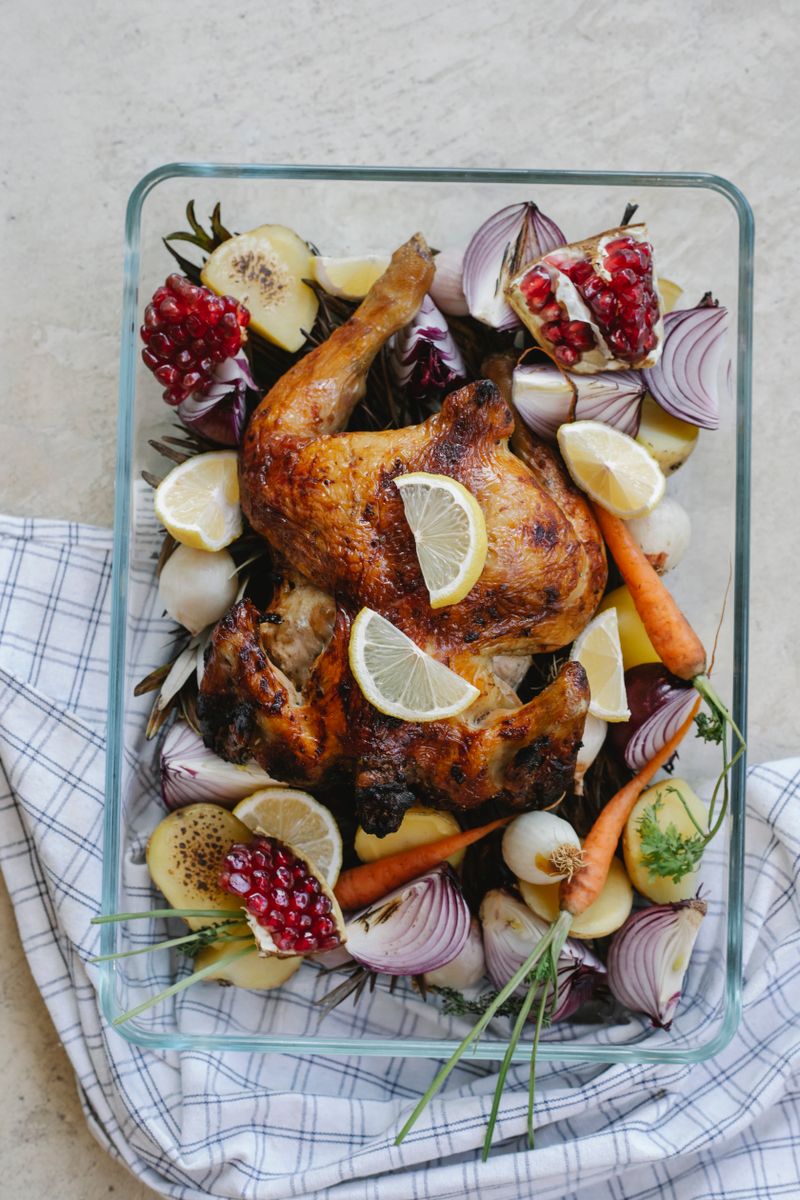 Easy
📜 Story
Easy
📜 Story
Byzmyk
Turkmen Pasta with Yogurt
Lunch or family dinner Medium
📜 Story
Medium
📜 Story
Dograma
Shredded Bread and Meat Stew
Wedding feasts and celebrations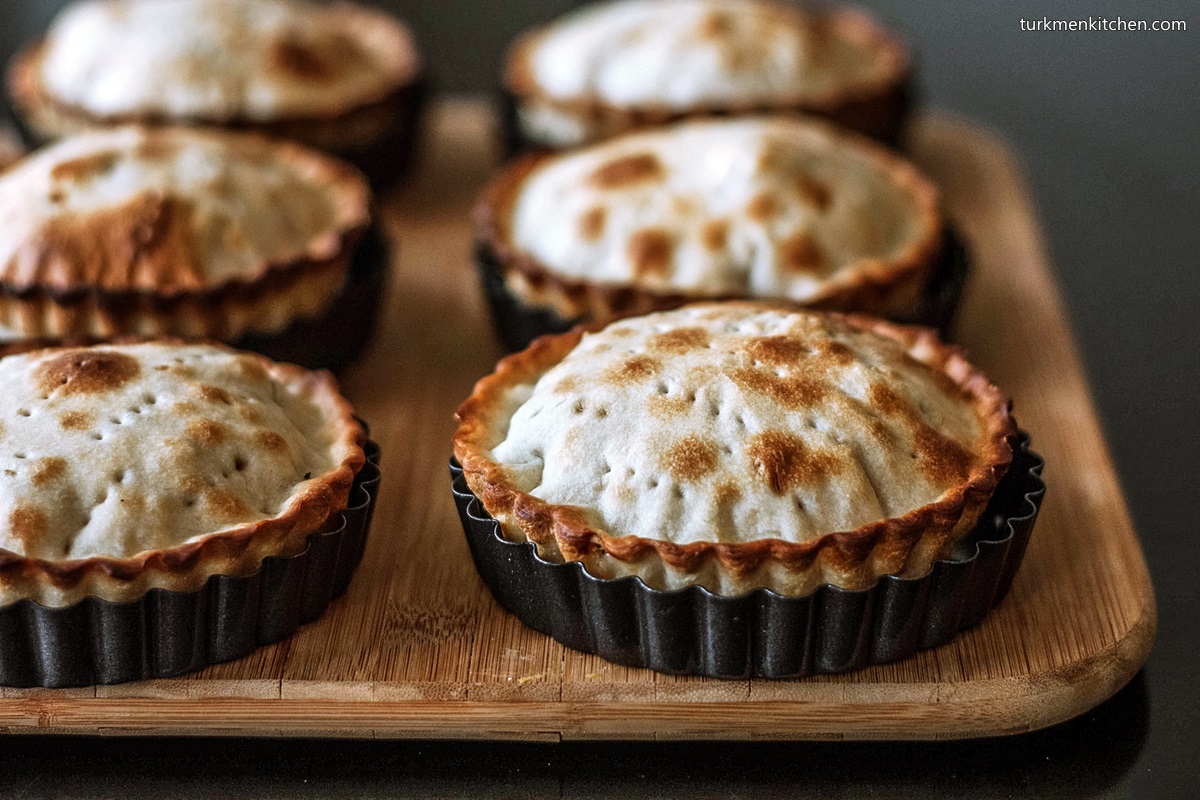 Medium
📜 Story
Medium
📜 Story
Fitchi
Turkmen Layered Meat Pie
Lunch or special occasions
Comments (0)
Log in to leave a comment.
No comments yet. Be the first to share your thoughts!