Lamb brisket wrapped in taro leaves with coconut cream, onions, and tomatoes, slow-baked until meltingly tender.
Nutrition & Info
Allergen Warnings
Equipment Needed
Presentation Guide
Vessel: unwrapped taro leaf parcel
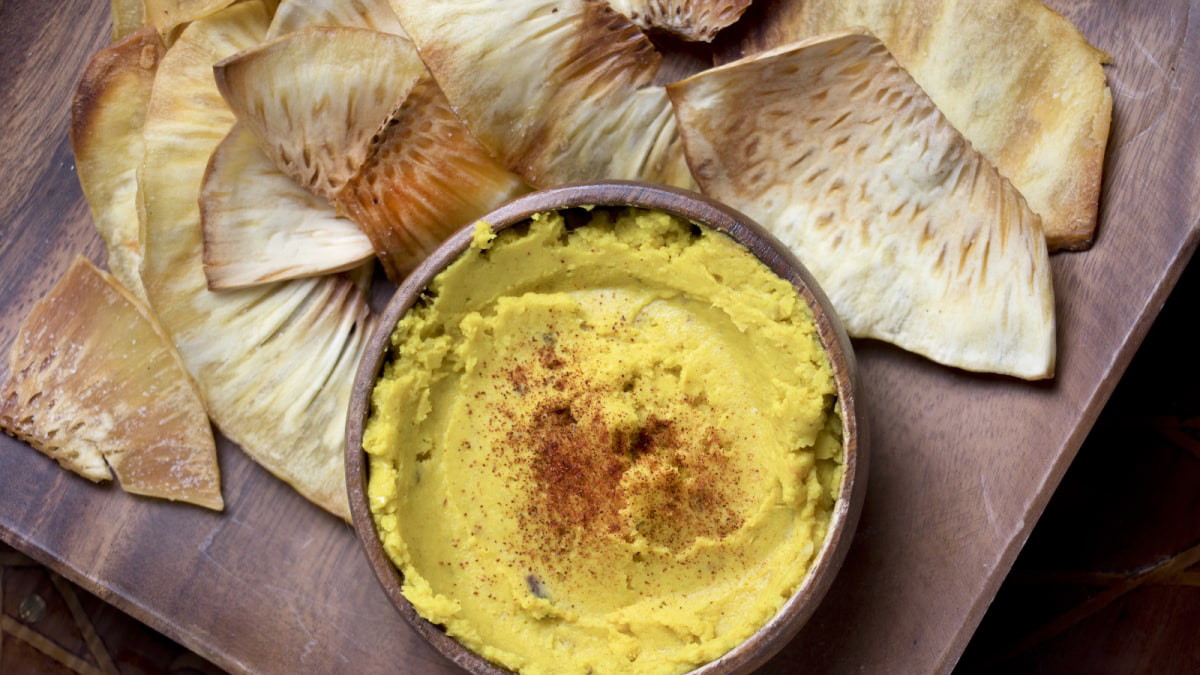
Accompaniments: steamed taro, breadfruit
Instructions
-
1
Wash the taro leaves thoroughly under running water and remove the tough central stems and thick veins from each leaf. Layer three to four leaves flat on a clean surface in overlapping fashion to create a sturdy base for each parcel.
-
2
Season the lamb cubes with salt and divide them evenly among the taro leaf bases. Top each portion of lamb with a share of the diced onion and chopped tomato, distributing the vegetables evenly across all the parcels.
-
3
Pour a generous amount of coconut cream over the lamb and vegetables in each parcel, using approximately half a cup per bundle. The cream will slowly infuse the lamb as it cooks, creating a rich and silky braising liquid inside each bundle.
-
4
Fold the taro leaves over the filling carefully, tucking the edges inward to form a secure, tight parcel that prevents any liquid from escaping. Wrap each taro leaf bundle in banana leaves or aluminium foil, sealing the edges firmly.
-
5
Place the wrapped parcels seam-side down in a deep baking dish. Pour a small amount of water into the bottom of the dish to create steam during cooking. Cover tightly with a lid or foil and bake at one hundred and eighty degrees Celsius for two hours.
-
6
Check the parcels after two hours by carefully opening one to test the lamb, which should be extremely tender and falling apart easily. The taro leaves must be fully cooked through, as they contain calcium oxalate crystals that are only neutralised by thorough cooking.
-
7
Serve the parcels whole on plates, allowing each diner to unwrap their own bundle. The coconut cream will have reduced into a rich, savoury sauce surrounding the tender lamb and silky taro leaves. Accompany with steamed rice or root vegetables.
Did You Know?
Lu sipi is the most popular version of lu in Tonga — 'sipi' is the Tongan word borrowed from English 'sheep.'
Chef's Notes
Equipment Tips
- taro leaves
- aluminum foil
- underground oven (umu) or regular oven
Accompaniments
steamed taro, breadfruit
The Story Behind Lu Sipi
The Story: Lu sipi is a Tongan dish of lamb or mutton cooked in coconut cream and wrapped in taro leaves, then slow-cooked in an umu (underground earth oven) or modern oven until the leaves are tender and the coconut cream has thickened into a rich sauce. The dish represents the meeting of traditional Polynesian leaf-cooking techniques with the imported ingredient of lamb, which arrived with European contact. Tonga's historical trading relationship with New Zealand, one of the world's largest lamb producers, made lamb accessible and popular. The taro leaf wrapping is an ancient Polynesian technique shared with Samoan palusami and Fijian lovo preparations.
On the Calendar: Lu sipi is a Sunday feast staple and a celebration dish, prepared for church gatherings, weddings, funerals, and family occasions. It is one of the most anticipated dishes at any Tongan umu feast.
Then and Now: While the umu remains the traditional cooking method, modern Tongan households often prepare lu sipi in conventional ovens or on the stovetop, making it more accessible for weeknight cooking. The dish has traveled with the Tongan diaspora to New Zealand, Australia, and the United States.
Legacy: Lu sipi is the bridge between ancient Polynesian technique and modern Pacific ingredients, a dish that wraps imported lamb in indigenous leaves and cooks it with the fire and earth of three thousand years of island tradition.


Comments (0)
Log in to leave a comment.
No comments yet. Be the first to share your thoughts!