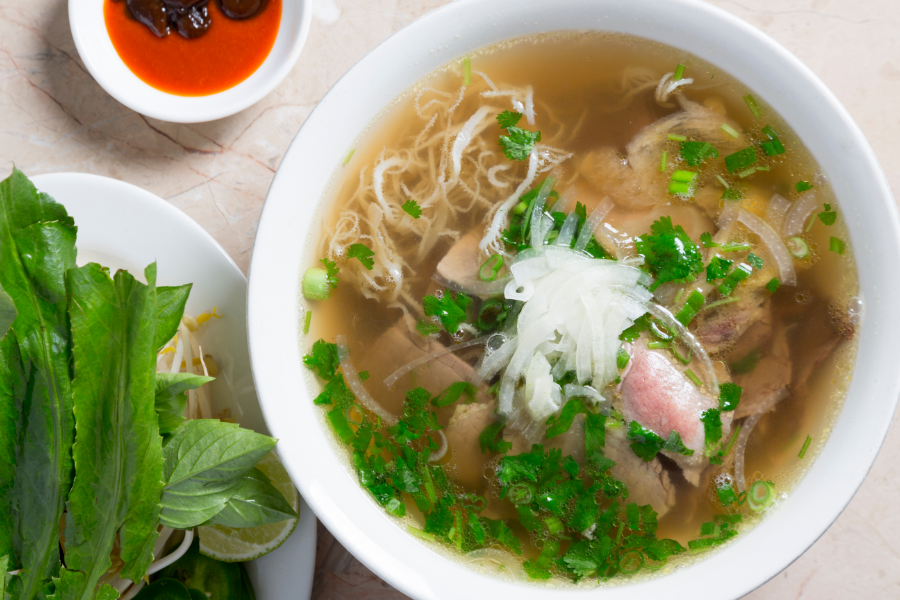
Tender chunks of beef slow-braised in rich coconut milk with turmeric, ginger, lemongrass, and chili, producing a deeply aromatic golden stew that is central to Timorese celebrations.
Nutrition & Info
Equipment Needed
Presentation Guide
Vessel: large communal clay bowl
Garnishes: sliced red chili, fried shallots
Accompaniments: steamed white rice, sauteed greens
Instructions
-
1
Pound coriander seeds, turmeric, and ginger in a mortar to form a rough paste.
-
2
Heat coconut oil in a heavy pot over medium heat. Fry shallots and garlic until fragrant and golden, about three minutes.
-
3
Add the spice paste and lemongrass, stirring for two minutes until very aromatic.
-
4
Add beef cubes and sear on all sides for five minutes, coating each piece with the spice mixture.
-
5
Pour in coconut milk and water. Bring to a gentle boil then reduce heat to low and cover.
-
6
Simmer for ninety minutes, stirring occasionally, until beef is fork-tender and sauce has thickened to a rich golden gravy.
Did You Know?
Tukir is considered the most important ceremonial dish in East Timor and no wedding feast is complete without it.
Chef's Notes
Equipment Tips
- heavy pot or Dutch oven
- wooden spoon
- mortar and pestle
Garnishing
sliced red chili, fried shallots
Accompaniments
steamed white rice, sauteed greens
The Story Behind Tukir
Tukir represents the heart of Timorese ceremonial cuisine, a dish that has been prepared for centuries to mark the most significant moments in community life. The slow braising of beef in coconut milk reflects the patience and communal effort central to Timorese culture. During Portuguese colonial rule, tukir remained a distinctly local dish that resisted outside influence, making it a powerful symbol of cultural identity during the independence struggle.
More Timorese Dishes
 Easy
📜 Story
Easy
📜 Story
Ai Farina
Cassava Flour Porridge
Breakfast and emergency food during lean times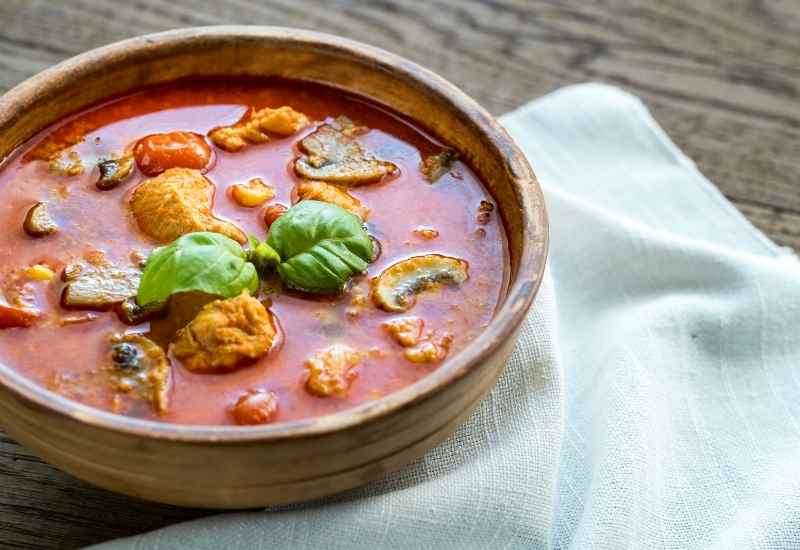 Easy
📜 Story
Easy
📜 Story
Ai Manas Sauce
Timorese Chili Condiment
Every meal, served as a table condiment Easy
📜 Story
Easy
📜 Story
Batar Da'an
Corn and Bean Stew
Lunch, dinner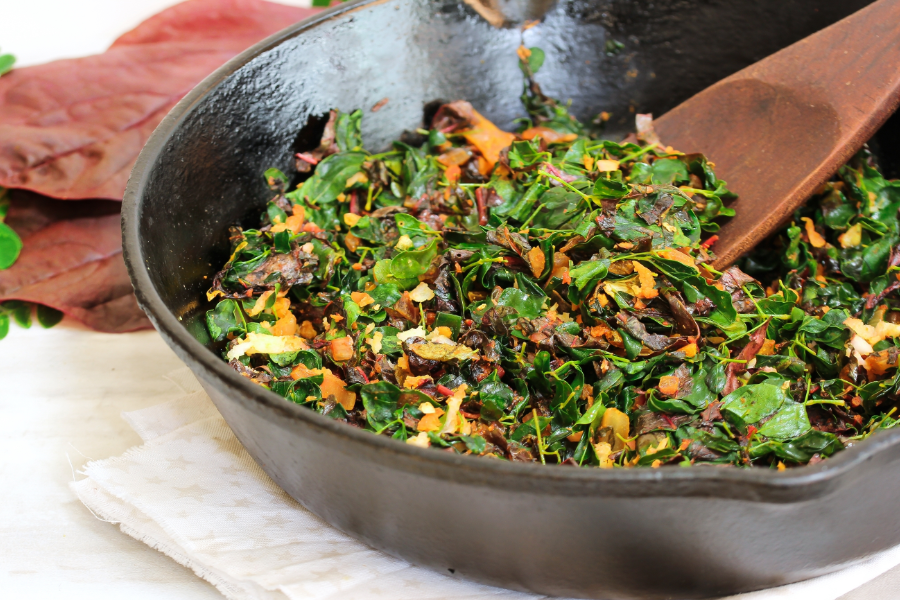 Easy
📜 Story
Easy
📜 Story
Batar Da'an Mean
Corn and Red Bean Stew
Daily meals in highland communities
Comments (0)
Log in to leave a comment.
No comments yet. Be the first to share your thoughts!