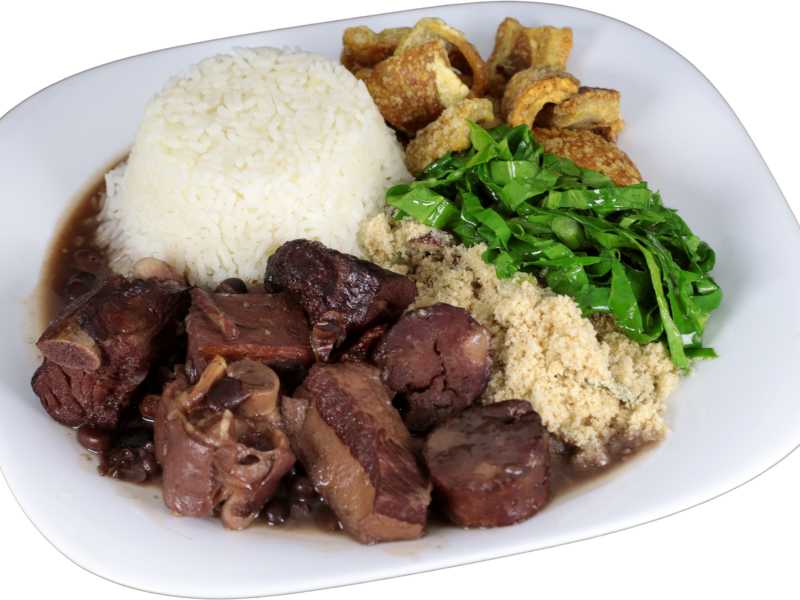
Feijoada Timorense
Feijoada (fay-ZHWA-da tee-mo-REN-see)
Timorese Bean Stew
A hearty stew of red kidney beans slow-cooked with beef, onions, tomatoes, garlic, and bay leaves, adapted from the Portuguese feijoada but made without any meat products.
Nutrition & Info
Equipment Needed
Presentation Guide
Vessel: deep earthenware bowl
Garnishes: chopped parsley, sliced onion
Accompaniments: steamed white rice, modo tahan
Instructions
-
1
Drain soaked beans and rinse well. Set aside.
-
2
Heat oil in a large pot over high heat. Brown beef cubes in batches until deeply seared on all sides.
-
3
Add onions and garlic to the pot. Cook until softened, about four minutes.
-
4
Add tomatoes, cumin, paprika, and bay leaves. Stir and cook two minutes.
-
5
Add beans and water. Bring to a boil, then reduce heat to low and cover.
-
6
Simmer for two hours, stirring occasionally, until beans are creamy and beef is very tender. Season with salt and pepper.
Did You Know?
Unlike the Brazilian and Portuguese versions that rely heavily on pork, Timorese feijoada uses beef exclusively, adapted to local dietary customs.
Chef's Notes
Equipment Tips
- large heavy pot
- colander
- wooden spoon
Garnishing
chopped parsley, sliced onion
Accompaniments
steamed white rice, modo tahan
The Story Behind Feijoada Timorense
Feijoada Timorense is one of the most visible legacies of four hundred years of Portuguese rule in East Timor. The original Portuguese dish, built around pork and sausages, was reimagined by Timorese cooks who substituted beef and local spices while keeping the slow-braised bean foundation. This adaptation reflects the broader pattern of Timorese cuisine absorbing colonial influences while maintaining its own identity.
More Timorese Dishes
 Easy
📜 Story
Easy
📜 Story
Ai Farina
Cassava Flour Porridge
Breakfast and emergency food during lean times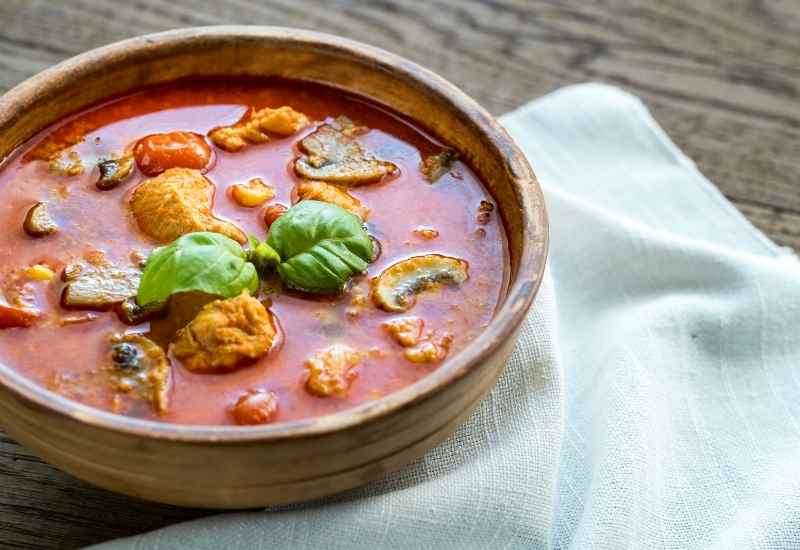 Easy
📜 Story
Easy
📜 Story
Ai Manas Sauce
Timorese Chili Condiment
Every meal, served as a table condiment Easy
📜 Story
Easy
📜 Story
Batar Da'an
Corn and Bean Stew
Lunch, dinner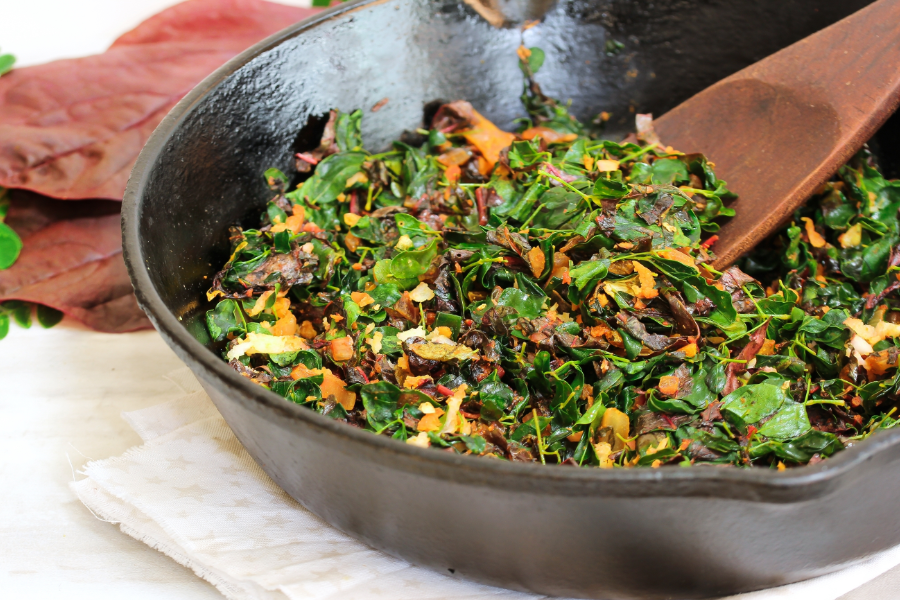 Easy
📜 Story
Easy
📜 Story
Batar Da'an Mean
Corn and Red Bean Stew
Daily meals in highland communities
Comments (0)
Log in to leave a comment.
No comments yet. Be the first to share your thoughts!