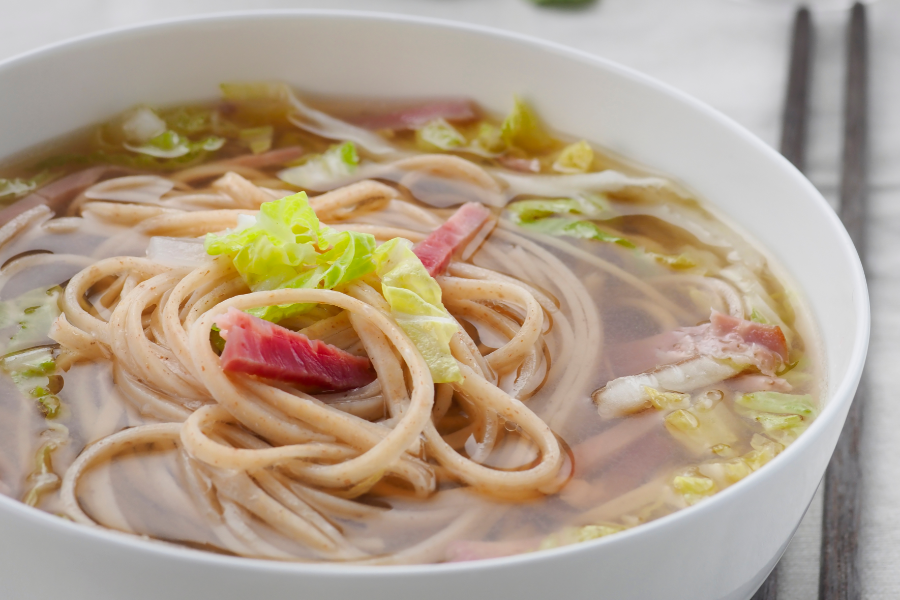
A fragrant curry of chicken simmered in coconut milk with turmeric, candlenut, galangal, and kaffir lime leaves, reflecting the blend of Southeast Asian and Portuguese influences in Timorese cooking.
Nutrition & Info
Allergen Warnings
Equipment Needed
Presentation Guide
Vessel: deep ceramic bowl
Garnishes: kaffir lime leaf, sliced red chili
Accompaniments: steamed rice, cucumber slices
Instructions
-
1
Pound candlenuts, turmeric, galangal, and chilies into a coarse paste using a mortar and pestle.
-
2
Heat oil in a heavy saucepan. Fry shallots and garlic until golden, about three minutes.
-
3
Add the spice paste and fry for two minutes until fragrant and the oil separates slightly.
-
4
Add chicken pieces, turning to coat in the spice mixture. Cook five minutes until lightly sealed.
-
5
Pour in coconut milk and water. Add lemongrass and kaffir lime leaves. Bring to a simmer.
-
6
Cook uncovered on low heat for forty minutes until chicken is tender and sauce has reduced to a thick, rich curry.
Did You Know?
The word caril entered the Tetum language through Portuguese, who themselves borrowed it from the Tamil word kari, tracing a spice route across three continents.
Chef's Notes
Equipment Tips
- heavy saucepan
- mortar and pestle
- sharp knife
Garnishing
kaffir lime leaf, sliced red chili
Accompaniments
steamed rice, cucumber slices
The Story Behind Caril Timorense
Caril Timorense embodies the unique cultural crossroads of East Timor, where Southeast Asian spice traditions met Portuguese colonial cuisine. Unlike Indian or Thai curries, the Timorese version uses candlenuts as a thickener and relies heavily on fresh turmeric rather than dried spice blends. The dish became a staple of Sunday family meals during the Portuguese period, a tradition that survived through Indonesian occupation and into independence.
More Timorese Dishes
 Easy
📜 Story
Easy
📜 Story
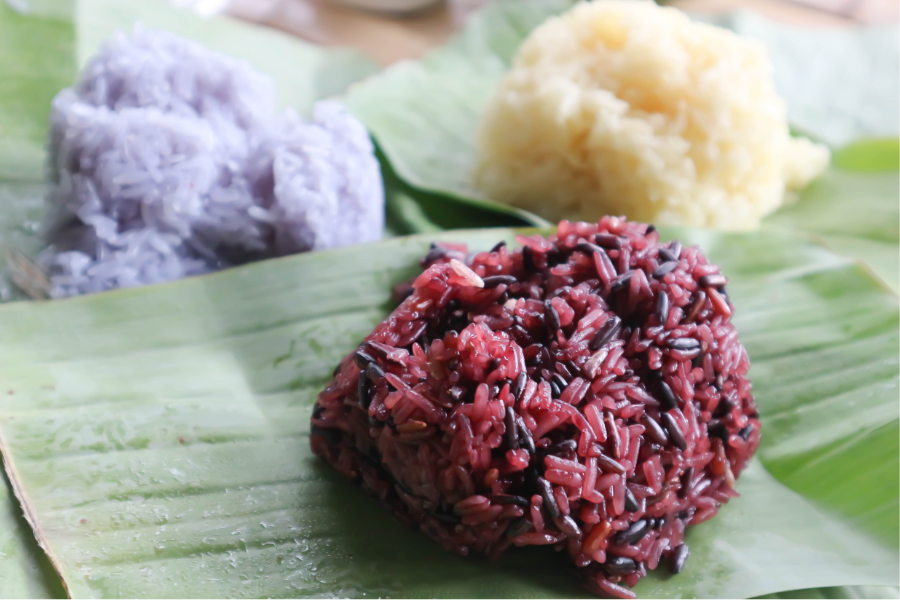
Ai Farina
Cassava Flour Porridge
Breakfast and emergency food during lean times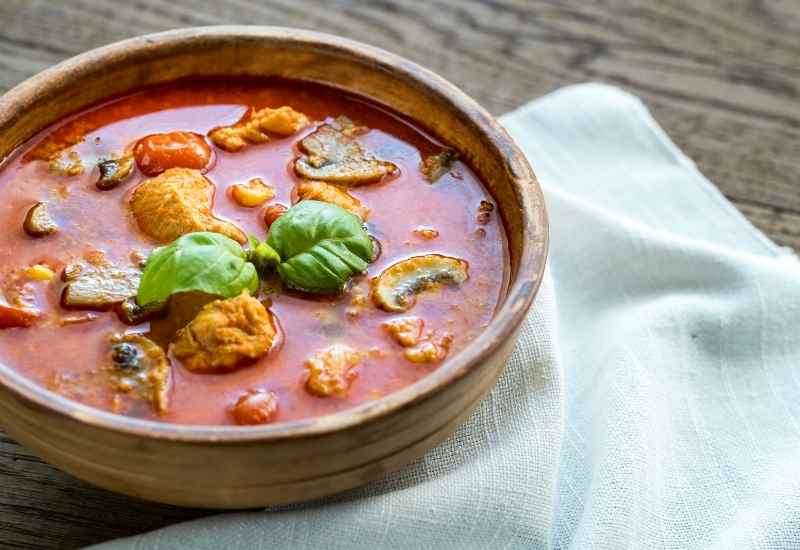 Easy
📜 Story
Easy
📜 Story
Ai Manas Sauce
Timorese Chili Condiment
Every meal, served as a table condiment Easy
📜 Story
Easy
📜 Story
Batar Da'an
Corn and Bean Stew
Lunch, dinner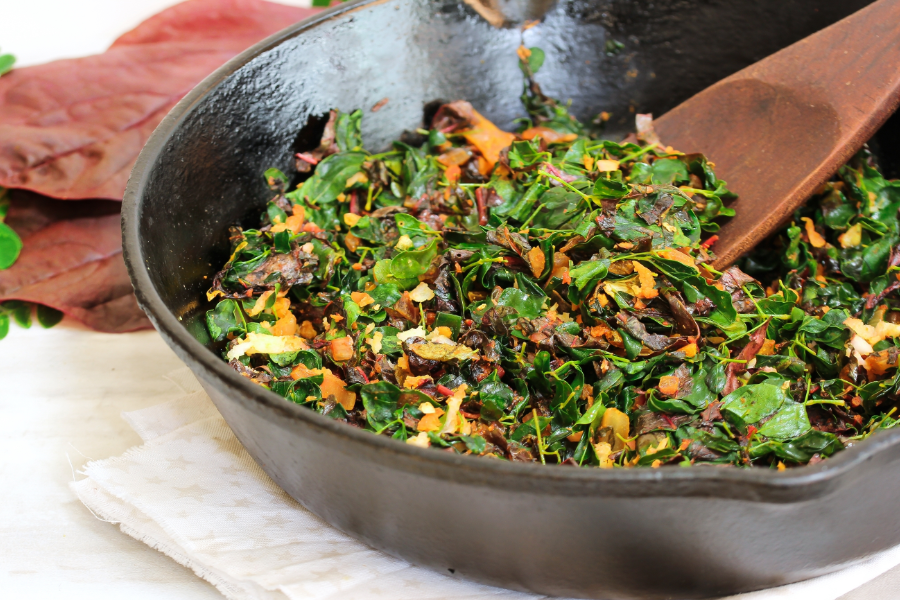 Easy
📜 Story
Easy
📜 Story
Batar Da'an Mean
Corn and Red Bean Stew
Daily meals in highland communities
Comments (0)
Log in to leave a comment.
No comments yet. Be the first to share your thoughts!