
Stir-fried rice noodles with shrimp, tofu, egg, and bean sprouts in tangy tamarind sauce, topped with peanuts and lime. Thailand's iconic street food.
Nutrition & Info
Allergen Warnings
Equipment Needed
Presentation Guide
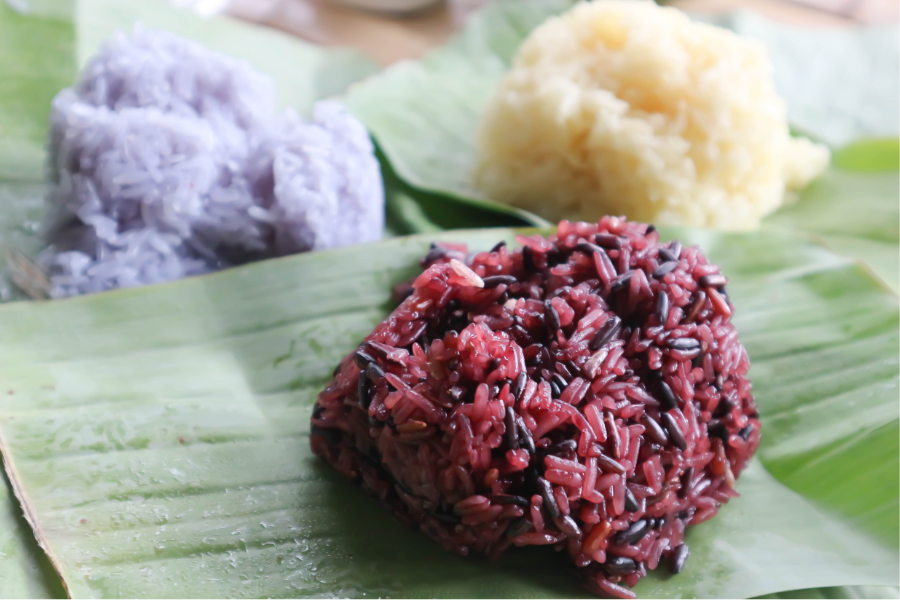
Vessel: flat plate or banana leaf
Garnishes: lime wedge, crushed peanuts, bean sprouts, fresh chili flakes
Accompaniments: Thai iced tea, fresh herbs
Instructions
-
1
Soak the flat rice noodles in room-temperature water for thirty minutes until they are flexible and pliable but still firm to the touch. Drain thoroughly and set aside on a clean towel, as excess water will cause the noodles to steam rather than stir-fry properly.
-
2
Prepare the pad thai sauce by whisking together the dissolved tamarind paste, fish sauce, and palm sugar in a small bowl until the sugar is fully dissolved. The sauce should taste sweet, sour, and salty in balanced proportions when sampled.
-
3
Heat one tablespoon of oil in a wok over high heat until smoking. Add the tofu cubes and fry until golden and crispy on all sides, about three minutes. Remove and set aside, then add the shrimp and stir-fry for ninety seconds until just pink.
-
4
Push the shrimp to one side of the wok and crack the eggs directly onto the hot surface. Scramble them quickly into large curds for about thirty seconds, then combine them with the shrimp before they become fully set and dry.
-
5
Add the remaining oil and the garlic and shallot, stir-frying for fifteen seconds until fragrant. Immediately add the drained noodles and pour the sauce over them. Toss continuously with tongs for two minutes, lifting and separating the noodles until they absorb the sauce evenly.
-
6
Return the tofu to the wok along with half the bean sprouts and the chive pieces. Toss everything together vigorously for thirty seconds to combine without overcooking the sprouts, which should retain a fresh crunch in the final dish.
-
7
Transfer to serving plates and garnish with the remaining fresh bean sprouts, crushed peanuts, lime wedges, and dried chilli flakes if desired. Serve immediately while the noodles are still hot and slightly caramelised from the high-heat cooking.
Did You Know?
Pad Thai was promoted by the government in the 1930s as a nation-building campaign — and it worked.
Chef's Notes
Equipment Tips
- wok
- wok spatula
- sharp knife
- large mixing bowl
Garnishing
lime wedge, crushed peanuts, bean sprouts, fresh chili flakes
Accompaniments
Thai iced tea, fresh herbs
The Story Behind ผัดไทย
## The Story
Pad Thai was born from nation-building. During World War II, Thailand faced rice shortages from war and flooding. Prime Minister Plaek Phibunsongkhram promoted noodle consumption to reduce rice demand, launching a national campaign called 'Noodle is Your Lunch.' The government distributed free noodle carts and standardized recipes for a new stir-fried rice noodle dish that would embody Thai identity. Although stir-fried rice noodles had arrived from China centuries earlier, pad Thai as a distinct dish was created in the 1930s-1940s.
## On the Calendar
Pad Thai is everyday street food and restaurant fare, eaten at lunch and dinner throughout Thailand. It has no particular seasonal or ceremonial association, reflecting its origins as utilitarian national food.
## Then & Now
From government-issued recipes, pad Thai became Thailand's most globally recognized dish. Street vendors across Bangkok have perfected their own versions, and the dish has become the gateway to Thai cuisine for millions worldwide. Thip Samai in Bangkok, open since 1966, remains one of the most famous pad Thai vendors.
## Legacy
Pad Thai stands as perhaps the most successful example of a government-engineered national dish, a wartime expedient that became an enduring symbol of Thai culinary identity.


Comments (0)
Log in to leave a comment.
No comments yet. Be the first to share your thoughts!