
Fragrant rice slow-cooked in rich coconut milk with a pinch of salt, producing tender grains with a subtle sweetness that pairs perfectly with coastal Swahili curries.
Nutrition & Info
Allergen Warnings
Equipment Needed
Presentation Guide
Vessel: large serving platter
Garnishes: toasted coconut flakes
Accompaniments: fish curry, mchuzi wa samaki
Instructions
-
1
Rinse rice thoroughly until water runs clear and drain well.
-
2
Combine coconut milk, water, and salt in a heavy pot and bring to a gentle boil.
-
3
Add rice and coconut oil, stir once, then reduce heat to lowest setting and cover tightly.
-
4
Cook for eighteen minutes without lifting the lid, allowing steam to do the work.
-
5
Remove from heat and let stand covered for five minutes, then fluff gently with a fork.
-
6
Serve as a bed for curries, stews, or grilled fish.
Did You Know?
Wali wa nazi is the daily staple of Zanzibar and the Swahili coast, where coconut palms have shaped cuisine for over a thousand years.
Chef's Notes
Equipment Tips
- heavy-bottomed pot
- wooden spoon
- lid
Garnishing
toasted coconut flakes
Accompaniments
The Story Behind Wali wa Nazi
Wali wa nazi is the foundation of Swahili coastal cooking, reflecting centuries of Indian Ocean trade that brought rice cultivation and coconut culture together on the East African shore. Arab, Persian, and Indian merchants all contributed to the refinement of this technique, making it a living artifact of maritime exchange. Every household along the Tanzanian coast has its own ratio of coconut milk to water, passed down through generations.
More Tanzanian Dishes
 Medium
📜 Story
Medium
📜 Story
Chapati
Tanzanian Flatbread
Everyday meals, especially with stews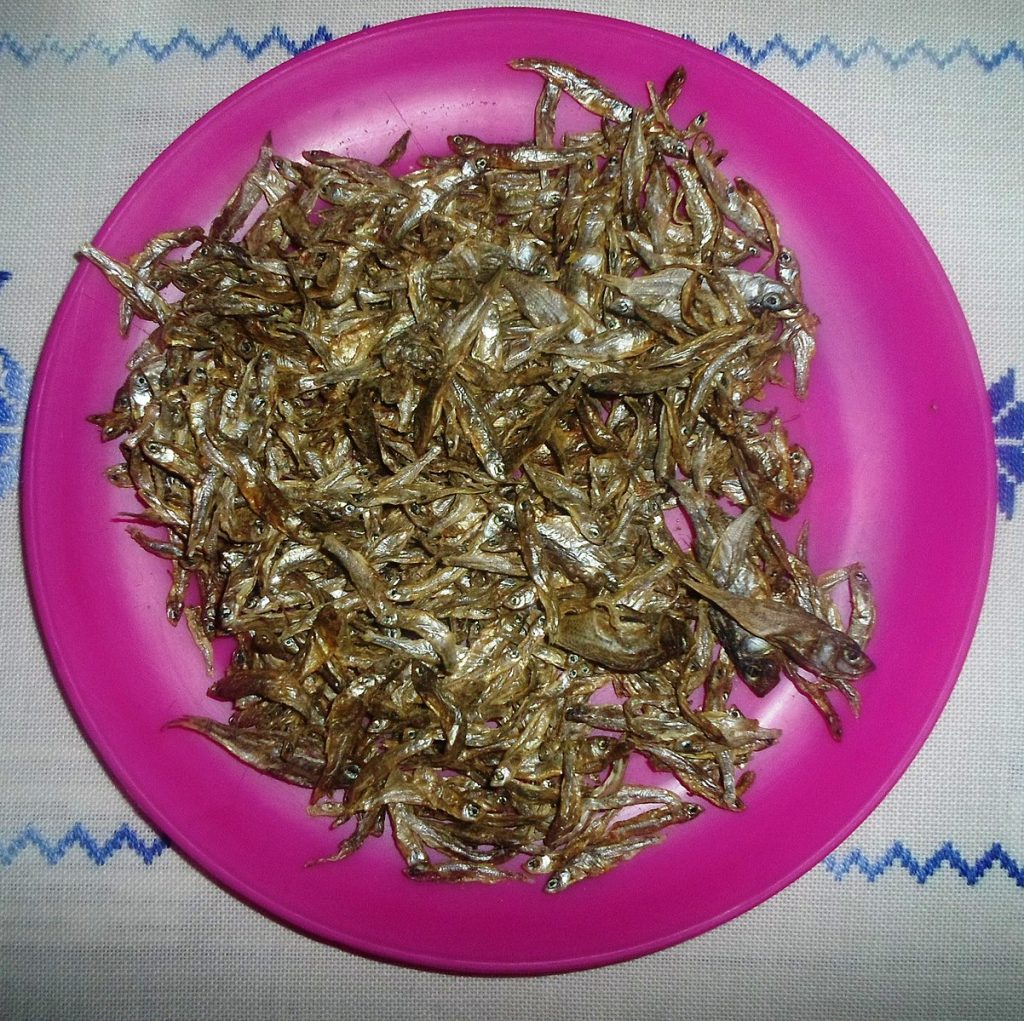 Easy
📜 Story
Easy
📜 Story
Dagaa wa Kukaanga
Fried Silver Sardines
Everyday meals, especially around Lake Victoria Easy
📜 Story
Easy
📜 Story
Kachumbari
Fresh Tomato Onion Salad
Accompaniment to any meal Easy
📜 Story
Easy
📜 Story
Kashata
Coconut Peanut Brittle
Snack and after meals
Comments (0)
Log in to leave a comment.
No comments yet. Be the first to share your thoughts!