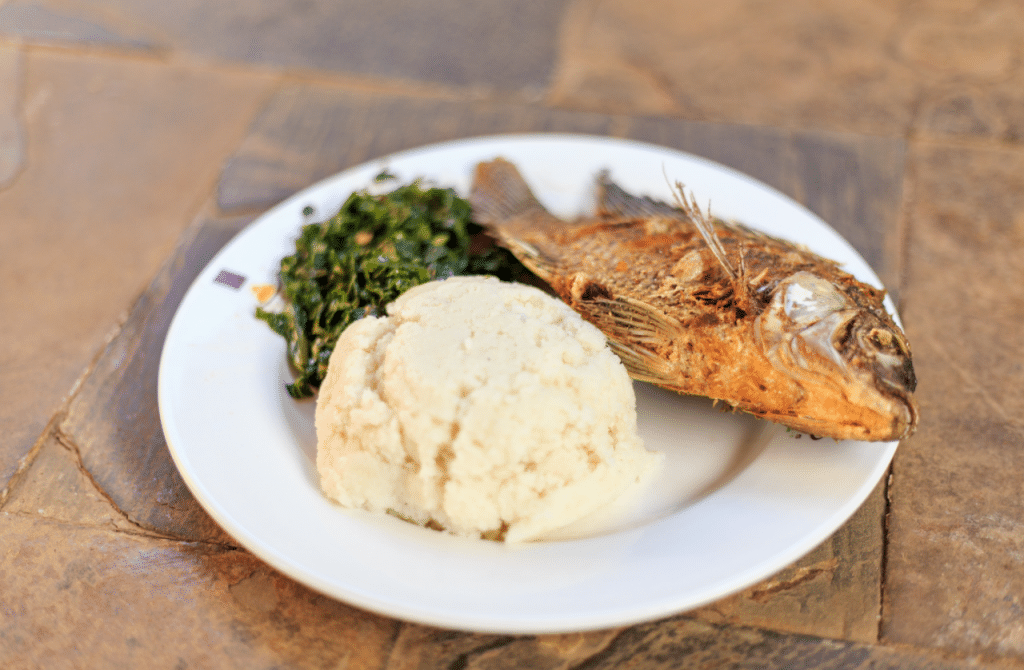
Tanzania's staple cornmeal mound — firm, smooth, and neutral-flavored, perfect for scooping up rich stews and sauces. No Tanzanian meal is complete without this humble masterpiece.
Nutrition & Info
Equipment Needed
Presentation Guide
Vessel: shared plate
Accompaniments: sukuma wiki (collard greens), nyama choma, beans
Instructions
-
1
Bring the three cups of water to a rolling boil in a heavy-bottomed medium saucepan. Add the salt if using. Set aside half a cup of hot water in a separate container to use for adjusting the consistency later.
-
2
Reduce the heat to medium-low and begin adding the cornmeal in small handfuls, about two tablespoons at a time, while stirring constantly with a sturdy flat wooden spoon to prevent any lumps from forming in the porridge.
-
3
Continue adding cornmeal gradually over the next three to four minutes, stirring vigorously between each addition. The mixture will begin to thicken noticeably and become increasingly difficult to stir as more flour is incorporated.
-
4
Once all the cornmeal is added, use the wooden spoon to press the mixture firmly against the sides and bottom of the pot, turning and folding it repeatedly. Cook for eight to ten minutes, stirring and pressing continuously.
-
5
The ugali is ready when it pulls away cleanly from the sides of the pot, forms a cohesive mass around the spoon, and has a slightly toasted corn aroma. The texture should be very firm and dense, much stiffer than porridge or polenta.
-
6
Wet a serving plate with water and turn the ugali out onto it in one piece by inverting the pot. Use a wet wooden spoon to smooth and shape it into a neat dome or rounded mound, the traditional presentation throughout East Africa.
-
7
Serve the ugali immediately alongside grilled meat, vegetable stews, sukuma wiki greens, or any saucy dish. To eat traditionally, pinch off a small ball with your right hand, make an indentation with your thumb, and scoop up the accompanying stew.
Did You Know?
In Tanzania, the ability to make perfect ugali — smooth without lumps and just the right firmness — is considered an essential life skill.
Chef's Notes
Equipment Tips
- heavy pot
- wooden spoon (mwiko)
Accompaniments
sukuma wiki (collard greens), nyama choma, beans
The Story Behind Ugali
The Story: Ugali is the staple food of mainland Tanzania, a stiff porridge made by stirring maize flour (or sometimes cassava flour) into boiling water until it reaches a dense, smooth consistency. Maize arrived in East Africa through Portuguese maritime trade in the sixteenth century and gradually supplanted indigenous millet and sorghum as the primary grain in many communities. Ugali is eaten by tearing off a small piece with the right hand, rolling it into a ball, and using it to scoop up accompanying stews, greens, and relishes.
On the Calendar: Ugali is eaten daily at lunch and dinner across most of mainland Tanzania. It is the constant around which all other dishes rotate, the essential presence at both ordinary family meals and festive tables.
Then & Now: The preparation of ugali has remained essentially unchanged since maize became dominant: flour, water, and vigorous stirring over heat. Regional preferences exist: some areas prefer a softer consistency, others a firmer one; cassava-based ugali is common in the south. In cities, ugali remains the most affordable and filling meal available.
Legacy: Ugali is Tanzania's daily bread, a food so fundamental to national life that its price is a political issue and its presence on the plate is a measure of basic well-being.
More Tanzanian Dishes
 Medium
📜 Story
Medium
📜 Story
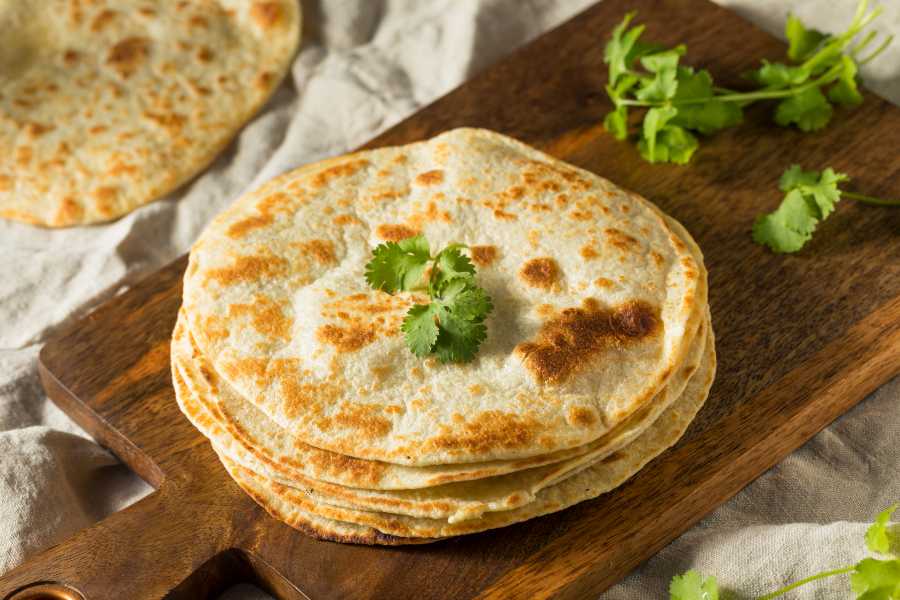
Chapati
Tanzanian Flatbread
Everyday meals, especially with stews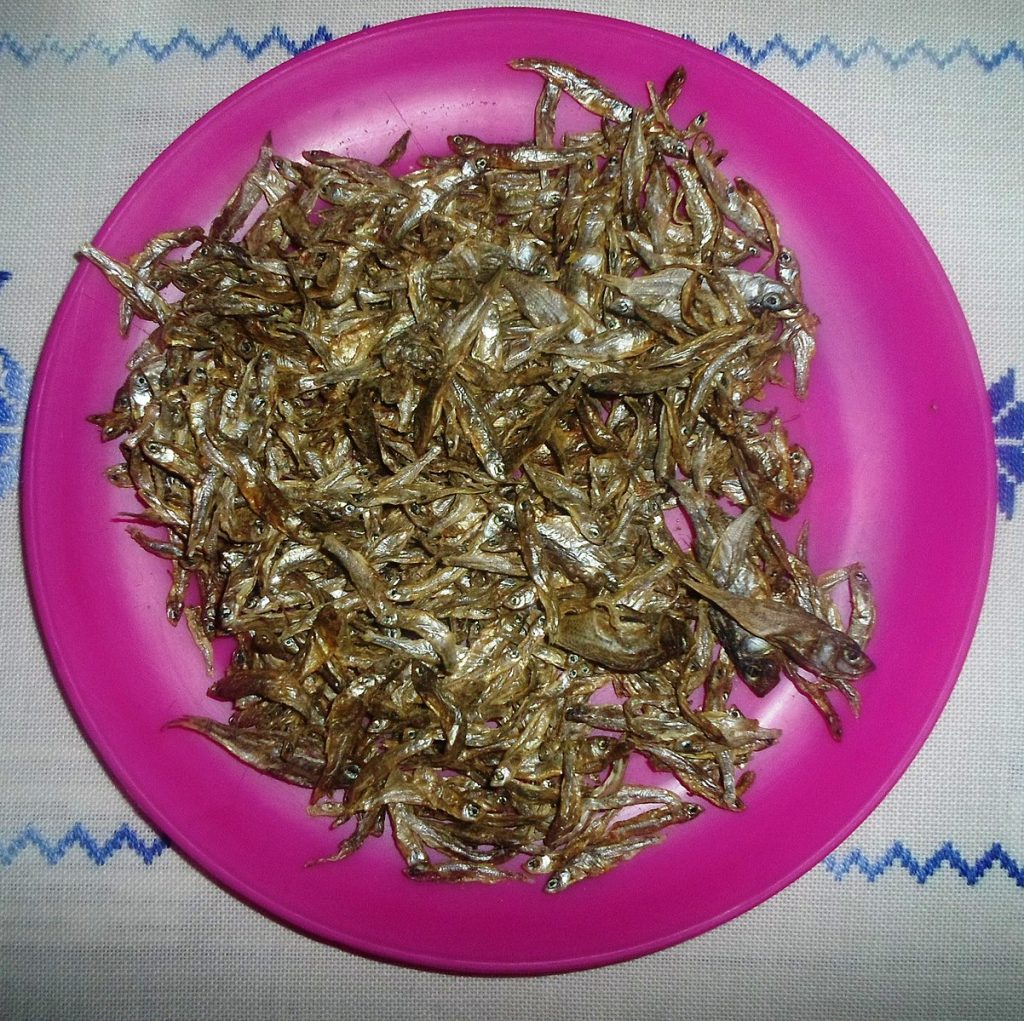 Easy
📜 Story
Easy
📜 Story
Dagaa wa Kukaanga
Fried Silver Sardines
Everyday meals, especially around Lake Victoria Easy
📜 Story
Easy
📜 Story
Kachumbari
Fresh Tomato Onion Salad
Accompaniment to any meal Easy
📜 Story
Easy
📜 Story
Kashata
Coconut Peanut Brittle
Snack and after meals
Comments (0)
Log in to leave a comment.
No comments yet. Be the first to share your thoughts!