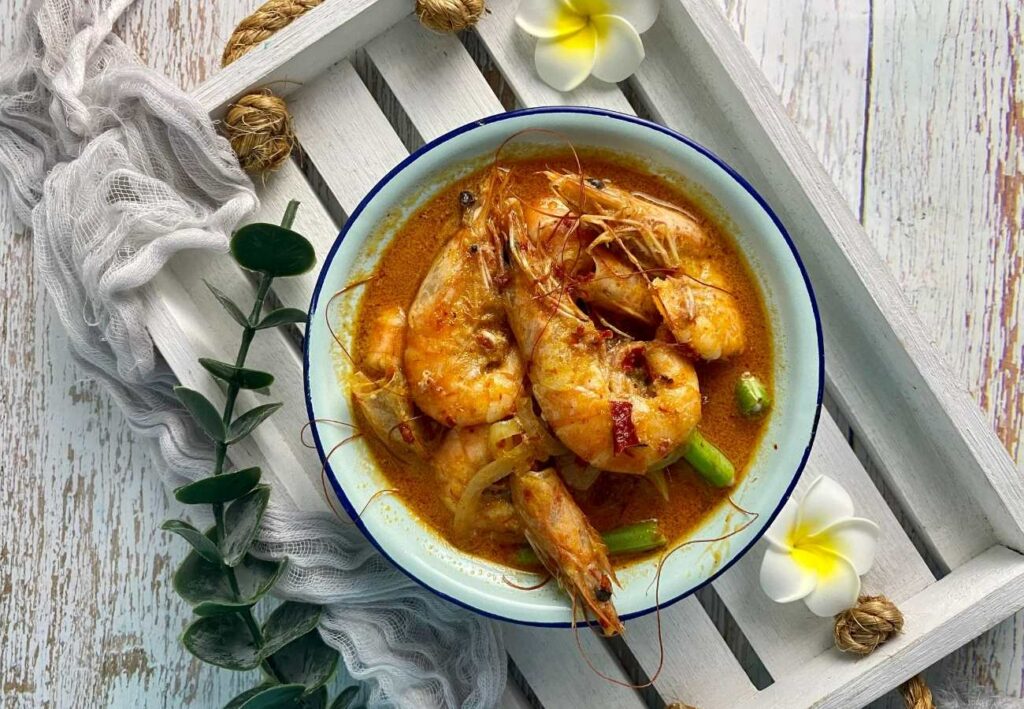
Pweza wa Nazi
Pweza wa Nazi (PWEH-zah wah NAH-zee)
Octopus in Coconut Sauce
Tender octopus slowly braised in spiced coconut sauce with garlic, ginger, and lime, a prized delicacy of the Zanzibar coast.
Nutrition & Info
Allergen Warnings
Equipment Needed
Presentation Guide
Instructions
-
1
Tenderize octopus by boiling in salted water for forty-five minutes until a knife slides in easily.
-
2
Drain and cut octopus into bite-sized pieces.
-
3
Sauté onions in oil until golden, add garlic, ginger, turmeric, and cumin.
-
4
Add tomatoes and cook for five minutes until saucy, then pour in coconut milk.
-
5
Add octopus pieces, simmer for fifteen minutes until sauce thickens around the tender seafood.
-
6
Finish with lime juice and cilantro, serve with wali wa nazi.
Did You Know?
Zanzibar women free-dive for octopus at low tide using only a stick and a bucket, an ancient fishing practice still alive today.
Chef's Notes
Equipment Tips
- large pot
- wooden spoon
- sharp knife
Garnishing
cilantro, lime wedge
Accompaniments
The Story Behind Pweza wa Nazi
Pweza wa nazi showcases the extraordinary seafood heritage of Zanzibar, where octopus has been harvested from shallow reef flats for centuries. The dish combines the patient braising technique needed to tenderize octopus with the luxurious coconut sauce that defines Swahili cooking. Octopus fishing remains a vital livelihood for coastal communities, and this dish represents the deep connection between Zanzibari people and the sea that surrounds them.
More Tanzanian Dishes
 Medium
📜 Story
Medium
📜 Story
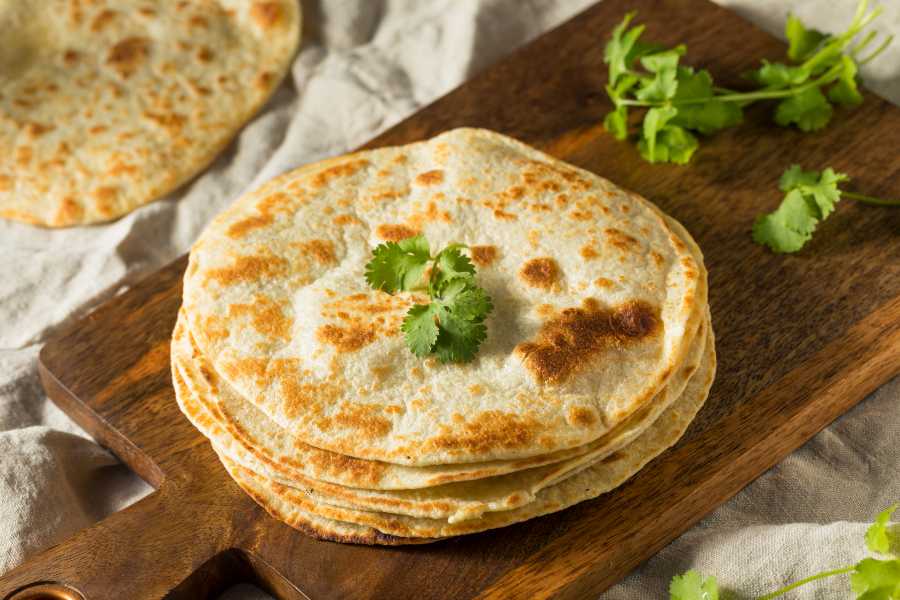
Chapati
Tanzanian Flatbread
Everyday meals, especially with stews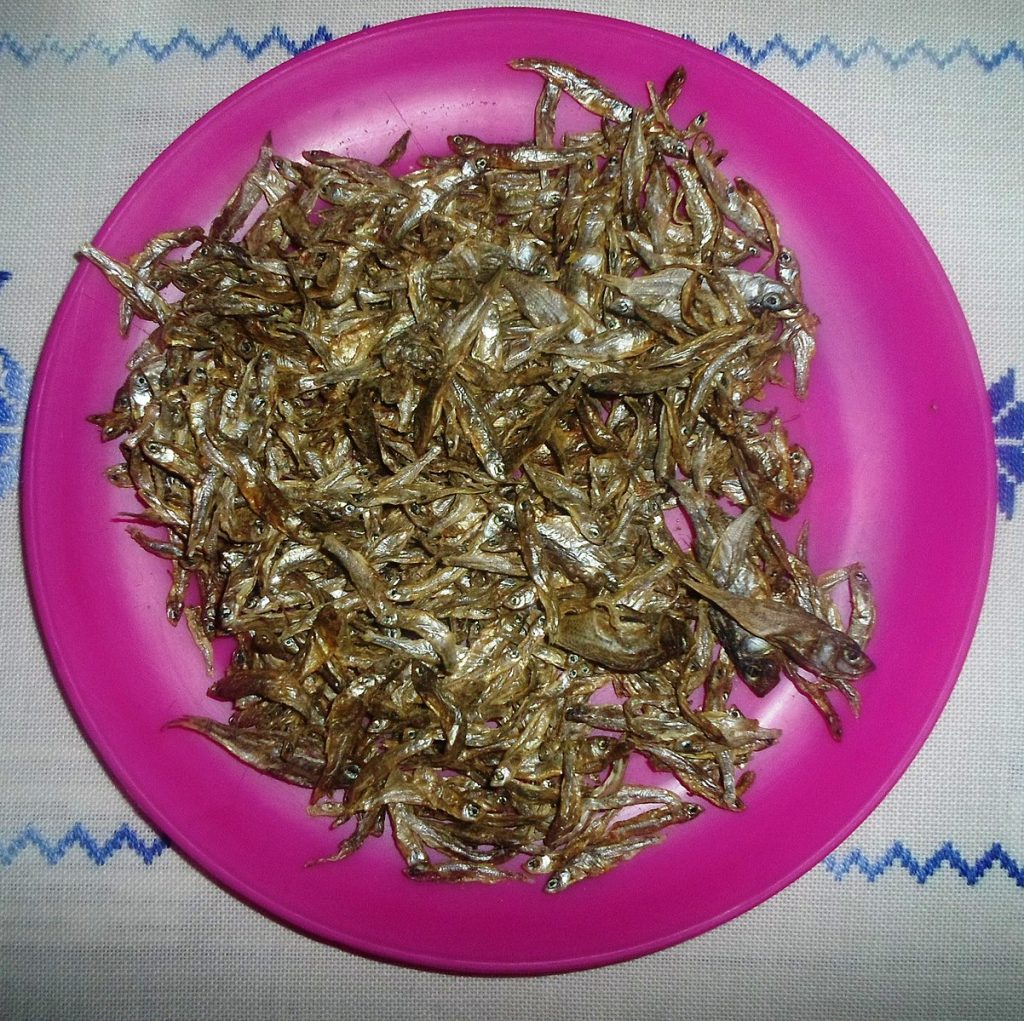 Easy
📜 Story
Easy
📜 Story
Dagaa wa Kukaanga
Fried Silver Sardines
Everyday meals, especially around Lake Victoria Easy
📜 Story
Easy
📜 Story
Kachumbari
Fresh Tomato Onion Salad
Accompaniment to any meal Easy
📜 Story
Easy
📜 Story
Kashata
Coconut Peanut Brittle
Snack and after meals
Comments (0)
Log in to leave a comment.
No comments yet. Be the first to share your thoughts!