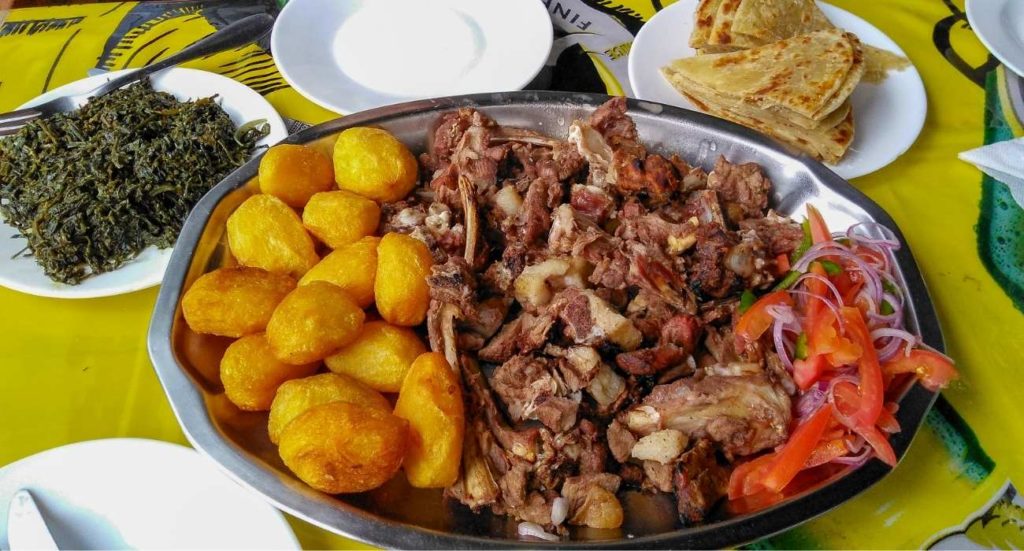
Slow-grilled beef ribs seasoned simply with salt and lime, cooked over charcoal until smokily charred. Tanzanian communal eating at its most satisfying.
Nutrition & Info
Equipment Needed
Presentation Guide
Vessel: wooden cutting board
Garnishes: salt, lime wedges, chili pepper
Accompaniments: ugali, kachumbari
Instructions
-
1
Rinse the beef ribs under cold running water and pat them completely dry with paper towels. Trimming excess surface fat is optional, as some fat helps keep the meat moist during the long grilling process over charcoal.
-
2
Combine the lime juice, coarse salt, black pepper, garlic powder, and paprika in a bowl. Rub this marinade thoroughly into all surfaces of the ribs, working it into any crevices between the bones. Let it marinate for at least one hour.
-
3
Prepare a charcoal grill with medium-low heat by spreading the coals in an even layer and letting them burn down until covered with grey ash. The temperature should be moderate enough to hold your hand fifteen centimetres above the grate for four seconds.
-
4
Brush the grill grate with vegetable oil and place the ribs bone-side down over the coals. Cover the grill loosely if possible and cook for twenty to twenty-five minutes, allowing the bones to act as a natural heat shield for the meat.
-
5
Turn the ribs meat-side down and continue grilling for another twenty to twenty-five minutes. Baste occasionally with any remaining marinade mixed with a tablespoon of oil. The total cooking time should be forty-five to sixty minutes depending on thickness.
-
6
The nyama choma is ready when the exterior develops a dark, slightly charred crust while the interior remains juicy and tender. If you have a thermometer, the internal temperature should reach seventy degrees Celsius for medium doneness.
-
7
Rest the grilled ribs on a cutting board covered loosely with foil for ten minutes before cutting between the bones into individual portions. Serve on a wooden board alongside ugali and a bright, fresh kachumbari salad.
Did You Know?
In Tanzania, nyama choma joints are social gathering places where friends meet, often ordering by the kilo.
Chef's Notes
Equipment Tips
- charcoal grill
- tongs
- sharp knife
Garnishing
salt, lime wedges, chili pepper
Accompaniments
The Story Behind Nyama Choma
The Story: Tanzanian nyama choma, or roasted meat, shares roots with the broader East African tradition of cooking meat over open flames, practiced by pastoral communities including the Maasai, Sukuma, and Chagga for centuries. Tanzanian preparations typically feature goat or beef, seasoned simply with salt, lime juice, and sometimes a marinade of garlic and chili before being grilled over charcoal or wood. The meat is served with ugali, chips (fried potatoes), and kachumbari, a fresh salsa of tomatoes, onions, and cilantro.
On the Calendar: Nyama choma is a weekend and celebration food, central to social gatherings, holidays, and any event where hospitality is expressed through generous portions of grilled meat. In cities like Dar es Salaam and Arusha, nyama choma joints serve as evening gathering places for friends and colleagues.
Then & Now: While the fundamental practice of roasting meat over fire is ancient, the modern Tanzanian nyama choma culture is an urban phenomenon that grew alongside the country's post-independence social life. Today, dedicated grilling establishments range from roadside stands to upscale restaurants.
Legacy: Nyama choma is Tanzania's great social equalizer, a tradition where the quality of the fire, the freshness of the meat, and the company at the table matter more than any formality.
More Tanzanian Dishes
 Medium
📜 Story
Medium
📜 Story
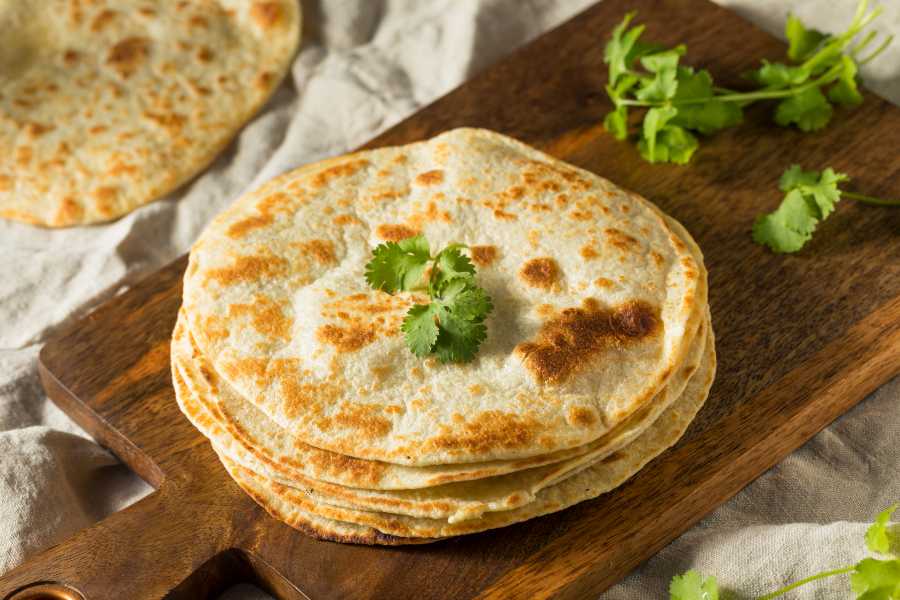
Chapati
Tanzanian Flatbread
Everyday meals, especially with stews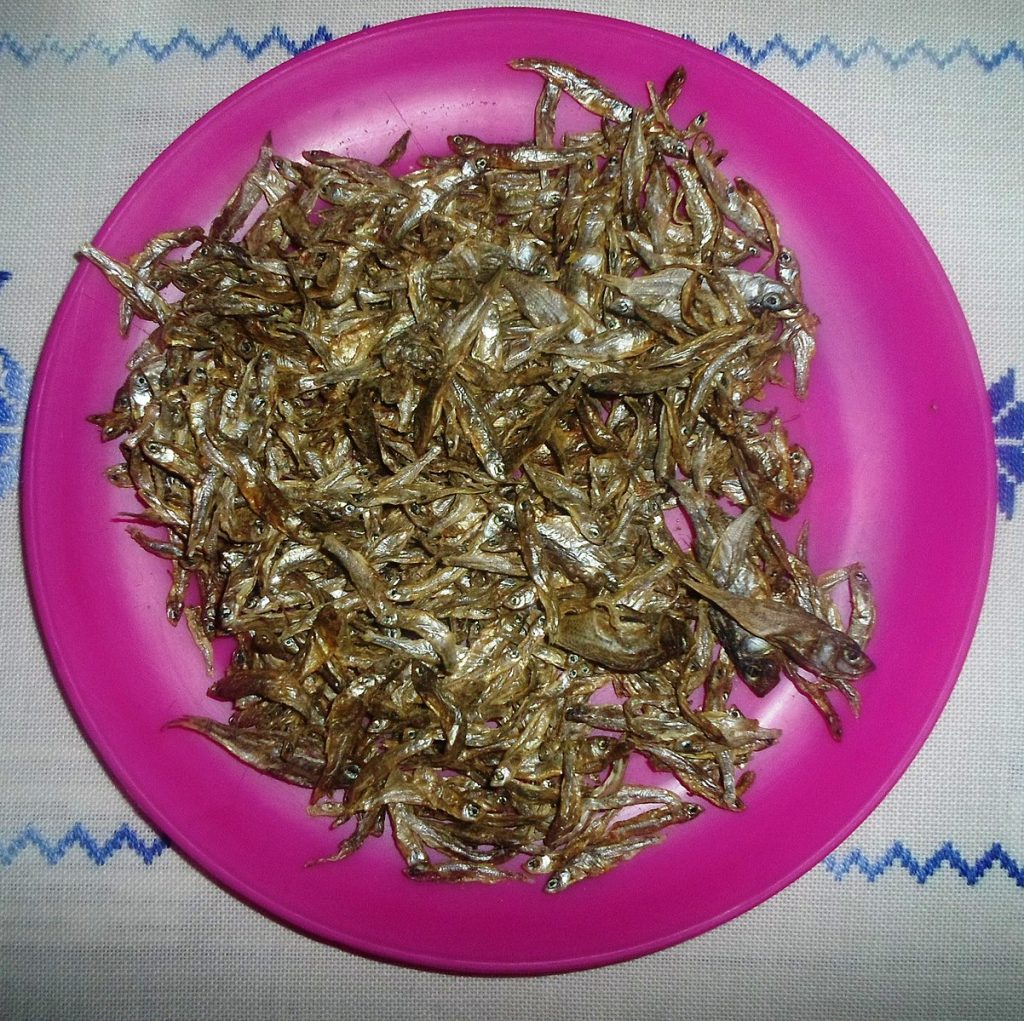 Easy
📜 Story
Easy
📜 Story
Dagaa wa Kukaanga
Fried Silver Sardines
Everyday meals, especially around Lake Victoria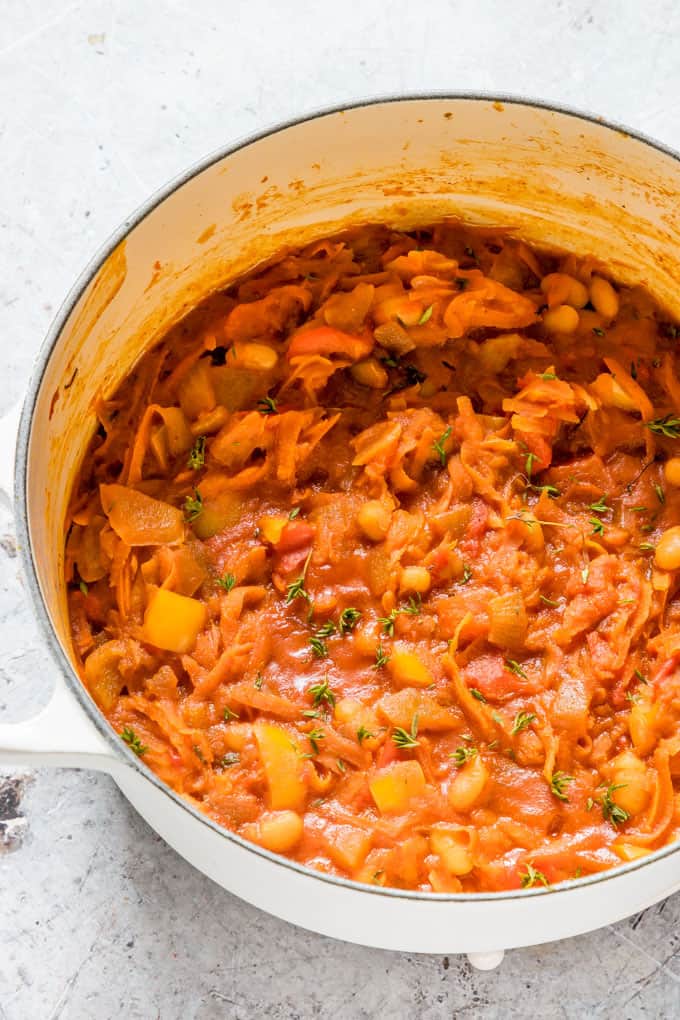 Easy
📜 Story
Easy
📜 Story
Kachumbari
Fresh Tomato Onion Salad
Accompaniment to any meal Easy
📜 Story
Easy
📜 Story
Kashata
Coconut Peanut Brittle
Snack and after meals
Comments (0)
Log in to leave a comment.
No comments yet. Be the first to share your thoughts!